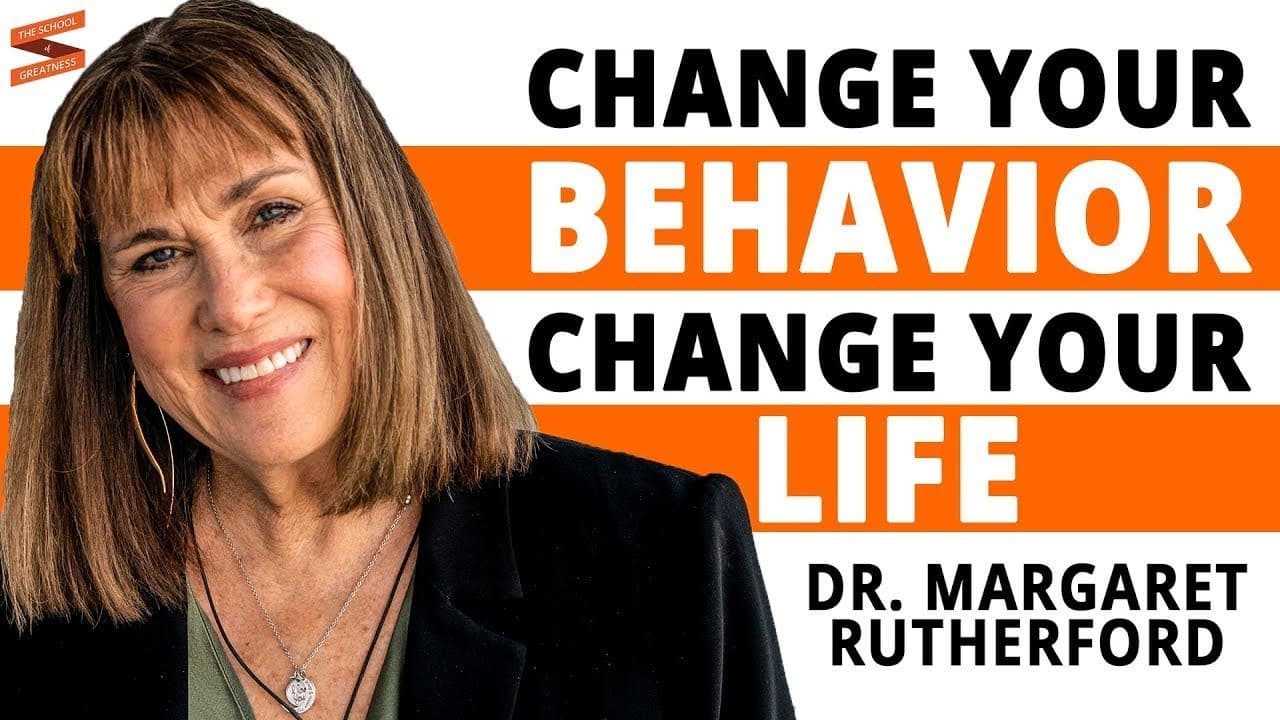
THE #1 WAY To Change Your Life FOR THE BETTER|Dr. Margaret Rutherford & Lewis Howes
TL;DR
Self-acceptance is key in overcoming perfectionism and depression, allowing individuals to embrace their vulnerabilities and strengths.
Transcript
self-acceptance I think no matter what issues you have is a huge key and it's different from self-esteem because self-esteem is something that you that you find or you discover self-acceptance is more it's not resignation it is accepting both your strengths the things that you have a steam about this thing you value but also these vulnerabilities w... Read More
Key Insights
- 🤳 Self-acceptance is essential in combating perfectionism and embracing vulnerabilities to achieve true happiness and fulfillment.
- 🤪 Mental illness often goes unnoticed when individuals are skilled at masking their struggles, making self-awareness and seeking help crucial in identifying and addressing hidden depression.
- 😨 Connection and engagement with others, self-care, and finding a sense of purpose contribute to mental well-being.
- 👻 True change occurs when individuals are committed to understanding and challenging their limiting beliefs and patterns, allowing for growth and healing.
- 🪡 Overcoming depression and perfectionism requires a multifaceted approach, tailored to each individual's unique needs and circumstances.
Install to Summarize YouTube Videos and Get Transcripts
Explore YouTube Video Summarizer or Get YouTube Transcript Extractor
Questions & Answers
Q: How can self-acceptance differ from self-esteem?
Self-acceptance is about embracing both strengths and vulnerabilities, while self-esteem focuses on one's self-worth and value. Self-acceptance allows individuals to acknowledge and validate their emotions and experiences without judgment.
Q: What are some common challenges individuals face in therapy?
People often struggle with self-awareness, learning to be open and vulnerable in therapy, and confronting the underlying beliefs and patterns that contribute to their mental health challenges.
Q: How can perfectionism contribute to mental illness?
Perfectionism often leads to anxiety disorders, OCD, eating disorders, and generalized anxiety. It can create a constant need for control and negatively affect self-esteem, as individuals feel they must meet unrealistic expectations.
Q: How can individuals overcome depression and perfectionism?
Strategies include engaging in self-care, seeking therapy and medication if necessary, cultivating meaningful connections, embracing vulnerability, challenging limiting beliefs, and finding a sense of purpose or something bigger than oneself.
Summary & Key Takeaways
-
Dr. Margaret Rutherford, a clinical psychologist, shares her personal journey from chaotic years to becoming a therapist, emphasizing the importance of self-acceptance and vulnerability.
-
She discusses perfectly hidden depression, a condition where individuals mask their depression with perfectionism, exploring its causes and effects.
-
Dr. Rutherford provides insights into the process of therapy, highlighting the significance of connection, self-awareness, and embracing vulnerability in overcoming mental illness.
Read in Other Languages (beta)
Share This Summary 📚
Summarize YouTube Videos and Get Video Transcripts with 1-Click
Try YouTube Summary with ChatGPT & Claude or YouTube Transcript Generator
Explore More Summaries from Lewis Howes 📚






Summarize YouTube Videos and Get Video Transcripts with 1-Click
Try YouTube Summary with ChatGPT & Claude or YouTube Transcript Generator