How Alcohol Affects Weight Training Results
TL;DR
Alcohol can hinder weight training progress by reducing the body's ability to build muscle and burn fat. While moderate consumption might be manageable, frequent drinking often leads to poor dietary choices and decreased motivation. Avoiding late-night drinking and maintaining a healthy relationship with alcohol can mitigate some negative effects.
Transcript
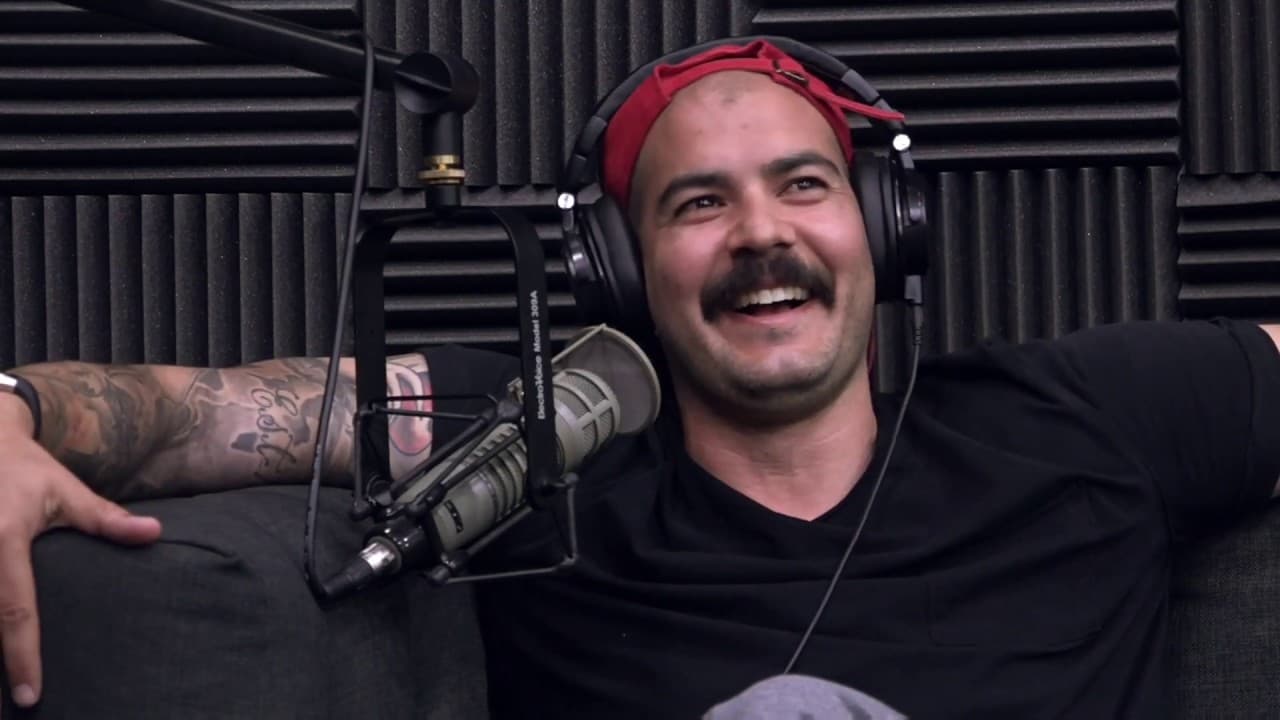
first question is from Zack DP how detrimental is alcohol to weight training how much is too much you know this is a very common question as a trainer that we get all the time right do you guys you guys remember getting this all the time from clients like you know I have this goal but how do i how do I can't get past this point I'm sorry probably n... Read More
Key Insights
- Alcohol reduces the body's ability to build muscle and burn fat.
- Frequent alcohol consumption often leads to poor dietary choices.
- Drinking late at night interferes with sleep, compounding negative effects.
- Moderation and a healthy relationship with alcohol can mitigate its impact.
- Alcohol provides empty calories, offering no nutritional benefits.
- Alcohol lowers inhibitions, increasing the likelihood of overeating.
- Z Biotics can help mitigate hangover symptoms by breaking down acetyl aldehyde.
- Self-awareness is crucial in managing alcohol consumption and maintaining fitness goals.
Install to Summarize YouTube Videos and Get Transcripts
Explore YouTube Video Summarizer or Get YouTube Transcript Extractor
Questions & Answers
Q: How does alcohol affect muscle building?
Alcohol affects muscle building by reducing the body's ability to synthesize protein and adapt to training. It provides empty calories, which can replace necessary nutrients, and often leads to poor dietary choices. Consistent alcohol consumption can hinder progress in muscle growth and overall fitness.
Q: Why is drinking late at night particularly detrimental?
Drinking late at night is detrimental because it disrupts sleep, which is crucial for recovery and muscle growth. Alcohol interferes with sleep cycles, leading to poor rest and recovery. This can compound the negative effects on fitness by reducing motivation and performance in subsequent workouts.
Q: What role does moderation play in alcohol consumption for fitness?
Moderation is key in alcohol consumption for fitness as it allows individuals to enjoy social and cultural aspects of drinking without significantly hindering their fitness goals. A balanced approach helps maintain control over dietary habits and motivation, reducing the negative impact on muscle building and fat loss.
Q: How can Z Biotics help mitigate the effects of alcohol?
Z Biotics help mitigate the effects of alcohol by using genetically engineered bacteria to break down acetyl aldehyde, a harmful by-product of alcohol metabolism. This can reduce symptoms like inflammation, headaches, and poor sleep, commonly associated with hangovers, thus supporting better recovery and fitness performance.
Q: What are the behavioral effects of alcohol on diet?
Alcohol lowers inhibitions, which can lead to poor dietary choices such as overeating or consuming unhealthy foods. This behavior is particularly concerning for those with existing struggles with food, as alcohol can exacerbate these tendencies, hindering progress towards fitness and weight loss goals.
Q: How can self-awareness help in managing alcohol consumption?
Self-awareness helps in managing alcohol consumption by allowing individuals to recognize patterns and triggers that lead to excessive drinking. Understanding personal limits and the impact of alcohol on fitness goals can motivate healthier choices and support a balanced lifestyle that aligns with fitness objectives.
Q: Why are empty calories from alcohol a concern for fitness?
Empty calories from alcohol are a concern for fitness because they provide no nutritional benefit and can replace essential nutrients needed for muscle growth and recovery. Consuming alcohol can make it difficult to meet dietary requirements, thus impeding progress in achieving fitness and weight loss goals.
Q: What is the impact of alcohol on motivation and performance in training?
Alcohol negatively impacts motivation and performance in training by causing fatigue, poor recovery, and decreased energy levels. It can lead to less effective workouts and hinder progress by making individuals less likely to adhere to their training regimen and dietary plans, ultimately affecting fitness outcomes.
Summary & Key Takeaways
-
Alcohol can negatively impact weight training by reducing muscle building and fat burning capabilities. Frequent consumption often leads to poor dietary habits and decreased motivation. Avoiding late-night drinking and maintaining a healthy relationship with alcohol are key to mitigating its effects.
-
The body's ability to process alcohol can be supported by products like Z Biotics, which help break down harmful by-products. However, self-awareness and moderation are essential in preventing alcohol from hindering fitness progress.
-
The empty calories in alcohol provide no nutritional benefit, and its consumption often leads to increased likelihood of overeating due to lowered inhibitions. A mindful approach to drinking can help maintain fitness goals.
Read in Other Languages (beta)
Share This Summary 📚
Summarize YouTube Videos and Get Video Transcripts with 1-Click
Try YouTube Summary with ChatGPT & Claude or YouTube Transcript Generator
Explore More Summaries from Mind Pump Show 📚
Summarize YouTube Videos and Get Video Transcripts with 1-Click
Try YouTube Summary with ChatGPT & Claude or YouTube Transcript Generator