How Did the Republican Party Evolve from Lincoln to Trump?
TL;DR
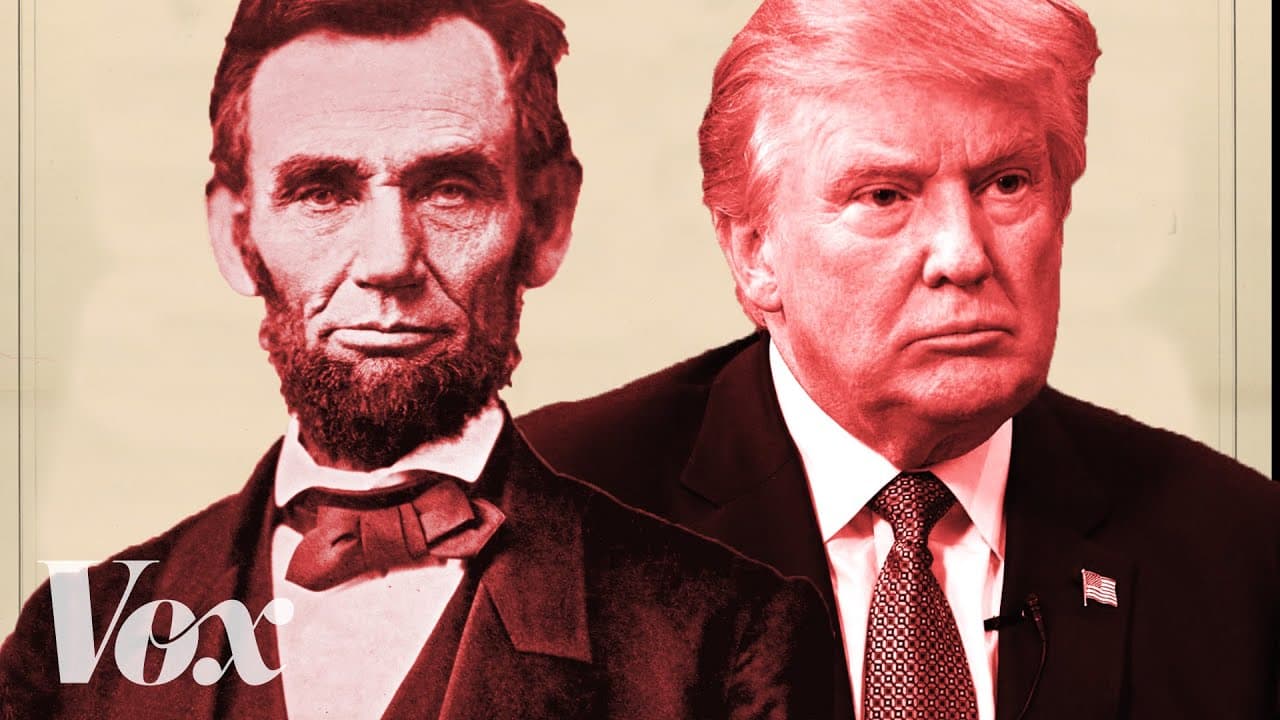
The Republican Party evolved from its origins opposing slavery under Abraham Lincoln to a modern identity characterized by anti-government sentiment and cultural conservatism. Key shifts occurred as the party aligned with big business, lost Black voters to Democrats, and saw a rise in populism with figures like Donald Trump, reflecting ongoing divisions and challenges in a diverse political landscape.
Transcript
Today’s Republican Party opposes big government. It’s culturally conservative. Its demographic support is strongest among white voters, and it usually dominates elections in the South. And its 2016 presidential nominee has been heavily criticized for inciting racial tensions. But things weren’t always this way. Yet over the past 160 or so years, th... Read More
Key Insights
- The Republican Party was founded in 1854 by former Whigs in the North who opposed the expansion of slavery in new states. This marked the beginning of the party's long evolution.
- Abraham Lincoln, the first Republican president, won the presidency in 1860 and led the country through the Civil War, resulting in a Northern victory and the abolition of slavery.
- Post-Civil War, the Republican Party initially fought for the rights of freedmen in the South but gradually shifted focus to align with wealthy industrialists' interests.
- By the 1920s, the Republican Party had become associated with big business, which benefited them during economic booms but hurt them during the Great Depression.
- The civil rights movement in the 50s and 60s caused a regional shift, with Southern white voters moving to the GOP and Black voters aligning with Democrats.
- The Republican Party's opposition to big government solidified during the New Deal era, a stance that continues to define the party today.
- Demographic shifts and immigration debates in the 21st century have further transformed the party, with tensions around immigration policies becoming a focal point.
- Donald Trump's candidacy in 2016 highlighted divisions within the party and the growing influence of populist and anti-establishment sentiments among Republican voters.
Install to Summarize YouTube Videos and Get Transcripts
Explore YouTube Video Summarizer or Get YouTube Transcript Extractor
Questions & Answers
Q: How did the Republican Party originate?
The Republican Party was founded in 1854 by former Northern Whigs who opposed the expansion of slavery into new states. This group formed in response to the collapse of the Whig Party, which was divided on the slavery issue. The new party aimed to prevent the spread of slavery and promote economic opportunities for free white workers.
Q: What role did Abraham Lincoln play in the Republican Party's history?
Abraham Lincoln was the first Republican president, elected in 1860. His presidency was marked by the Civil War, during which he led the Northern states to victory, resulting in the abolition of slavery. Lincoln's leadership solidified the Republican Party's early identity as a force against slavery and for union preservation.
Q: How did the Republican Party's focus shift post-Civil War?
After the Civil War, the Republican Party initially fought for the rights of freedmen in the South. However, as Northern businessmen and industrialists gained influence within the party, the focus shifted towards economic interests and maintaining power. This led to a deprioritization of racial reforms and a retreat from Southern reconstruction efforts.
Q: What impact did the Great Depression have on the Republican Party?
The Great Depression had a significant impact on the Republican Party, which had become associated with big business by the 1920s. As the economy crashed in 1929, the party's opposition to government intervention was challenged, leading to the rise of Franklin D. Roosevelt and the Democrats who expanded federal government roles to combat the economic crisis.
Q: How did the civil rights movement affect the Republican Party?
The civil rights movement of the 50s and 60s prompted a major realignment in American politics. While civil rights were supported by Northerners from both parties, Southern whites, who traditionally voted Democrat, began shifting to the Republican Party in opposition to federal civil rights interventions. This shift contributed to the GOP's dominance in the South.
Q: What role did immigration debates play in shaping the modern GOP?
Immigration debates have played a crucial role in shaping the modern Republican Party. As America experienced demographic shifts due to Hispanic immigration, the GOP faced internal divisions. While some leaders advocated for reform, a significant portion of the party's base opposed policies perceived as amnesty, fueling populist and anti-immigrant sentiments.
Q: How did Donald Trump's candidacy affect the Republican Party?
Donald Trump's candidacy in 2016 highlighted existing divisions within the Republican Party. His outsider status, populist rhetoric, and focus on immigration resonated with many Republican voters who felt disconnected from party elites. Trump's rise signaled a shift towards a more populist and nationalist approach, challenging traditional GOP leadership.
Q: What challenges does the Republican Party face in the 21st century?
The Republican Party faces several challenges in the 21st century, including addressing demographic changes, internal divisions, and evolving political landscapes. As America becomes more diverse, the GOP must navigate its identity and policies to appeal beyond its traditional white voter base while balancing populist and establishment factions within the party.
Summary & Key Takeaways
-
The Republican Party originated in 1854 as a response to the pro-slavery stance of the Democrats and quickly rose to prominence with Abraham Lincoln's presidency. Over the years, the party shifted from a focus on civil rights to aligning with business interests.
-
By the mid-20th century, civil rights issues and demographic changes led to a regional realignment, with Southern whites moving to the GOP and Black voters shifting to the Democrats. This period marked the party's transformation into a culturally conservative, anti-big government entity.
-
In recent years, immigration debates and the rise of populist figures like Donald Trump have further shaped the Republican Party's identity, highlighting internal divisions and challenges in addressing the political landscape of an increasingly diverse America.
Read in Other Languages (beta)
Share This Summary 📚
Summarize YouTube Videos and Get Video Transcripts with 1-Click
Try YouTube Summary with ChatGPT & Claude or YouTube Transcript Generator
Explore More Summaries from Vox 📚

Summarize YouTube Videos and Get Video Transcripts with 1-Click
Try YouTube Summary with ChatGPT & Claude or YouTube Transcript Generator