Soft Body Wiggles And Jiggles…Effortlessly! 🐘
TL;DR
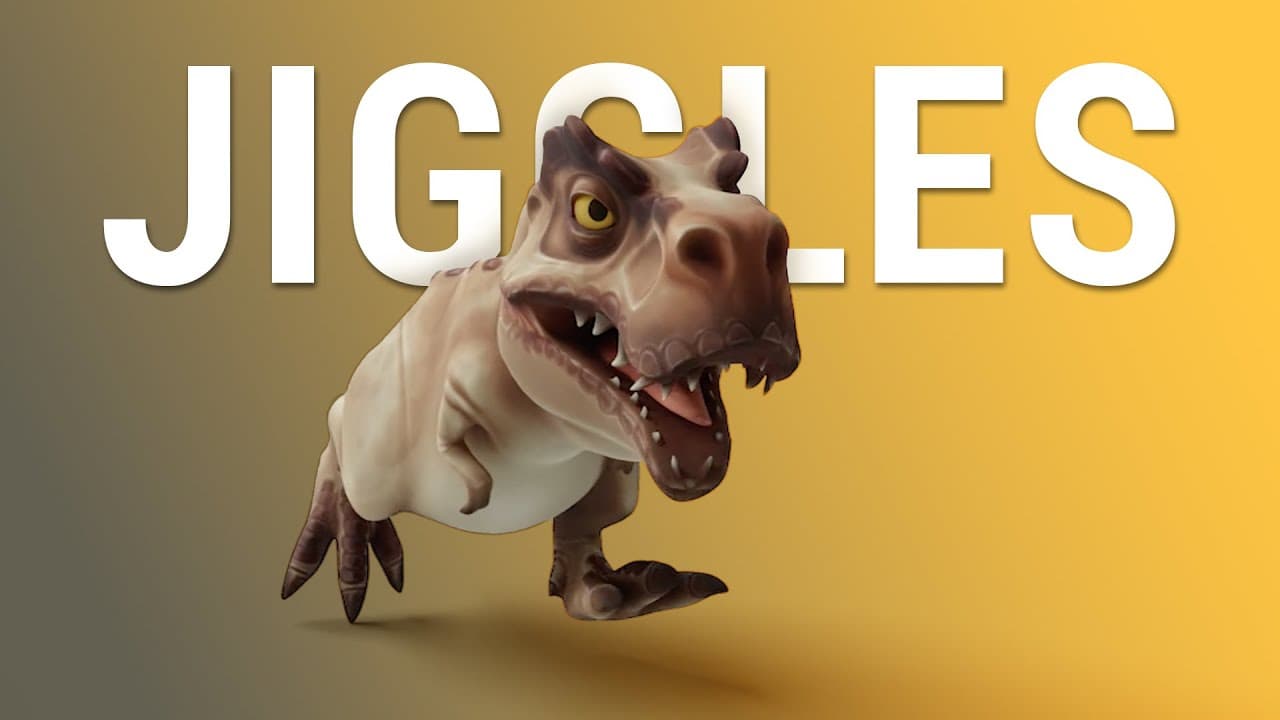
New technique adds elastoplastic secondary effects to rigged animations, creating realistic and dynamic movements.
Transcript
Dear Fellow Scholars, this is Two Minute Papers with Dr. Károly Zsolnai-Fehér. I hope you like wiggles and jiggles, because today… we are going to a see a lot of them. You see, this technique promises to imbue a rigged animation with elastoplastic secondary effects. Now, if you tell this to a computer graphics researcher, they will be extremely hap... Read More
Key Insights
- ☠️ Rigging in animation defines bone and joint placement for realistic movement.
- 🖤 Traditional animation methods lack realistic deformation and response to external forces.
- 👶 The new technique enhances animations with elastoplastic secondary effects, improving realism and dynamic movements.
- ⌛ It simplifies the animation process by offering real-time animation without elaborate physics simulations.
- 👶 Artists gain more control and flexibility in creating animations with the new technique.
- 🗯️ Various rigged models can benefit from the new technique, increasing usability and versatility.
- 👶 The new technique is a significant advancement in adding elastic behavior to animations, making it more accessible and efficient.
Install to Summarize YouTube Videos and Get Transcripts
Explore YouTube Video Summarizer or Get YouTube Transcript Extractor
Questions & Answers
Q: What is rigging in animation, and why is it essential?
Rigging involves setting up bone and joint structures in a 3D model for movement, crucial for creating realistic animations by defining how the model deforms and moves.
Q: How does the new technique improve traditional animation methods?
The new technique adds elastoplastic secondary effects, giving animations dynamic and realistic movements, enhancing realism and responsiveness to external forces.
Q: What are the advantages of using the new technique for animation?
The new technique allows for more natural deformation, real-time animation, and works with various rigged models, offering artists more control and flexibility in creating animations.
Q: How does the new technique simplify the animation process?
Unlike traditional methods requiring complex physics simulations, the new technique adds elastic behavior without extensive computational resources, making it more accessible and efficient for animators.
Summary & Key Takeaways
-
Rigging in animation involves specifying bone and joint locations in a 3D model for movement.
-
Traditional animation methods lack realistic deformation and response to external forces.
-
The new technique enhances animations with elastic movements and requires less computational resources.
Read in Other Languages (beta)
Share This Summary 📚
Summarize YouTube Videos and Get Video Transcripts with 1-Click
Try YouTube Summary with ChatGPT & Claude or YouTube Transcript Generator
Explore More Summaries from Two Minute Papers 📚



Summarize YouTube Videos and Get Video Transcripts with 1-Click
Try YouTube Summary with ChatGPT & Claude or YouTube Transcript Generator