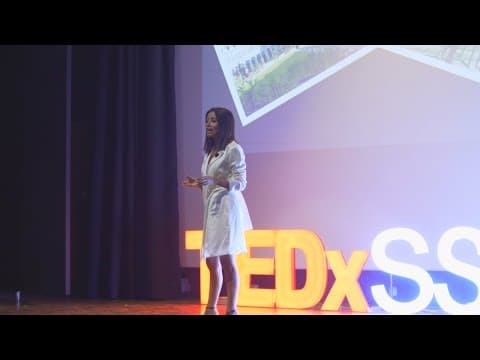
Japanese education's impact on individual identity | Lisa Hawes | TEDxYouth@CanadianAcademy
TL;DR
Japanese education emphasizes conformity, hindering individual identity development compared to international schooling.
Transcript
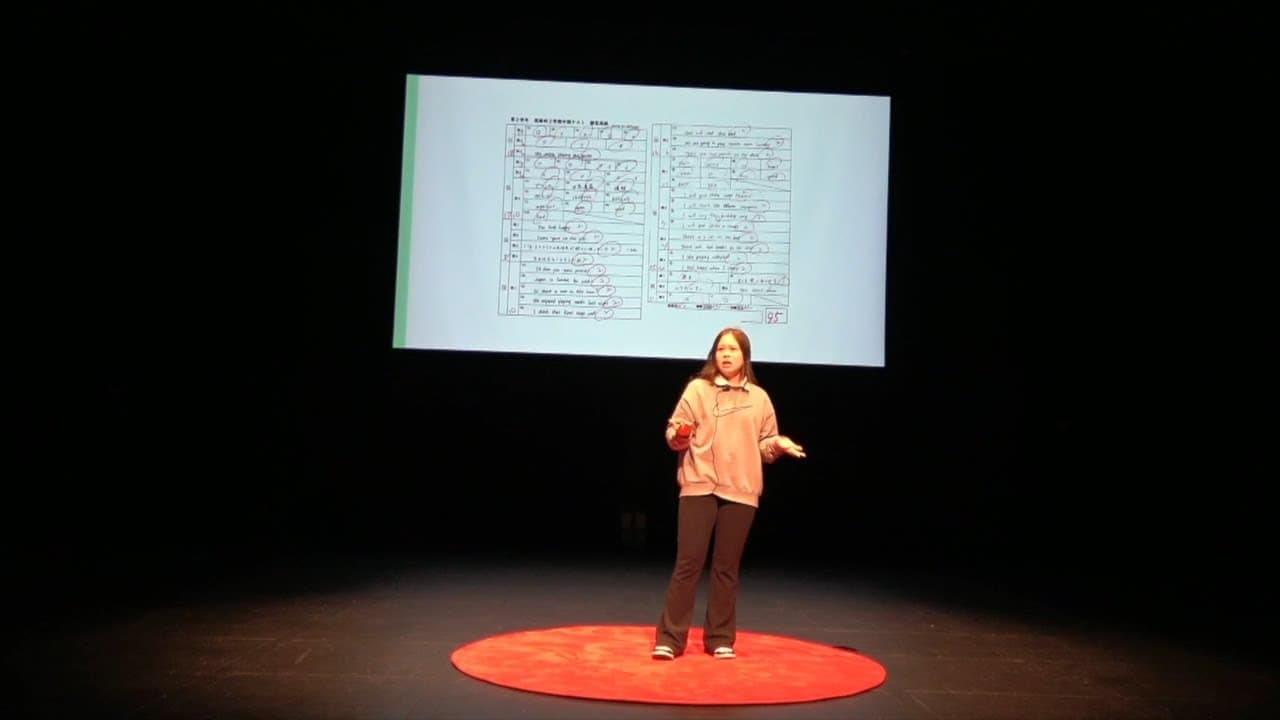
hi I'm Lisa and I'm going to be talking about how Japanese education affects identity of Japanese individuals have you ever wondered is the sty of Education I'm learning right now affecting my future self as an individual who has experienced both Japanese and international school style education I wonder what kind of human being I would have been i... Read More
Key Insights
- 🤔 Japanese education often leads to a culture of conformity, restricting personal expression and the development of critical thinking skills.
- 👹 There is a significant gap in political engagement among Japanese youth compared to other countries, largely due to educational practices that discourage individual opinions.
- 😘 The emphasis on rote learning in Japan results in low self-confidence and difficulties in communication, particularly in English, limiting global interactions.
- 🥵 Japanese school lunches promote healthy eating habits through involvement and responsibility, setting a precedent in nutritional education.
- 🤕 Collaborative cleaning practices in Japanese schools instill a sense of responsibility and civic pride in students from a young age.
- 👹 Despite some strengths, Japanese educational approaches may lack global perspectives necessary for fostering independent, innovative thinkers.
- 🧑🎓 International students are drastically underrepresented in Japan compared to countries like Korea, which indicates a potential area for improvement in educational policies.
Install to Summarize YouTube Videos and Get Transcripts
Explore YouTube Video Summarizer or Get YouTube Transcript Extractor
Questions & Answers
Q: How does Japanese education hinder critical thinking among students?
Japanese education often emphasizes rote memorization and teaches students to view concepts through a binary lens of right and wrong. This limits exploration and critical thinking, as students are less encouraged to question norms or express diverse opinions. In contrast, international education systems often utilize methods like Socratic seminars that promote open discussions and the exchange of differing perspectives, fostering a more analytical mindset.
Q: What is the significance of the "three eyes" concept in Japanese education?
The "three eyes" refers to Independence, instruction of English education, and internationality. These elements highlight the areas where Japanese education falls short. Independence is undermined by rigid classroom structures, while English instruction often lacks real-world application, leading to poor communication skills. Lastly, a lack of international exposure contributes to limited perspectives, ultimately impeding students' ability to navigate a globalized world effectively.
Q: How do Japanese school lunches and cleaning habits benefit students?
Japanese school lunches are designed with nutritional guidelines from professional nutritionists, promoting healthy eating habits. Students actively participate in preparing and cleaning up, which teaches responsibility and teamwork. This approach reduces food waste and fosters respect for meals. Additionally, the culture surrounding cleanliness instills a sense of civic duty, as students regularly engage in cleaning their environment, resulting in a widely recognized cleanliness in Japanese public spaces.
Q: What are the implications of low political engagement among Japanese youth?
The low political engagement in Japan, exemplified by a voting turnout of just 52%, reflects a broader issue of student disempowerment in educational contexts. The belief that individual action holds little impact on society stems from an education system that discourages independent thinking. In contrast, countries with higher political involvement provide platforms for youth to express views and contribute to discussions, fostering a culture of civic engagement from a young age.
Summary & Key Takeaways
-
Lisa discusses how Japanese educational practices, which prioritize rote memorization, limit students’ ability for critical thinking and expressing individual opinions, resulting in diminished self-confidence.
-
The decline in political engagement among Japanese youth is attributed to a lack of encouragement towards independent thought and voting, contrasting with countries like Denmark, which foster youth participation in democracy from an early age.
-
Japanese education excels in providing healthy meals and promoting cleanliness, instilling responsibility and teamwork in students, yet lacks emphasis on fostering independent, global-minded individuals through language instruction and exposure to diverse perspectives.
Read in Other Languages (beta)
Share This Summary 📚
Summarize YouTube Videos and Get Video Transcripts with 1-Click
Try YouTube Summary with ChatGPT & Claude or YouTube Transcript Generator
Explore More Summaries from TEDx Talks 📚


Summarize YouTube Videos and Get Video Transcripts with 1-Click
Try YouTube Summary with ChatGPT & Claude or YouTube Transcript Generator