Digging Up a Dinosaur Graveyard | National Geographic
TL;DR
Paleontologists in China's Gobi Desert discover new dinosaur species buried in volcanic ash and evidence of a prehistoric catastrophe.
Transcript
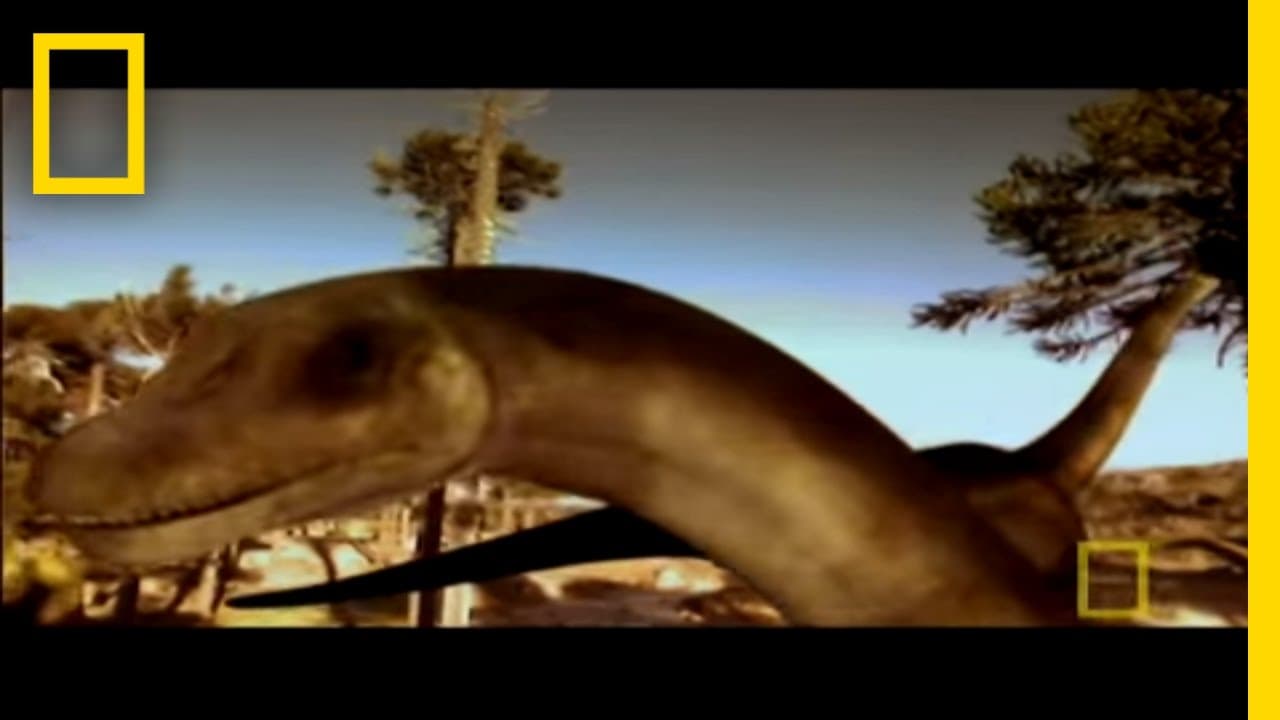
China's Gobi Desert a vast rugged landscape scoured by eons of erosion here paleontologists are uncovering fascinating new portals to a dino Golden Age we targeted this area because it's a really important time period right when the dinosaurs started to radiate and become big the scientists are astounded by the breadth of their discoveries several ... Read More
Key Insights
- 🦕 China's Gobi Desert is a crucial site for paleontologists, offering a glimpse into a prehistoric dinosaur Golden Age.
- 🦕 Unearthing new dinosaur species in the Gobi Desert sheds light on the evolution and diversity of dinosaurs during a significant time period.
- 🦕 Multiple skeletons found in Dino graves in the Gobi Desert indicate evidence of a catastrophic event that affected these dinosaurs.
- ☠️ Signs of struggle, broken bones, and contorted poses in the dinosaur skeletons reveal a fierce struggle for survival in the Gobi Desert.
- 😎 Volcanic ash and glass particles found in the Gobi Desert point towards a volcanic eruption in the region, creating mud traps for dinosaurs.
- 🦕 The presence of ancient marshlands in the Gobi Desert suggests a habitat where dinosaurs thrived but also fell victim to hazardous conditions caused by volcanic activity.
- 🥺 The discovery of Dino graves with multiple skeletons preserved in layers of mud indicates a sudden catastrophe that led to the demise of these dinosaurs.
Install to Summarize YouTube Videos and Get Transcripts
Explore YouTube Video Summarizer or Get YouTube Transcript Extractor
Questions & Answers
Q: What makes China's Gobi Desert an important site for paleontologists?
China's Gobi Desert offers a rich source of dinosaur fossils, with new species and evidence of ancient catastrophes being unearthed by paleontologists, making it a crucial location for understanding prehistoric life.
Q: How do the multiple skeletons found in Dino graves provide insight into a historic disaster?
The multiple skeletons found in Dino graves with signs of struggle suggest a catastrophic event, possibly caused by volcanic activity, leading to the demise of these dinosaurs, leaving them preserved in layers of mud.
Q: What evidence supports the theory of volcanic ash and mud traps in the prehistoric marshlands?
Analysis of fossilized soil samples revealing volcanic ash and glass particles in the marshlands of the Gobi Desert supports the theory of dinosaurs getting trapped in viscous mud formed by volcanic eruptions, becoming prey to predators.
Q: How did the volcanic ash create perilous conditions for dinosaurs in the Gobi Desert?
The volcanic ash in the marshlands created a thick, soupy mud that was sticky and dangerous for dinosaurs. Predators and potential prey alike could get trapped in this quick mud, turning the area into deadly Dino death traps.
Summary & Key Takeaways
-
China's Gobi Desert is a treasure trove for paleontologists, revealing new dinosaur species and evidence of ancient catastrophes.
-
Multiple skeletons found in Dino graves show signs of struggle, indicating a mysterious prehistoric catastrophe possibly caused by volcanic activity.
-
The area was once vast marshlands with volcanic ash creating mud traps where dinosaurs met their demise.
Read in Other Languages (beta)
Share This Summary 📚
Summarize YouTube Videos and Get Video Transcripts with 1-Click
Try YouTube Summary with ChatGPT & Claude or YouTube Transcript Generator
Explore More Summaries from National Geographic 📚





Summarize YouTube Videos and Get Video Transcripts with 1-Click
Try YouTube Summary with ChatGPT & Claude or YouTube Transcript Generator