How Did People in Medieval Times Actually Siege a Castle in Reality
TL;DR
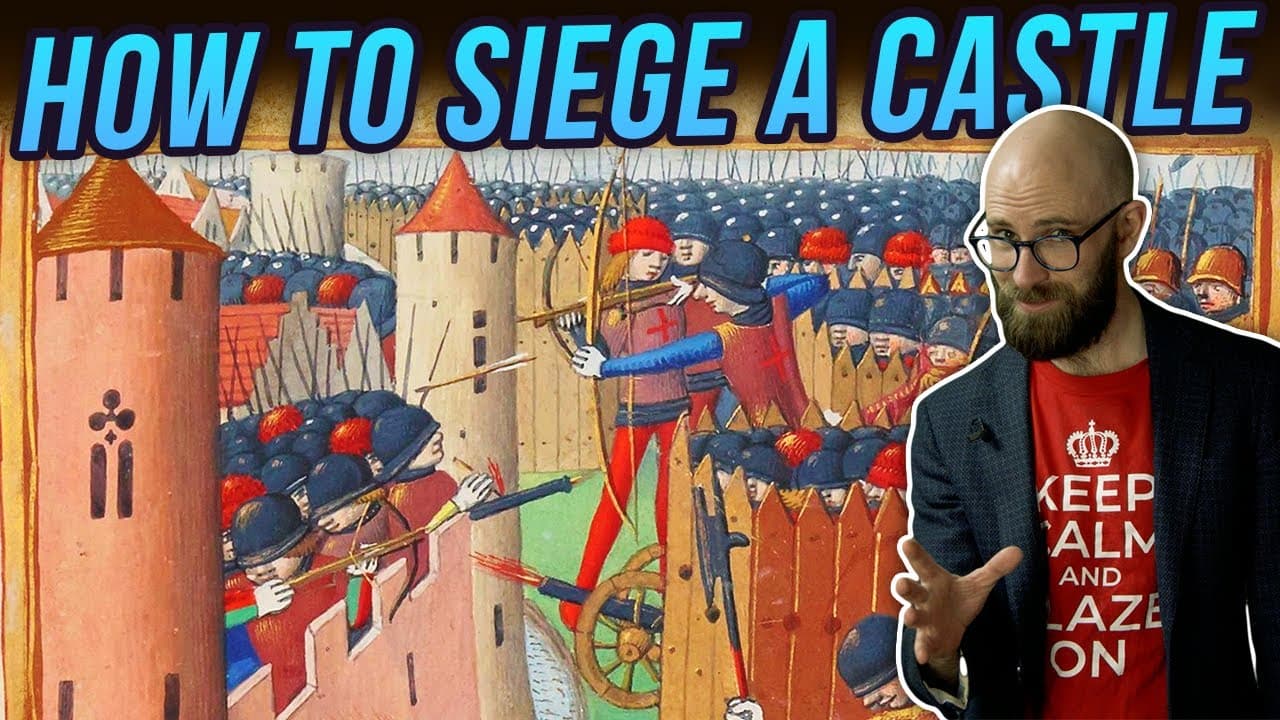
Medieval siege tactics involved negotiation, psychological warfare, and careful planning due to the difficulty of capturing well-built castles.
Transcript
just before we get started today I want to tell you about a service that you've probably never heard of before Squarespace just kidding everyone knows Squarespace you've heard me talk about it you've heard all the other people on YouTube talk about it that's because as well as all the advertising it is genuinely the best place to build a website in... Read More
Key Insights
- 🥺 Castles were extremely difficult to capture by force, leading to negotiations and surrenders being common outcomes of sieges.
- 🤩 Planning and administration played a crucial role in the success of a siege, with supplies, manpower, and engineers being key considerations.
- 🏯 Siege engines, such as trebuchets and battering rams, were used to breach castle walls, but their effectiveness varied depending on factors like accuracy and defensive measures implemented by castle occupants.
- 💦 Moats, while not always filled with water, served as effective defensive barriers against both physical attacks and tunneling attempts.
- 👰♀️ Psychological warfare, such as throwing disease-ridden carcasses into castles, was a strategy used to demoralize and weaken the enemy.
- 🌸 Negotiations and diplomatic approaches were often favored over direct assaults due to the cost, difficulty, and potential loss of life associated with capturing castles by force.
Install to Summarize YouTube Videos and Get Transcripts
Explore YouTube Video Summarizer or Get YouTube Transcript Extractor
Questions & Answers
Q: Why were negotiations and diplomatic approaches more common in medieval sieges than direct assaults?
The difficulty and cost of capturing well-fortified castles made negotiations a more feasible option, as they could conserve resources and prevent unnecessary loss of life.
Q: What were some defensive measures used by castle occupants during a siege?
Castle occupants used strategies such as moats, stinging bushes, and dropping disease-ridden animal carcasses over the walls to deter attackers.
Q: How were siege engines like trebuchets and ballistas utilized during medieval sieges?
Siege engines were used to hurl projectiles, such as stones or bolts, at castle walls to weaken or breach them. They played a crucial role in wearing down defenses but required extensive resources and skilled engineers to operate effectively.
Q: Were castles ever successfully breached by force during medieval sieges?
While rare, castles were occasionally breached by force through techniques like tunneling, battering rams, or overwhelming numbers. However, negotiations and surrenders were more common outcomes.
Summary & Key Takeaways
-
Castles were difficult to capture, and most sieges ended with negotiations rather than direct assaults.
-
Successful sieges relied on careful administration, strategic planning, and sufficient supplies for the attacking force.
-
Siege engines, such as trebuchets and battering rams, were used to breach castle walls, but their effectiveness varied.
Read in Other Languages (beta)
Share This Summary 📚
Summarize YouTube Videos and Get Video Transcripts with 1-Click
Try YouTube Summary with ChatGPT & Claude or YouTube Transcript Generator
Explore More Summaries from Today I Found Out 📚






Summarize YouTube Videos and Get Video Transcripts with 1-Click
Try YouTube Summary with ChatGPT & Claude or YouTube Transcript Generator