How to Optimize Training Volume for Muscle Growth

TL;DR
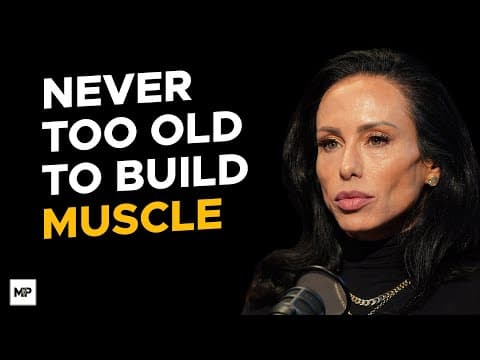
To maintain muscle, you don't need the same high training volume required to build it initially. Long-term muscle retention is easier once built, and reducing volume can sometimes even enhance muscle growth if initial training was excessive. Consistency over time solidifies muscle gains.
Transcript
if you want to pump your body and expand your mind there's only one place to go mind with your hosts Sal de Stefano Adam Schaefer and Justin Andrews in this super special announcement version who Easter eggs in here of mine pump so for the first 45 minutes we don't talk a whole lot about fitness but we do our fun introductory part of the episode co... Read More
Key Insights
- Maintaining muscle requires less volume than initially needed to build it.
- Long-term muscle retention is easier after years of consistent training.
- Reducing excessive training volume can sometimes lead to better muscle growth.
- Consistency over time solidifies muscle gains, even with reduced volume.
- Behavior change in clients is best achieved through small, realistic steps.
- Epiphanies are rare; slow, incremental changes are more sustainable.
- Effective sales in personal training involve listening and understanding client needs.
- Confidence and clear communication are crucial in closing training deals.
Install to Summarize YouTube Videos and Get Transcripts
Explore YouTube Video Summarizer or Get YouTube Transcript Extractor
Questions & Answers
Q: How does training volume affect muscle maintenance?
Once muscle mass is built, maintaining it requires less training volume than was needed to build it initially. Over time, the body adapts, making it easier to retain muscle with reduced volume. Consistency in training solidifies these gains, allowing for muscle retention even when training intensity decreases.
Q: What is the best way to change a client's long-term behavior?
The most effective way to change a client's long-term behavior is through small, realistic steps that build upon each other. This approach helps clients gradually adopt new habits, building confidence and ensuring sustainable progress. Sudden, drastic changes are less likely to be maintained.
Q: What role does client assessment play in personal training?
Client assessments are crucial in personal training as they help identify individual needs, goals, and limitations. Through assessments, trainers can tailor exercise plans to address specific issues, demonstrate value, and set realistic expectations, which are key to achieving long-term success and client satisfaction.
Q: How important is confidence in closing a personal training deal?
Confidence is vital in closing a personal training deal. Clients are more likely to trust and commit to a trainer who communicates clearly and confidently. Demonstrating expertise and understanding client needs builds trust, making it easier to secure their commitment to a training program.
Q: What is hyperplasia in muscle growth?
Hyperplasia is the increase in the number of muscle fibers, which can occur alongside hypertrophy, the enlargement of existing fibers. While hypertrophy can reverse with inactivity, hyperplasia may contribute to long-term muscle retention, as new fibers remain even if they shrink with disuse.
Q: Why might reducing training volume enhance muscle growth?
Reducing training volume can enhance muscle growth if initial training was excessive. Overtraining can lead to fatigue and hinder progress. By reducing volume, the body recovers better, allowing for more effective workouts and muscle adaptations, ultimately leading to improved growth.
Q: How can trainers help clients set realistic expectations?
Trainers can help clients set realistic expectations by discussing the gradual nature of behavior change and focusing on small, achievable goals. This approach builds confidence and ensures clients understand that sustainable progress takes time, reducing the likelihood of discouragement and dropout.
Q: What is the role of small wins in client progress?
Small wins play a crucial role in client progress by building confidence and reinforcing positive behavior changes. Celebrating these incremental achievements helps clients stay motivated and committed to their fitness journey, ultimately leading to more significant, long-term success.
Summary & Key Takeaways
-
Maintaining muscle mass requires less training volume than initially needed to build it. Long-term retention becomes easier with consistent training over the years, allowing for reduced volume without significant muscle loss.
-
Effective behavior change in clients involves setting realistic, incremental goals rather than expecting sudden transformations. This approach builds confidence and ensures sustainable progress.
-
Successful personal training sales hinge on understanding client needs and demonstrating value through assessments and tailored exercise plans. Confidence in communication is key to closing deals.
Read in Other Languages (beta)
Share This Summary 📚
Summarize YouTube Videos and Get Video Transcripts with 1-Click
Try YouTube Summary with ChatGPT & Claude or YouTube Transcript Generator
Explore More Summaries from Mind Pump Show 📚





Summarize YouTube Videos and Get Video Transcripts with 1-Click
Try YouTube Summary with ChatGPT & Claude or YouTube Transcript Generator