How to Implement Neural Networks on FPGA Efficiently
TL;DR
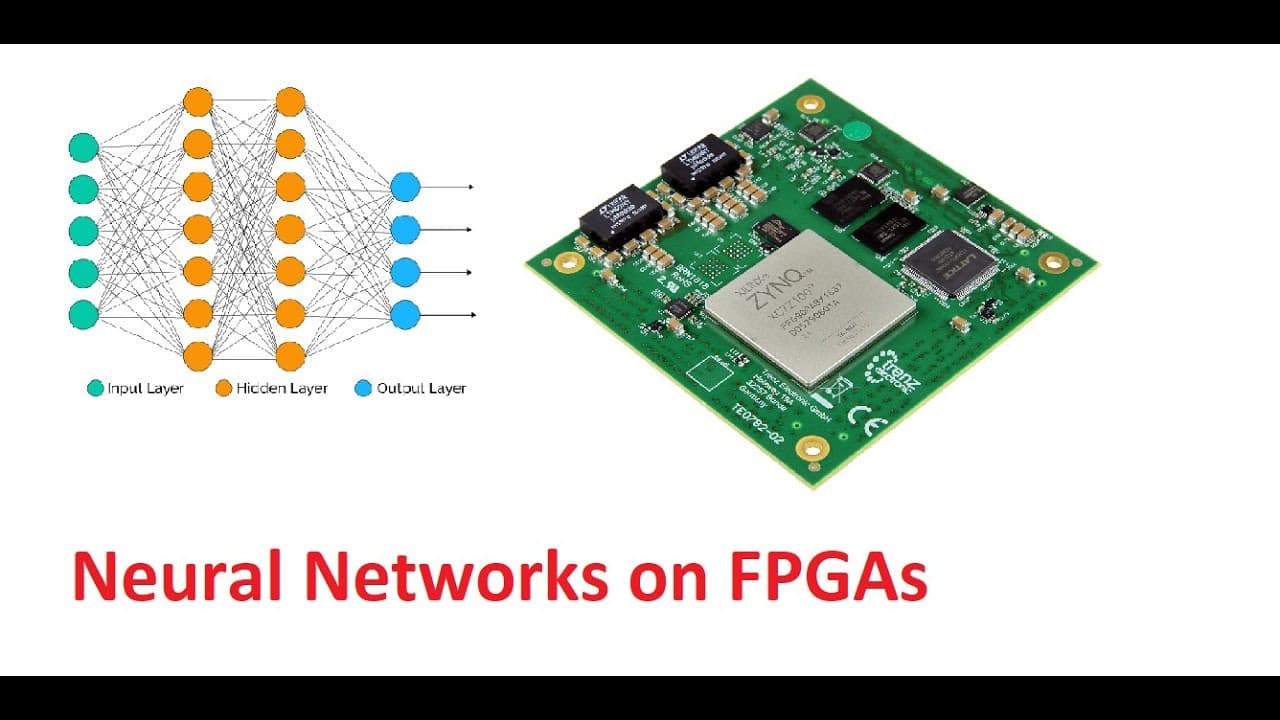
To implement neural networks on FPGA efficiently, use pre-trained networks to optimize resource utilization and enable real-time performance. Choose fixed-point number representation over floating-point to balance accuracy and resource consumption, and utilize lookup tables for nonlinear activation functions instead of relying on signed IP codes for greater flexibility.
Transcript
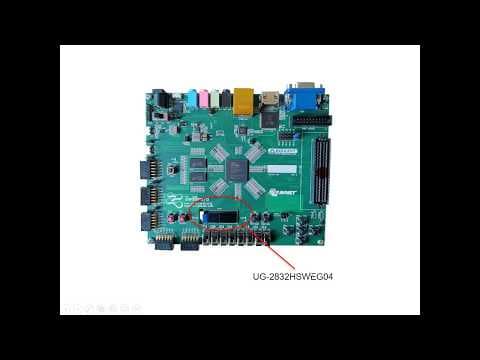
or so in the next few tutorial we will be discussing about implementation of neural networks on FPGAs and specifically on the zinc platform I am NOT going to discuss the basics of neural network I hope many of you know about it those who do not know about that maybe you can visit some tutorial especially this website is quite good one neural networ... Read More
Key Insights
- 😑 Hardware implementation of neural networks on FPGAs often utilizes pre-trained networks for real-time performance.
- 😥 Fixed-point number representation is preferred over floating-point for neural network hardware implementation due to resource efficiency and acceptable accuracy loss.
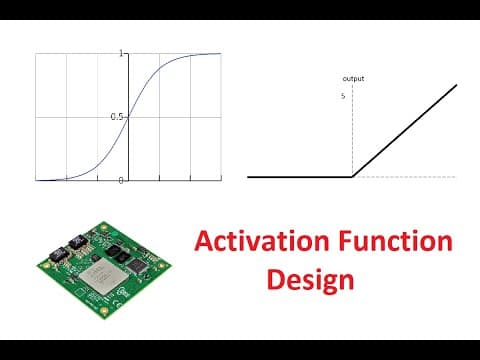
- 🚰 Lookup tables are commonly used to implement nonlinear activation functions efficiently in hardware.
- 🤐 IP codes are not used directly in neural network FPGA implementation to maintain flexibility and portability.
Install to Summarize YouTube Videos and Get Transcripts
Explore YouTube Video Summarizer or Get YouTube Transcript Extractor
Questions & Answers
Q: Why is it common to use pre-trained networks for hardware implementation?
Pre-trained networks are used in hardware implementation because training a network in hardware requires significant resources, is complex, and often needs to be done only once. Implementing pre-trained networks in hardware allows for real-time performance and resource efficiency.
Q: What is the difference between a fully connected neural network and a recurrent neural network?
In a fully connected neural network, each neuron in a layer is connected to every neuron in the previous layer. In contrast, recurrent neural networks have feedback connections, allowing information to flow in cycles. Fully connected networks are simpler and often used in many applications, while recurrent networks are more complex and used for sequences and time-dependent data.
Q: How is number representation chosen for neural network hardware implementation?
Number representation in hardware implementation can be done using floating-point or fixed-point representation. While floating-point allows for a larger range of numbers, fixed-point representation is preferred for neural networks due to its lower resource consumption and smaller numerical accuracy loss.
Q: What are the challenges in implementing nonlinear activation functions in digital hardware?
Implementing nonlinear activation functions, such as sigmoid or hyperbolic tangent, directly in digital hardware can be challenging due to resource limitations. Lookup table implementations are commonly used as they provide efficient hardware implementation by pre-calculating and storing function values based on input ranges.
Key Insights:
- Hardware implementation of neural networks on FPGAs often utilizes pre-trained networks for real-time performance.
- Fixed-point number representation is preferred over floating-point for neural network hardware implementation due to resource efficiency and acceptable accuracy loss.
- Lookup tables are commonly used to implement nonlinear activation functions efficiently in hardware.
- IP codes are not used directly in neural network FPGA implementation to maintain flexibility and portability.
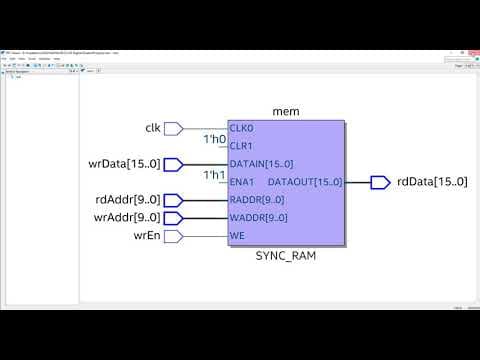
- Block RAMs are preferred over distributed RAMs for implementing lookup tables to achieve better performance in FPGA hardware.
Summary & Key Takeaways
-
The content provides an overview of neural network implementation on FPGAs, focusing on the differences between hardware and software implementations.
-
It explains the concept of fully connected neural networks and the use of pre-trained networks for FPGA implementation.
-
The content discusses the choice between floating-point and fixed-point number representation and the trade-offs between accuracy and resource utilization.
-
It introduces the concept of activation functions and the use of lookup tables for efficient hardware implementation, without relying on signed IP codes.
Read in Other Languages (beta)
Share This Summary 📚
Summarize YouTube Videos and Get Video Transcripts with 1-Click
Try YouTube Summary with ChatGPT & Claude or YouTube Transcript Generator
Explore More Summaries from Vipin Kizheppatt 📚

Summarize YouTube Videos and Get Video Transcripts with 1-Click
Try YouTube Summary with ChatGPT & Claude or YouTube Transcript Generator