Cognitive Behavioral Therapy | Psychology
TL;DR
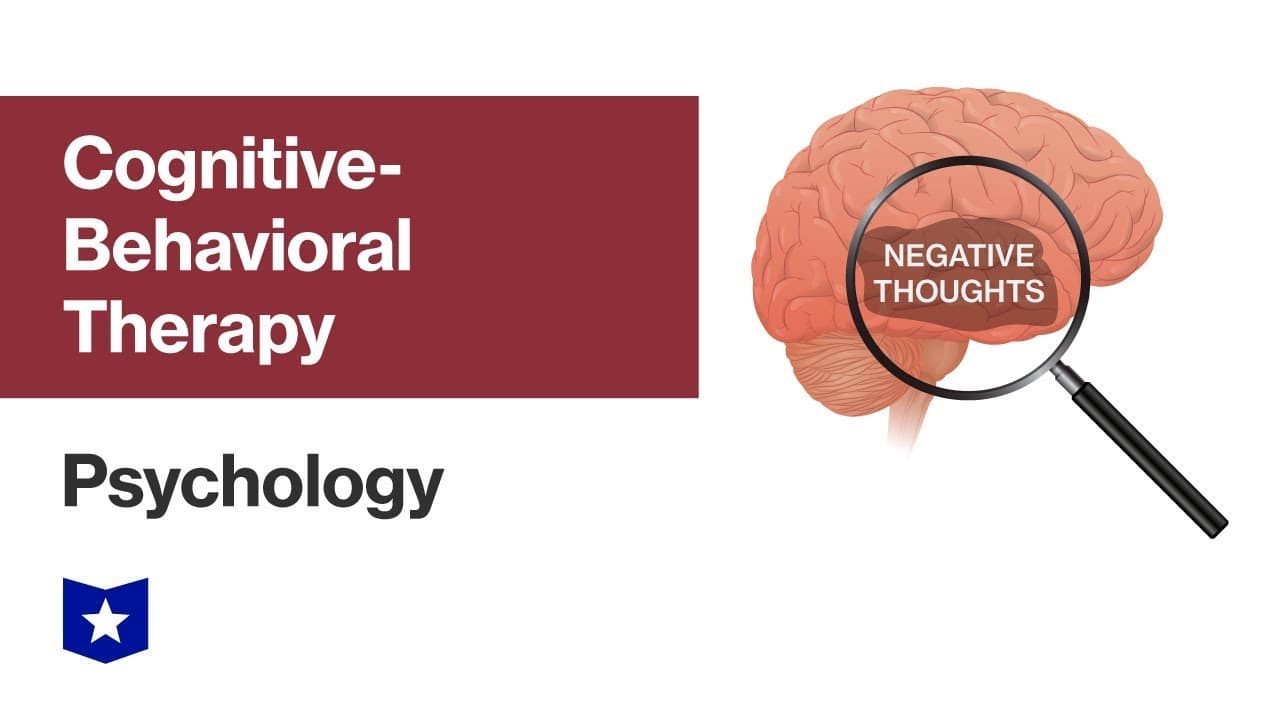
Cognitive Behavioral Therapy combines cognitive and behavioral approaches to manage negative thoughts and behaviors effectively.
Transcript
cognitive behavioral therapy or CBT is a hybrid approach a combination of both cognitive and behavioral therapies that teaches strategies for managing negative thoughts and changing unhelpful behaviors the cognitive aspect of this therapy has clients tracked the habitual thinking errors underlying psychological disorders for example if a person wit... Read More
Key Insights
- 💭 CBT combines cognitive and behavioral techniques to address negative thoughts and behaviors effectively.
- 🤔 Rational Emotive Behavior Therapy (REBT) forms the philosophical basis for CBT by targeting distorted thinking patterns.
- ❓ CBT incorporates mindfulness techniques to increase awareness of emotions and promote emotional regulation.
- ❓ Acceptance and Commitment Therapy (ACT) and Dialectical Behavioral Therapy (DBT) are variations of CBT that focus on acceptance, values, and emotion regulation.
- 🧑⚕️ CBT is supported by empirical evidence and can be as effective as medication in treating various mental health conditions.
- 🤔 The goal of CBT is to help individuals identify and change negative patterns of thinking and behaving.
- 💭 CBT teaches individuals to challenge and test the validity of their negative thoughts and beliefs.
Install to Summarize YouTube Videos and Get Transcripts
Explore YouTube Video Summarizer or Get YouTube Transcript Extractor
Questions & Answers
Q: What is the core concept behind Cognitive Behavioral Therapy?
Cognitive Behavioral Therapy focuses on identifying and changing negative thought patterns and behaviors that contribute to psychological disorders. By recognizing and challenging these patterns, individuals can learn more adaptive ways of thinking and behaving.
Q: How does CBT differ from traditional talk therapy?
Unlike traditional talk therapy that focuses on exploring past experiences, CBT is a present-focused and goal-oriented approach that emphasizes changing current thoughts and behaviors to improve mental well-being.
Q: Can Cognitive Behavioral Therapy be effective without medication?
Yes, CBT has been shown to be as effective as medication in treating various mental health conditions, making it a popular choice for those who prefer non-pharmacological interventions or want to combine therapy with medication for enhanced results.
Q: How do mindfulness techniques fit into Cognitive Behavioral Therapy?
Mindfulness techniques are integrated into CBT to help individuals become more aware of their thoughts, emotions, and physical sensations in the present moment. Practicing mindfulness can enhance self-regulation, reduce stress, and improve overall well-being.
Summary & Key Takeaways
-
Cognitive Behavioral Therapy (CBT) combines cognitive and behavioral strategies to address negative thoughts and behaviors.
-
CBT helps clients identify habitual thinking errors underlying psychological disorders.
-
CBT is as effective as medication in treating anxiety, phobias, depression, and compulsive behavior.
Read in Other Languages (beta)
Share This Summary 📚
Summarize YouTube Videos and Get Video Transcripts with 1-Click
Try YouTube Summary with ChatGPT & Claude or YouTube Transcript Generator
Explore More Summaries from Course Hero 📚




Summarize YouTube Videos and Get Video Transcripts with 1-Click
Try YouTube Summary with ChatGPT & Claude or YouTube Transcript Generator