How to Evaluate Information in a Post-Truth World
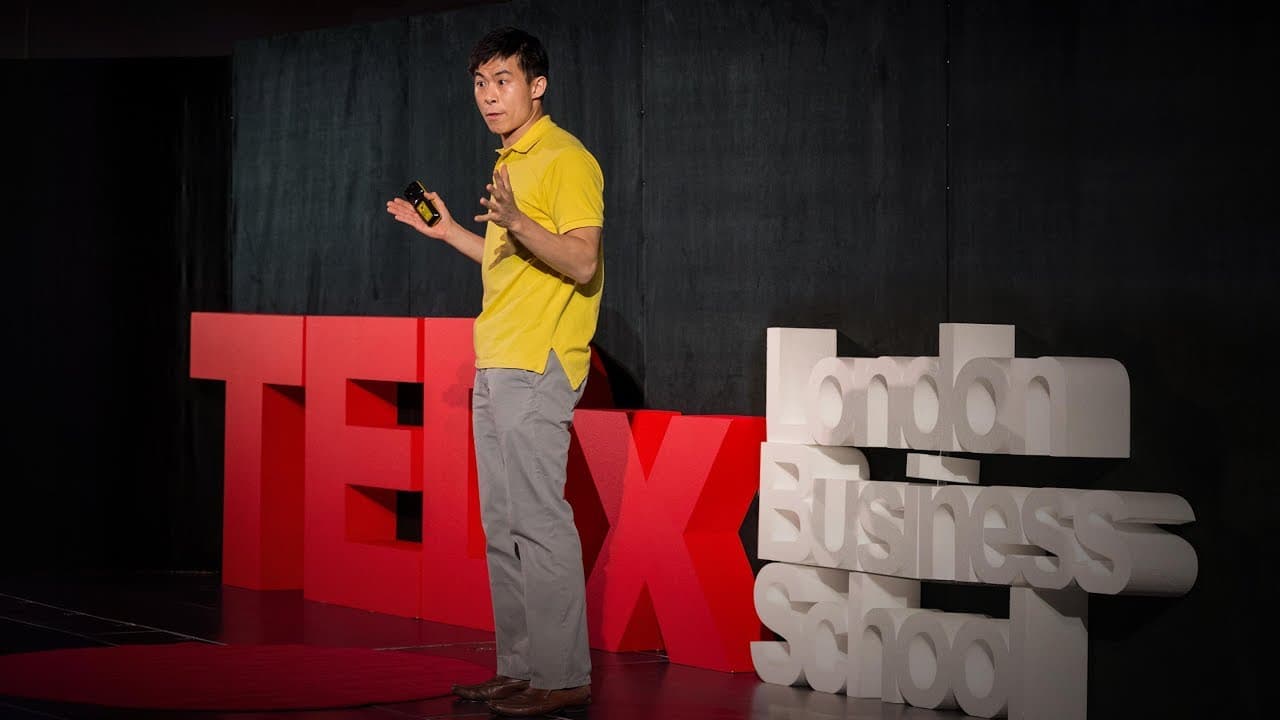
TL;DR
To navigate a post-truth world, critically examine information by seeking diverse perspectives, listening to qualified experts, and validating evidence from reputable sources. It's essential to recognize confirmation bias and avoid spreading unverified stories, ensuring that decisions are grounded in substantial data rather than singular anecdotes.
Transcript
Belle Gibson was a happy young Australian. She lived in Perth, and she loved skateboarding. But in 2009, Belle learned that she had brain cancer and four months to live. Two months of chemo and radiotherapy had no effect. But Belle was determined. She'd been a fighter her whole life. From age six, she had to cook for her brother, who had autism, an... Read More
Key Insights
- 🤔 Belle Gibson's story of curing cancer through diet and exercise went viral, showing the power of confirmation bias in accepting stories that confirm our beliefs and rejecting those that contradict them. We often ignore the 99% of ordinary cases and focus on outliers because they are newsworthy.
- 🔬 Simply checking facts is not enough, as Bayesian inference reminds us that data consistent with a theory does not necessarily support that theory. We need to consider rival theories and be open to being proven wrong.
- 💡 To ensure we have evidence and not just stories, we should actively seek other viewpoints, listen to experts with credentials and published research in reputable journals, and pause before sharing anything to avoid spreading potentially misleading information.
- 🎙️ More videos with Alex Edmans:
Install to Summarize YouTube Videos and Get Transcripts
Explore YouTube Video Summarizer or Get YouTube Transcript Extractor
Questions & Answers
Q: Who is Belle Gibson?
Belle Gibson is a young Australian woman from Perth who claimed to have brain cancer and made a complete recovery through diet and exercise. Her story went viral and reached millions of people.
Q: Why was Belle's story a lie?
Belle's story was a lie because she never actually had cancer. Despite her claims of using diet and exercise to cure herself, there were no medical records or evidence to support her diagnosis or recovery.
Q: What is confirmation bias?
Confirmation bias is the tendency to accept information or stories that confirm our existing beliefs or desires while rejecting or ignoring information that contradicts them. In Belle's case, people shared her story without questioning its validity because it aligned with their beliefs about the benefits of alternative medicine.
Q: Why is Belle's story not reliable evidence?
Belle's story is not reliable evidence because it is just one anecdotal case. Even if her story were true, it would only be one outlier among potentially thousands of other cases where diet alone did not cure cancer. Reliable evidence requires large-scale data and empirical research to support a theory.
Q: What is the importance of seeking other viewpoints?
Seeking other viewpoints is important because it helps us challenge our own beliefs and biases. By actively listening to people we disagree with and considering their perspectives, we have the opportunity to learn and expand our understanding. Surrounding ourselves with diverse opinions encourages critical thinking and reduces the influence of confirmation bias.
Q: How can we determine if an expert is trustworthy?
To determine if an expert is trustworthy, it is important to critically examine their credentials and expertise in the specific subject matter. Look for individuals who have extensive experience and knowledge in their field, as well as publications in reputable academic journals. Additionally, considering any potential conflicts of interest can help assess the reliability of their expertise.
Q: What is the significance of academic evidence in decision-making?
Academic evidence plays a crucial role in decision-making as it undergoes a rigorous process of peer review and scrutiny. Studies published in reputable academic journals are typically conducted by experts who adhere to strict scientific standards and methodologies. While academic evidence is not infallible, it offers a higher level of credibility compared to anecdotes or unsupported claims.
Q: Why should we pause before sharing information?
It is important to pause before sharing information to avoid spreading potentially misleading or false content. Considering the truthfulness and substantiation of a story or study is necessary before sharing it. Being cautious about what we share helps prevent the spread of misinformation and encourages a pro-truth approach to sharing information.
Summary & Key Takeaways
-
Belle Gibson, an Australian woman who claimed to have cured her brain cancer through diet and exercise, turned out to be lying about her diagnosis
-
Confirmation bias leads people to accept stories that confirm their beliefs and ignore stories that contradict them
-
To make informed decisions, we should actively seek other viewpoints, listen to experts, critically examine credentials and evidence, and pause before sharing anything
Read in Other Languages (beta)
Share This Summary 📚
Summarize YouTube Videos and Get Video Transcripts with 1-Click
Try YouTube Summary with ChatGPT & Claude or YouTube Transcript Generator
Explore More Summaries from TED 📚

Summarize YouTube Videos and Get Video Transcripts with 1-Click
Try YouTube Summary with ChatGPT & Claude or YouTube Transcript Generator