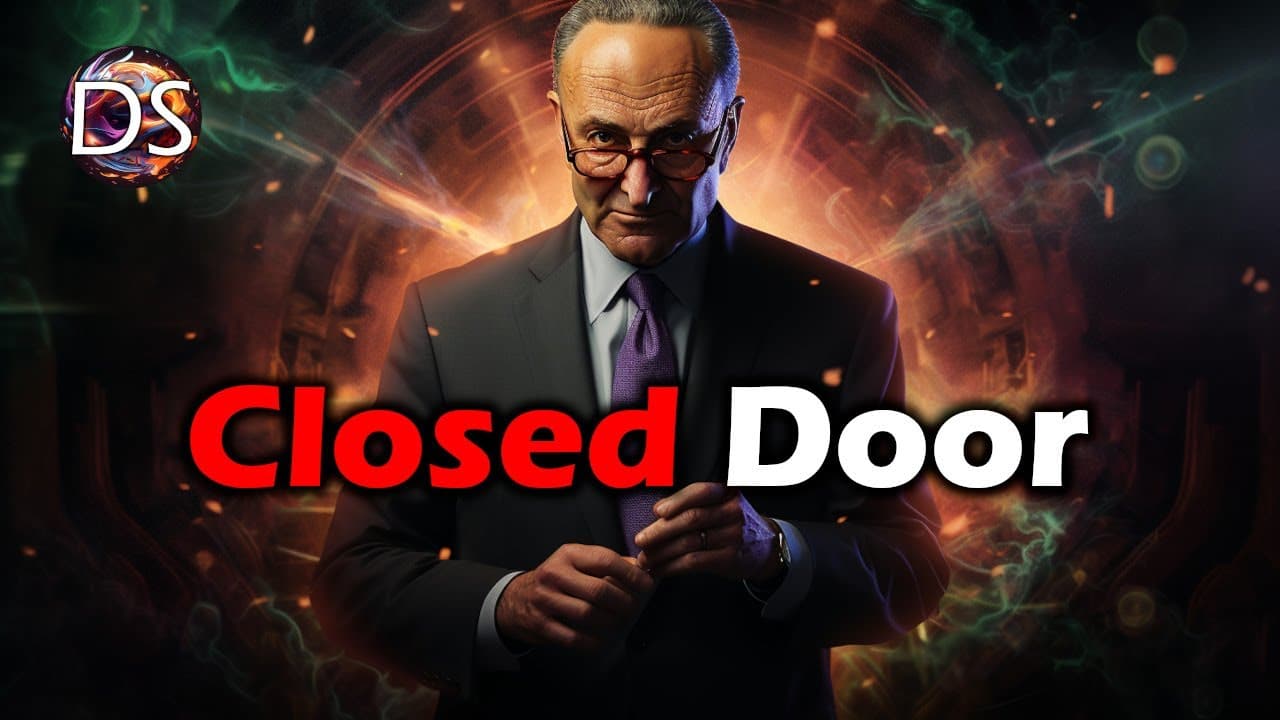
AI Insights Forum: Closed Door Senate Meeting with Tech Execs
TL;DR
CEOs, researchers, and stakeholders discuss AI regulation, governance at US Senate meeting - potential paradigm shift.
Transcript
before we get started I need to address the elephant in the room so after uh several months of wearing my Star Trek uniform t-shirt I got quite a few comments some people were rather triggered by this they said that it was cringe and unprofessional and ultimately I have to agree that uh the Pips were not in the right place and it was just a T-shirt... Read More
Key Insights
- 🌍 Industry leaders discussed government intervention, international coordination, and funding for AI expertise.
- 🤗 Disagreements arose on issues such as open-source AI, licensing, workforce impacts, and regulatory capture.
- 👨💼 Different companies' business models influenced their perspectives on AI regulation and governance.
- 🪡 Regulatory capture concerns highlighted the need for transparency and careful consideration in AI governance and regulation.
- 😚 Closed-door meetings facilitated candid conversations on realistic AI harms and government actions.
- 🤗 Emphasis on open-source AI, workforce impact, and international coordination underscored various perspectives in the AI regulation dialogue.
- ⛩️ A potential paradigm shift towards direct government oversight and regulation in AI development was hinted at during discussions.
Install to Summarize YouTube Videos and Get Transcripts
Explore YouTube Video Summarizer or Get YouTube Transcript Extractor
Questions & Answers
Q: What were the main topics discussed at the closed-door Senate session on AI regulation and governance?
The participants engaged in discussions around government intervention in AI development, international coordination, and funding for AI expertise. They also explored issues related to open-source AI, licensing, workforce impact, and regulatory capture.
Q: Why was there an emphasis on closed-door meetings for candid conversations on AI regulation and governance?
Closed-door meetings were utilized to facilitate candid conversations and reduce the risk profile for CEOs speaking openly without fear of public backlash. This format allowed for more direct and real conversations on the realistic harms of AI and what government actions could be taken.
Q: What concerns were raised regarding regulatory capture in the context of AI governance?
Regulatory capture, where regulatory bodies are heavily influenced by the industry being regulated, was a significant concern. The potential for undue influence and corruption, especially in closed-door meetings, highlighted the need for careful consideration in navigating AI governance.
Q: How did different tech companies' business models influence their perspectives in the AI regulation discussion?
Companies like Microsoft and Nvidia, with diversified portfolios, took a more balanced approach to open-source and closed-source AI models. In contrast, companies like Google and OpenAI focused on their existing products and interests, impacting their stance on licensing and regulation.
Summary & Key Takeaways
-
CEOs and researchers engaged in a closed-door Senate session about AI regulation and governance, addressing various aspects of AI including safety, alignment with humanity, and algorithmic bias.
-
There was a consensus on the need for government intervention in AI development, international coordination, and increased funding for AI expertise.
-
Disagreements arose concerning issues such as open-source AI, licensing, workforce impact, and regulatory capture.
Read in Other Languages (beta)
Share This Summary 📚
Summarize YouTube Videos and Get Video Transcripts with 1-Click
Try YouTube Summary with ChatGPT & Claude or YouTube Transcript Generator
Explore More Summaries from David Shapiro 📚





Summarize YouTube Videos and Get Video Transcripts with 1-Click
Try YouTube Summary with ChatGPT & Claude or YouTube Transcript Generator