The Great Asian Rice Crisis of 2008
TL;DR
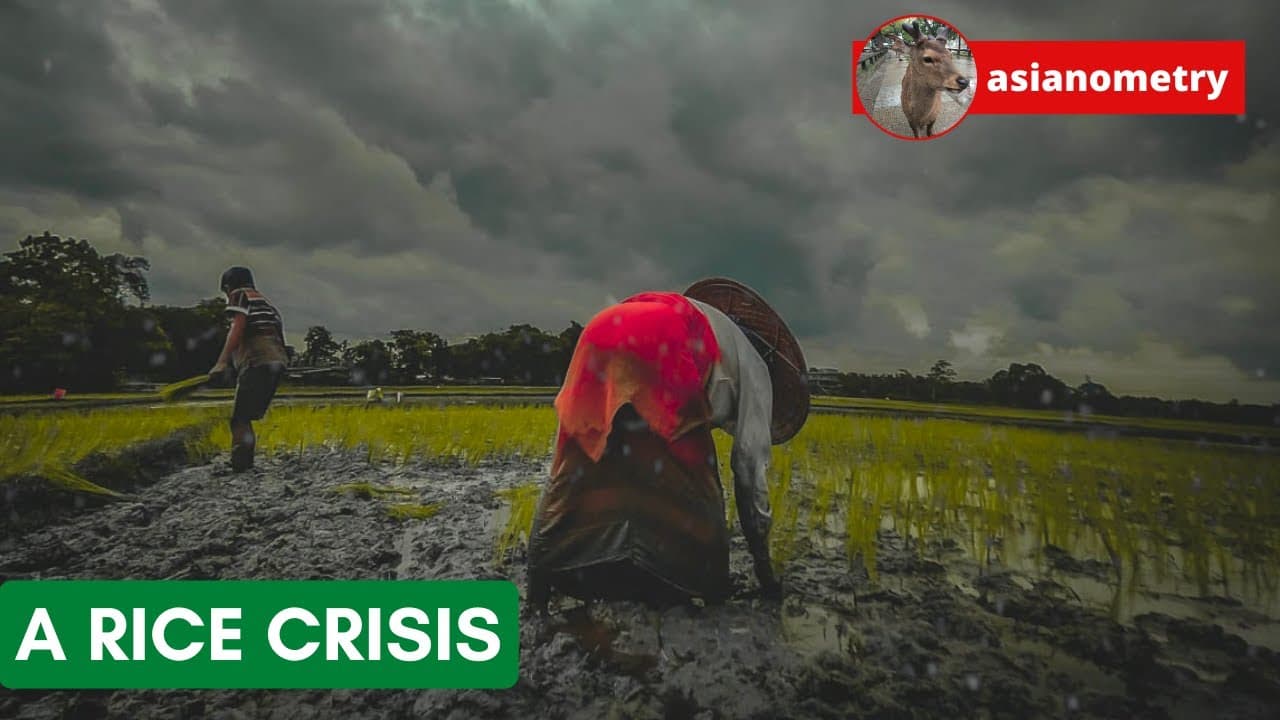
In 2008, a rice crisis caused by export bans and panic-buying resulted in skyrocketing rice prices, leading to food riots. Policy changes and coordination between countries helped stabilize the market.
Transcript
On July 20th 2023, India - the world's largest rice exporter - banned exports of most non-basmati white rice. The government's stated reason for the ban was to preserve domestic rice prices after a bad crop due to uneven rains. The ban will cut at least half of India's rice exports. It has led to some panic-buying of rice and toilet paper... Read More
Key Insights
- 🌾 The Green Revolution in the 1960s, which introduced high-yield rice varieties, significantly increased rice production in Asia, but taste and pest issues led to the development of new strains.
- 😋 Rice is a staple food for 2 billion people and provides about 21% of humanity's caloric requirements.
- 🌾 The low economic value but high food security value of rice makes it crucial to poorer populations, while richer countries consume less rice.
- 🌾 Thinly traded international rice markets are vulnerable to disruptions, as demonstrated by the 2008 rice crisis.
- 🤕 Export bans and panic-buying during the crisis caused significant price fluctuations and social unrest.
- 🌾 Policy changes and coordination between countries, such as Japan releasing stored rice stocks, helped stabilize rice prices and avert a prolonged crisis.
- 😋 Lessons learned from the crisis include the importance of expanding domestic rice production to mitigate dependence on external markets and the risks of export bans on global food security.
Install to Summarize YouTube Videos and Get Transcripts
Explore YouTube Video Summarizer or Get YouTube Transcript Extractor
Questions & Answers
Q: What was the main reason behind India's ban on rice exports in 2008?
The Indian government banned rice exports in 2008 to preserve domestic rice prices following a poor crop due to uneven rains. The ban aimed to ensure an adequate supply of rice for its population.
Q: How did the rice crisis affect global rice prices?
The panic-buying and export bans led to a surge in rice prices globally. Between January and May 2008, rice prices increased by over 50%, reaching $907 per ton. This increase caused food riots in several countries and created instability in the rice market.
Q: How did Japan's potential release of stored rice stocks help stabilize the market?
The possibility of Japan releasing its stored rice stocks helped alleviate fears of a rice shortage. The announcement led to a decline in rice prices, and subsequent negotiations between Japan and the Philippines resulted in a deal for rice exports, helping stabilize the market.
Q: What were the lessons learned from the Great Asian Rice Crisis of 2008?
Countries affected by the crisis, such as Indonesia, China, and India, realized the risks of relying heavily on external rice markets. Since then, they have focused on expanding domestic rice production to meet their critical needs.
Key Insights:
- The Green Revolution in the 1960s, which introduced high-yield rice varieties, significantly increased rice production in Asia, but taste and pest issues led to the development of new strains.
- Rice is a staple food for 2 billion people and provides about 21% of humanity's caloric requirements.
- The low economic value but high food security value of rice makes it crucial to poorer populations, while richer countries consume less rice.
- Thinly traded international rice markets are vulnerable to disruptions, as demonstrated by the 2008 rice crisis.
- Export bans and panic-buying during the crisis caused significant price fluctuations and social unrest.
- Policy changes and coordination between countries, such as Japan releasing stored rice stocks, helped stabilize rice prices and avert a prolonged crisis.
- Lessons learned from the crisis include the importance of expanding domestic rice production to mitigate dependence on external markets and the risks of export bans on global food security.
- Rising food prices, climate change, and changes in agricultural investment contribute to fluctuations in rice prices.
Summary & Key Takeaways
-
In 2008, India, the largest rice exporter, banned non-basmati white rice exports to protect domestic prices after a bad crop due to uneven rains.
-
Panic-buying and hoarding triggered by the export ban caused a surge in rice prices globally, leading to food riots in several countries.
-
Vietnam and Thailand responded to the crisis by implementing export bans and export price caps respectively, exacerbating the panic in the rice markets.
Read in Other Languages (beta)
Share This Summary 📚
Summarize YouTube Videos and Get Video Transcripts with 1-Click
Try YouTube Summary with ChatGPT & Claude or YouTube Transcript Generator
Explore More Summaries from Asianometry 📚





Summarize YouTube Videos and Get Video Transcripts with 1-Click
Try YouTube Summary with ChatGPT & Claude or YouTube Transcript Generator