Complex Humanitarian Emergencies, What to Know
TL;DR
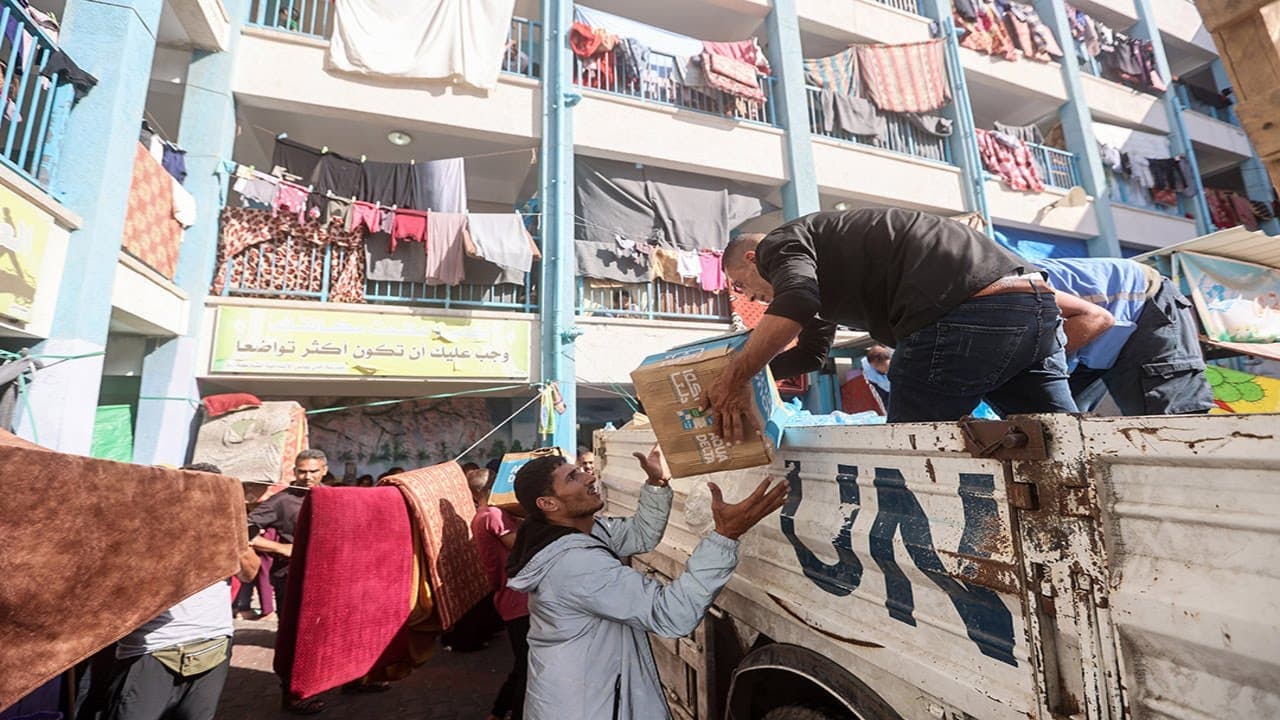
David Scheffer discusses global humanitarian emergencies and their complexities.
Transcript
CASA: Welcome to today’s session of the Winter/Spring 2024 CFR Academic Webinar Series. I’m Maria Casa, director of the National Program and Outreach department at CFR. Thank you all for joining us. Today’s discussion is on the record and the video and transcript will be available on our website, CFR.org/academic, if you would like to share t... Read More
Key Insights
- Complex humanitarian emergencies arise from a combination of factors like armed conflict, climate change, and economic disparities, requiring multifaceted solutions.
- The number of people affected by humanitarian emergencies globally has slightly decreased from 2023 to 2024, yet remains alarmingly high.
- International focus on humanitarian issues is often influenced by geopolitical interests, leading to uneven attention across different crises.
- The 'responsibility to protect' principle has been strained, and there is a call for a new 'responsibility to survive' principle to address urgent humanitarian needs.
- Accountability for leaders who shift burdens onto the international community is lacking, raising questions about governance and responsibility.
- The international legal framework struggles to address the totality of military conflicts, particularly in assessing the humanitarian impact.
- There is a need for a more cohesive approach to preventing humanitarian emergencies, beyond just responding to them.
- The role of the United Nations and the Security Council in resolving conflicts like Gaza is complicated by political dynamics and differing national interests.
Install to Summarize YouTube Videos and Get Transcripts
Explore YouTube Video Summarizer or Get YouTube Transcript Extractor
Questions & Answers
Q: What are the main causes of complex humanitarian emergencies?
Complex humanitarian emergencies are primarily caused by armed conflict, climate change, and economic disparities. These factors often interact, creating situations where people are forcibly displaced and require urgent humanitarian assistance. Addressing these emergencies requires comprehensive strategies that consider the root causes and the immediate needs of affected populations.
Q: How has the global number of people affected by humanitarian emergencies changed from 2023 to 2024?
The global number of people affected by humanitarian emergencies has slightly decreased from 363 million in 2023 to about 300 million in 2024. Despite this decline, the number remains alarmingly high, indicating the persistent and widespread nature of these crises across the world.
Q: What is the 'responsibility to survive' principle proposed by David Scheffer?
The 'responsibility to survive' principle proposed by David Scheffer suggests that governments should be held accountable for addressing humanitarian emergencies. This principle emphasizes the need for rapid action and international cooperation to prevent and mitigate the impact of crises, focusing on the survival and well-being of affected populations.
Q: Why is there uneven international attention to different humanitarian crises?
International attention to humanitarian crises is often uneven due to geopolitical interests and media focus. Crises in regions with strategic significance to major powers, like Ukraine and Gaza, tend to receive more attention. This can overshadow other severe emergencies, such as the situation in Sudan, despite their significant humanitarian impact.
Q: What challenges exist in holding leaders accountable for humanitarian emergencies?
Holding leaders accountable for humanitarian emergencies is challenging due to the lack of clear international legal frameworks and the political complexities involved. Often, leaders who contribute to crises by initiating conflicts or failing to address issues face little accountability, as their actions are not always illegal but shift burdens onto the international community.
Q: How does international law currently address the humanitarian impact of military conflicts?
International law addresses the humanitarian impact of military conflicts through principles like proportionality, distinction, necessity, and humanity. However, these principles often focus on individual actions rather than the totality of a conflict's impact. There is a need for legal frameworks that consider the overall humanitarian consequences and guide political decisions.
Q: What role does the United Nations Security Council play in conflicts like Gaza?
The United Nations Security Council plays a role in conflicts like Gaza by convening sessions and discussing resolutions for ceasefires and humanitarian aid. However, political dynamics and differing national interests, particularly the veto power of permanent members, can complicate efforts to reach consensus and take effective action.
Q: Why is there a need for a focus on preventing humanitarian emergencies?
There is a need to focus on preventing humanitarian emergencies to address root causes before they escalate into crises. While there are established practices for responding to emergencies, a proactive approach that includes better governance, economic stability, and climate change mitigation can reduce the occurrence and severity of such emergencies, ultimately saving lives and resources.
Summary & Key Takeaways
-
David Scheffer highlights the complexities of humanitarian emergencies, driven by factors like armed conflict, climate change, and economic disparities. He emphasizes the need for multifaceted solutions and greater international cooperation.
-
The discussion underscores the challenges in international law and governance, particularly in holding leaders accountable and addressing the totality of humanitarian impacts in conflicts like Gaza.
-
Scheffer calls for a new 'responsibility to survive' principle, suggesting that governments should be held accountable for addressing humanitarian emergencies and preventing the shifting of burdens onto the international community.
Read in Other Languages (beta)
Share This Summary 📚
Summarize YouTube Videos and Get Video Transcripts with 1-Click
Try YouTube Summary with ChatGPT & Claude or YouTube Transcript Generator
Explore More Summaries from Council on Foreign Relations 📚

Summarize YouTube Videos and Get Video Transcripts with 1-Click
Try YouTube Summary with ChatGPT & Claude or YouTube Transcript Generator