Emotion | Psychology
TL;DR
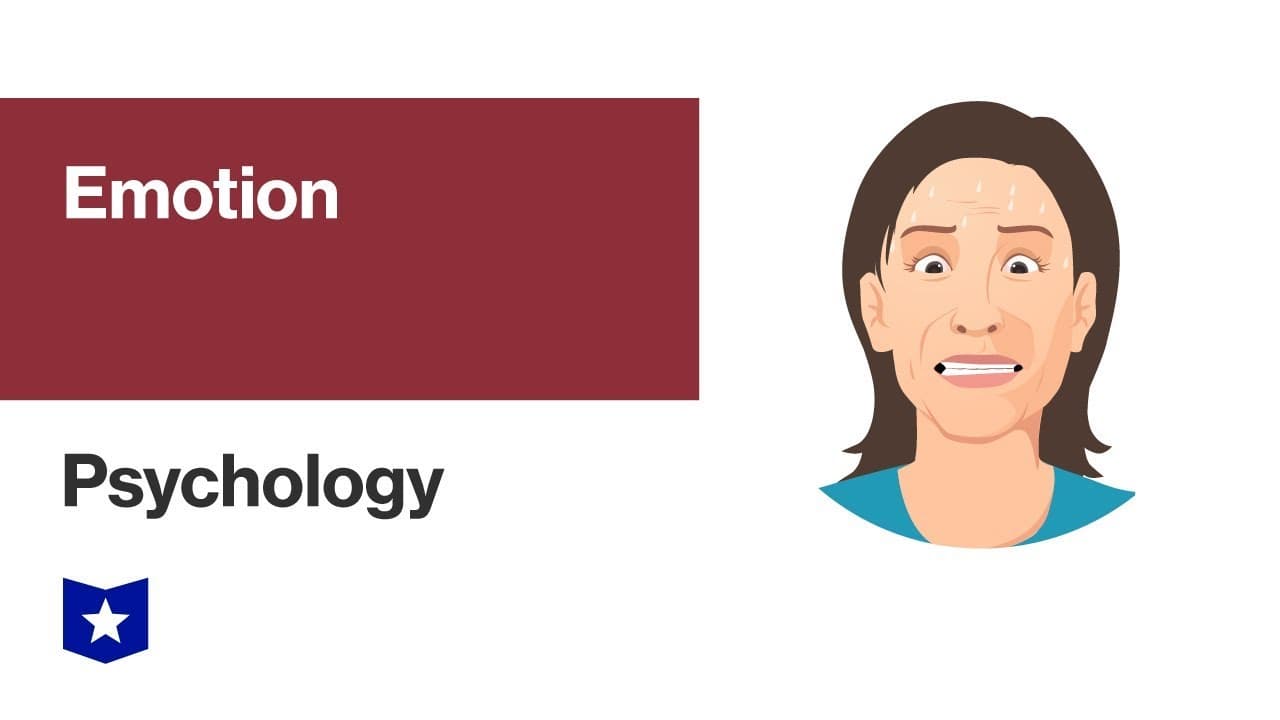
Emotions involve physiological, cognitive, and behavioral components, impacting how we interpret and express feelings.
Transcript
emotions include physiological cognitive and behavioral components and different theories of emotion assign different levels of importance to each component the james-lange theory suggests that emotions stem from physiological arousal different arousal patterns are associated with different feelings happiness sadness and so on for instance if a sna... Read More
Key Insights
- 😑 Emotions comprise physiological, cognitive, and behavioral components that interact to shape our feelings and expressions.
- ❓ Cultural backgrounds and experiences influence how individuals interpret and display emotions.
- 😑 Facial expressions play a crucial role in communicating emotions, but cultural norms and display rules can impact expression.
- 😑 The facial feedback hypothesis suggests that facial expressions can influence emotions, highlighting the bidirectional relationship.
- 😀 Predictions about what will make us happy are often inaccurate, with wealth not strongly correlating with happiness.
- 🤳 Positive illusions, such as unrealistically favorable attitudes towards oneself, can help maintain self-esteem and well-being temporarily.
- 🧑🏭 Positive psychology emphasizes close relationships, helping others, meaningful work, and a sense of purpose as factors linked to happiness.
Install to Summarize YouTube Videos and Get Transcripts
Explore YouTube Video Summarizer or Get YouTube Transcript Extractor
Questions & Answers
Q: How do different theories of emotion explain the relationship between physiological arousal and feelings?
The James-Lange theory posits that physiological arousal precedes emotions, while the Kenan Bard Theory and Two-Factor Theory offer alternative views on the simultaneous nature of arousal and emotional experiences.
Q: How do cultural factors influence the interpretation and expression of emotions?
Cultural backgrounds and societal norms can shape how individuals interpret and display emotions, impacting their overall well-being and happiness.
Q: What role do facial expressions play in conveying emotions?
Facial expressions are universal indicators of emotions such as happiness, sadness, fear, disgust, and anger, but cultural norms and display rules can influence how emotions are expressed.
Q: How can facial expressions influence emotions according to the facial feedback hypothesis?
The facial feedback hypothesis suggests that facial expressions can influence emotions, with research showing that smiling can actually lead to feeling happier, highlighting the complex interplay between expressions and emotions.
Summary & Key Takeaways
-
Emotions have physiological, cognitive, and behavioral aspects that collectively influence how we experience and express feelings.
-
The James-Lange theory suggests emotions stem from physiological arousal, while other theories like the Kenan Bard Theory and Two-Factor Theory offer different perspectives.
-
Cultural backgrounds and experiences can significantly influence how we interpret emotions, impacting our overall well-being and happiness.
Read in Other Languages (beta)
Share This Summary 📚
Summarize YouTube Videos and Get Video Transcripts with 1-Click
Try YouTube Summary with ChatGPT & Claude or YouTube Transcript Generator
Explore More Summaries from Course Hero 📚




Summarize YouTube Videos and Get Video Transcripts with 1-Click
Try YouTube Summary with ChatGPT & Claude or YouTube Transcript Generator