World Energy Outlook 2015 With Fatih Birol

TL;DR
Fatih Birol discusses global energy trends and future outlook.
Transcript
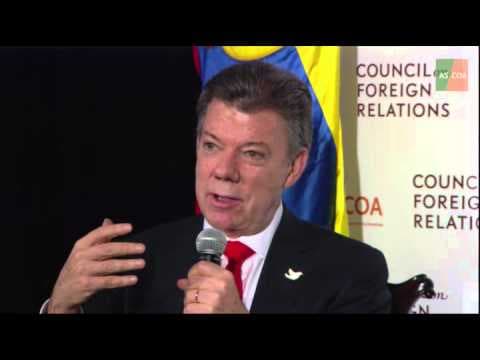
LEVI: Good evening. Welcome to today�s Council on Foreign Relations meeting on the 2015 World Energy Outlook with Fatih Birol. I�m Michael Levi. I lead the Center for Geoeconomic Studies here at the Council on Foreign Relations. And it�s my pleasure to welcome you all, as well as CFR members around the country and the world participating in this me... Read More
Key Insights
- Fatih Birol highlights the importance of preparing energy outlooks that account for surprises by relying on data, instincts, and scenario planning.
- The 2015 World Energy Outlook focuses on low energy prices and the Paris Climate Summit, with an in-depth analysis of India's energy landscape.
- Birol predicts that oil prices need to rise to $80 by 2020 to balance markets, despite the current $50 scenario.
- Long-term reliance on Middle Eastern oil could increase if low oil prices persist, raising security concerns.
- Renewable energy is rapidly growing, with 50% of new power plants being renewable, driven by competitiveness and government support.
- China's shift from coal to renewables and nuclear energy is significant, with a high investment in renewable energy surpassing the US and Europe combined.
- India's energy demand is expected to grow significantly, with a focus on coal and solar energy, driven by urbanization and economic growth.
- The IEA aims to modernize by engaging with emerging countries, ensuring gas supply security, and becoming a hub for clean energy technologies.
Install to Summarize YouTube Videos and Get Transcripts
Explore YouTube Video Summarizer or Get YouTube Transcript Extractor
Questions & Answers
Q: How does the IEA prepare energy outlooks for future surprises?
The IEA prepares for surprises by diving deep into data and developing instincts for global events. They create different scenarios based on potential political outcomes and assess ongoing projects. This approach helps them pinpoint significant events, such as the shale oil revolution in North America and China's shift to coal imports.
Q: What are the key focuses of the 2015 World Energy Outlook?
The 2015 World Energy Outlook focuses on the implications of low energy prices and the Paris Climate Summit. It examines whether low oil prices are beneficial and explores necessary actions for the Paris summit. Additionally, it provides an in-depth analysis of India's energy landscape, highlighting its growing demand and reliance on coal and solar energy.
Q: What is Fatih Birol's view on future oil prices?
Fatih Birol believes that oil prices need to rise to $80 by 2020 to balance the markets. He acknowledges the possibility of a $50 scenario as the new normal but warns that prolonged low prices could increase reliance on Middle Eastern oil, which poses security risks due to the region's instability and potential geopolitical issues.
Q: How is renewable energy impacting global energy markets?
Renewable energy is making significant inroads, with 50% of new power plants being renewable. This growth is driven by increased competitiveness and strong government support. However, Birol cautions that low oil prices could lead governments to reduce support for renewables and energy efficiency, potentially hindering progress on climate change goals.
Q: What changes are occurring in China's energy sector?
China is transitioning from coal to renewables and nuclear energy, driven by government efforts to reduce local pollution and improve energy efficiency. In 2014, China's investment in renewables surpassed the combined investment of the US, Europe, and Japan. This shift is part of a broader move towards a less industrial and more sustainable economy.
Q: What are India's energy challenges and opportunities?
India faces significant energy demand growth, driven by urbanization and economic expansion. The government is pushing for coal to address electricity shortages but also aims to lead in solar energy. India's energy landscape presents opportunities for both fossil fuels and renewables, with the potential for significant impact on global energy markets.
Q: What is the IEA's modernization strategy?
The IEA's modernization strategy involves opening its doors to emerging countries, focusing on global gas supply security, and becoming an international hub for clean energy technologies. This includes engaging with countries like China and Mexico and establishing the IEA as the central authority on energy efficiency, transferring knowledge and policies globally.
Q: What role does the IEA see for itself in the Paris Climate Summit?
The IEA aims to ensure energy is central to the Paris Climate Summit discussions, as two-thirds of emissions come from the energy sector. They advocate for banning inefficient coal plants, expanding renewable capacity, and establishing international efficiency standards. The IEA will monitor and report on countries' progress in meeting their climate pledges post-Paris.
Summary & Key Takeaways
-
Fatih Birol discusses the challenges of creating long-term energy outlooks amidst global surprises, emphasizing the importance of data, instincts, and scenario planning. The 2015 World Energy Outlook highlights low energy prices and the upcoming Paris Climate Summit, with a special focus on India's energy growth.
-
Birol argues that oil prices need to rise to $80 by 2020 to stabilize markets, warning that prolonged low prices could increase reliance on Middle Eastern oil, posing security risks. He also emphasizes the rapid growth of renewable energy, driven by competitiveness and strong government support.
-
China's energy landscape is shifting from coal to renewables and nuclear power, marked by significant investments. Meanwhile, India's energy demand is poised to grow with a focus on coal and solar energy. The IEA aims to modernize by engaging emerging countries and prioritizing clean energy technologies.
Read in Other Languages (beta)
Share This Summary 📚
Summarize YouTube Videos and Get Video Transcripts with 1-Click
Try YouTube Summary with ChatGPT & Claude or YouTube Transcript Generator
Explore More Summaries from Council on Foreign Relations 📚
Summarize YouTube Videos and Get Video Transcripts with 1-Click
Try YouTube Summary with ChatGPT & Claude or YouTube Transcript Generator