What Defines a Luxury Item?
TL;DR
A luxury item is often defined by its high cost, exclusivity, and the perception of status it provides. However, luxury can be subjective and is influenced by personal values and societal comparisons. The pursuit of luxury often stems from a desire for comfort, elegance, or to impress others, but it can also lead to unnecessary stress and clutter.
Transcript
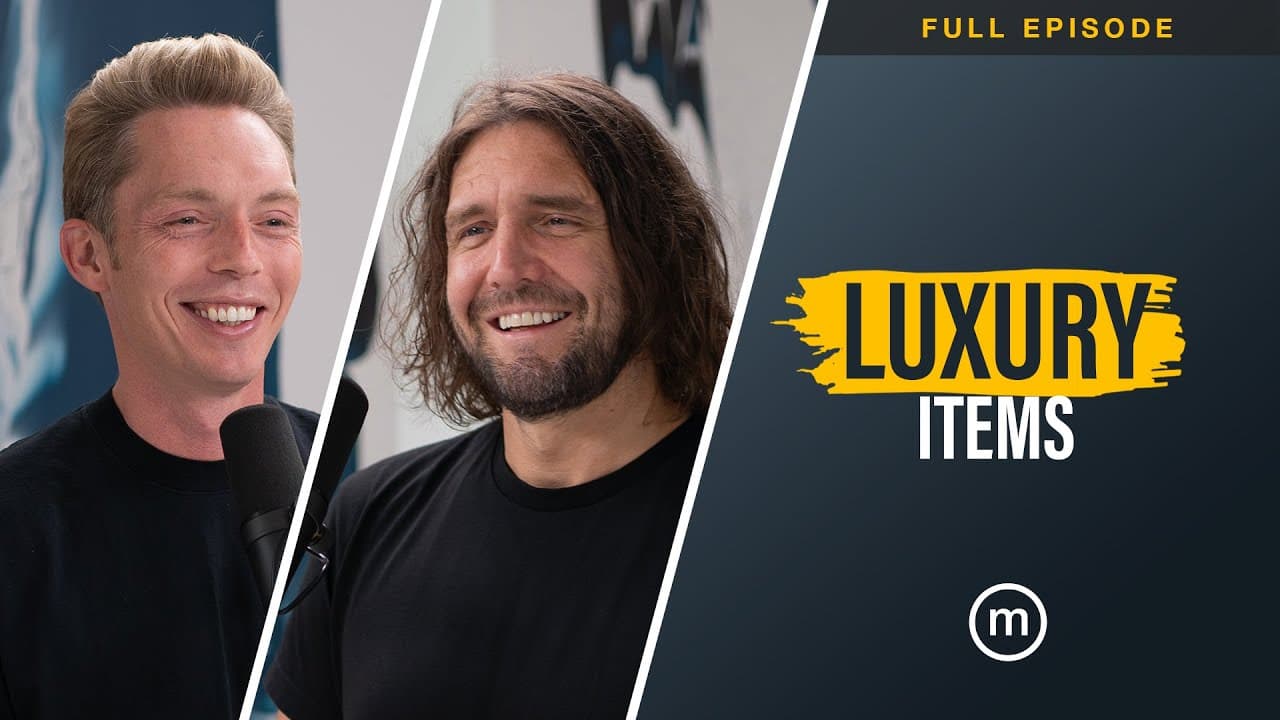
hello minimizers welcome to the minimalist podcast where we discuss what it means to live a meaningful life with less my name is Joshua Fields Milburn and I'm Ryan Nicodemus and together we are the minimalists is there a luxury item that you'd purchase right now if you had unlimited money if so what is it on today's podcast episode we're going to t... Read More
Key Insights
- Luxury is often associated with high cost and exclusivity, but it can be subjective and based on personal values.
- The term 'luxury' is frequently used in marketing to imply status and desirability, but it may not always signify high quality.
- Luxury can mean different things to different people, often influenced by cultural and societal norms.
- Many luxury items are purchased to impress others or to fulfill a perceived need for status.
- The pursuit of luxury can lead to clutter and stress, as people accumulate items that do not add real value to their lives.
- An alternative registry for weddings can focus on experiences or charitable donations instead of physical gifts.
- Crowdsourcing can be a modern way to fund experiences like honeymoons, avoiding the accumulation of unnecessary items.
- Living within one's means and focusing on essentials can provide more satisfaction than the pursuit of luxury.
Install to Summarize YouTube Videos and Get Transcripts
Explore YouTube Video Summarizer or Get YouTube Transcript Extractor
Questions & Answers
Q: How do you define a luxury item?
A luxury item is typically defined by its high cost, exclusivity, and the status it conveys. However, the definition can be subjective, as luxury can also be about personal values and what is considered extravagant or unnecessary by an individual.
Q: How do we differentiate between luxury, elegance, and trendy?
Luxury often implies high cost and exclusivity, elegance refers to a refined simplicity and grace, while trendy items are those that are currently popular or fashionable. These terms can overlap, but they each have distinct connotations and implications.
Q: What is an alternative registry for weddings?
An alternative registry might focus on experiences or charitable donations instead of physical gifts. This approach allows couples to avoid accumulating unnecessary items and instead focus on meaningful experiences or contributions to causes they care about.
Q: Is crowdsourcing a reasonable way to fund a honeymoon?
Yes, crowdsourcing can be an effective way to fund a honeymoon. It allows friends and family to contribute to meaningful experiences rather than physical gifts, aligning with a minimalist approach to avoid clutter and focus on value-added experiences.
Q: Why do some pursue luxury instead of living within their means?
The pursuit of luxury is often driven by a desire for status, comfort, or to impress others. However, this can lead to stress and financial strain, as it involves living beyond one's means and accumulating items that do not necessarily add real value to one's life.
Q: What is 'expensive pain'?
'Expensive pain' refers to the stress and anxiety that can accompany the pursuit of luxury and excess. It highlights the paradox of seeking happiness through material possessions, which often leads to more problems and dissatisfaction.
Q: What is the ultimate luxury?
The ultimate luxury is often considered to be health and well-being. Unlike material possessions, health provides intrinsic value and is essential for a fulfilling life. Prioritizing health over material goods can lead to greater satisfaction and longevity.
Q: What is 'low-grade misery'?
Low-grade misery refers to the subtle, ongoing dissatisfaction that can result from tolerating small annoyances or unmet needs. It often stems from accumulating unnecessary items or living in a way that does not align with one's values, leading to a persistent sense of discontent.
Summary & Key Takeaways
-
Luxury items are often defined by their high cost and the status they confer, but this is subjective and varies by individual perspective. The pursuit of luxury can lead to stress and clutter, as people accumulate items that may not add real value to their lives.
-
Luxury is frequently marketed to imply high status and desirability, but it does not always equate to high quality. The perception of what is luxurious can be influenced by cultural and societal norms, making it a relative concept.
-
An alternative approach to traditional luxury can involve focusing on experiences or charitable donations, which can provide more lasting satisfaction than accumulating physical items. Living within one's means and valuing essentials can often lead to greater contentment.
Read in Other Languages (beta)
Share This Summary 📚
Summarize YouTube Videos and Get Video Transcripts with 1-Click
Try YouTube Summary with ChatGPT & Claude or YouTube Transcript Generator
Explore More Summaries from The Minimalists Podcast 📚





Summarize YouTube Videos and Get Video Transcripts with 1-Click
Try YouTube Summary with ChatGPT & Claude or YouTube Transcript Generator