How to Question Beliefs and Find Freedom with Michael Gungor
TL;DR
Questioning beliefs and worldviews is crucial for personal growth and living a meaningful life. By letting go of outdated attitudes, we can move forward and embrace freedom. Michael Gungor discusses the process of becoming free from beliefs that no longer serve us, highlighting the importance of embracing the present moment and accepting discomfort as part of the journey.
Transcript
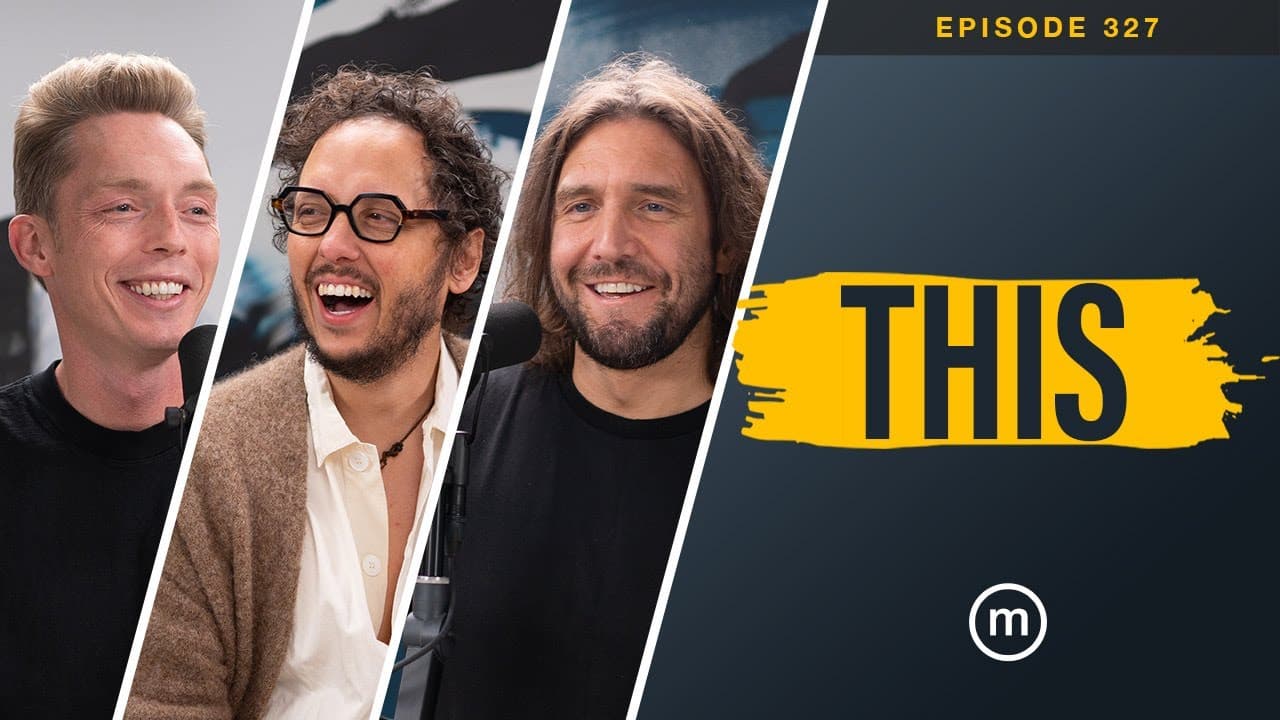
this podcast has bad words hello everybody Welcome to the minimalist podcast where we discuss what it means to live a meaningful life with less my name is Joshua Fields Milburn and I'm Ryan Nicodemus and together we are the minimalists we often get stuck when we're unwilling or unable to question the beliefs opinions and World Views that have shape... Read More
Key Insights
- Beliefs shape our perceptions and can anchor us to the past if not questioned.
- Letting go of outdated beliefs allows for personal growth and freedom.
- Anxiety often stems from avoiding deeper emotions like grief or sadness.
- The pursuit of happiness can lead to less happiness if it becomes a constant chase.
- Ego is a construct that can create suffering when it clings to permanence.
- All experiences are temporary, and acceptance of this can lead to liberation.
- Religions and philosophies are technologies that can aid in understanding life.
- Desires and needs should be examined to understand their true purpose and impact.
Install to Summarize YouTube Videos and Get Transcripts
Explore YouTube Video Summarizer or Get YouTube Transcript Extractor
Questions & Answers
Q: How do we determine if a belief no longer serves us?
A belief may no longer serve us if it causes suffering or limits our growth. It's important to examine whether the belief aligns with our current values and goals. By questioning and reflecting on our beliefs, we can decide if they are worth holding onto or if they should be released to embrace new perspectives and opportunities.
Q: What does 'belief' mean to you?
Belief is a mental construct that shapes our identity and worldview. It often involves accepting ideas as true without empirical evidence. Beliefs can provide comfort and structure but may also limit our experience of reality if held rigidly. They should be seen as tools or technologies that can be adapted or discarded as needed.
Q: How do our beliefs form?
Beliefs form through cultural, societal, and familial influences. They are often adopted unconsciously based on the environment we grow up in. Experiences, education, and interactions with others also contribute to shaping our beliefs. It's crucial to continually question and evaluate these beliefs to ensure they align with our authentic selves and desired life path.
Q: How do you define 'anxiety'?
Anxiety is often a secondary emotion that covers deeper feelings like fear, grief, or sadness. It acts as an alarm signaling that something within us needs attention. By acknowledging and addressing the underlying emotions, we can reduce anxiety's hold on us. It's important to allow ourselves to fully experience emotions without resistance to move through them.
Q: Did Michael discover a deeper truth through his experience with different religions?
Michael found that different religions offer varied perspectives that point toward similar truths. They are technologies that can guide us in understanding life and ourselves. The deeper truth lies in recognizing that all experiences and beliefs are temporary and that embracing the present moment leads to freedom and peace. Each tradition provides tools to navigate life's complexities.
Q: What does 'need' mean to you?
Need is a relative concept that depends on desired outcomes. It often implies a requirement to achieve a specific goal. However, many perceived needs are socially constructed and not essential for well-being. By examining our needs, we can discern between genuine necessities and those imposed by external influences, allowing us to focus on what truly matters.
Q: How do we determine when a struggle has become futile and move on?
A struggle may become futile when it no longer aligns with our values or contributes to our growth. Signs include persistent dissatisfaction, lack of progress, and emotional exhaustion. It's important to assess the situation honestly and consider if the effort is worth the outcome. Letting go can create space for new opportunities and experiences that better serve our well-being.
Q: What are your thoughts regarding the ego?
The ego is a construct that defines our sense of self and identity. It can create suffering when it clings to permanence and resists change. While the ego serves a purpose in navigating social interactions and personal development, it's essential to recognize its limitations. Embracing impermanence and viewing the ego as a tool rather than an absolute identity can lead to greater freedom and fulfillment.
Summary & Key Takeaways
-
Questioning beliefs is essential for personal growth. By letting go of old attitudes, we can embrace freedom and live meaningfully. Michael Gungor discusses how beliefs, when unquestioned, can anchor us to the past and hinder progress.
-
Anxiety may mask deeper emotions like grief. Embracing discomfort and accepting the temporary nature of experiences can lead to liberation. Gungor emphasizes the importance of being present and accepting all emotions.
-
Religions and philosophies are tools to understand life. They should be used consciously to serve our desired outcomes. Gungor encourages examining desires and needs to understand their true purpose and impact.
Read in Other Languages (beta)
Share This Summary 📚
Summarize YouTube Videos and Get Video Transcripts with 1-Click
Try YouTube Summary with ChatGPT & Claude or YouTube Transcript Generator
Explore More Summaries from The Minimalists Podcast 📚

Summarize YouTube Videos and Get Video Transcripts with 1-Click
Try YouTube Summary with ChatGPT & Claude or YouTube Transcript Generator