What Meal Cleans Your Arteries Effectively?
TL;DR
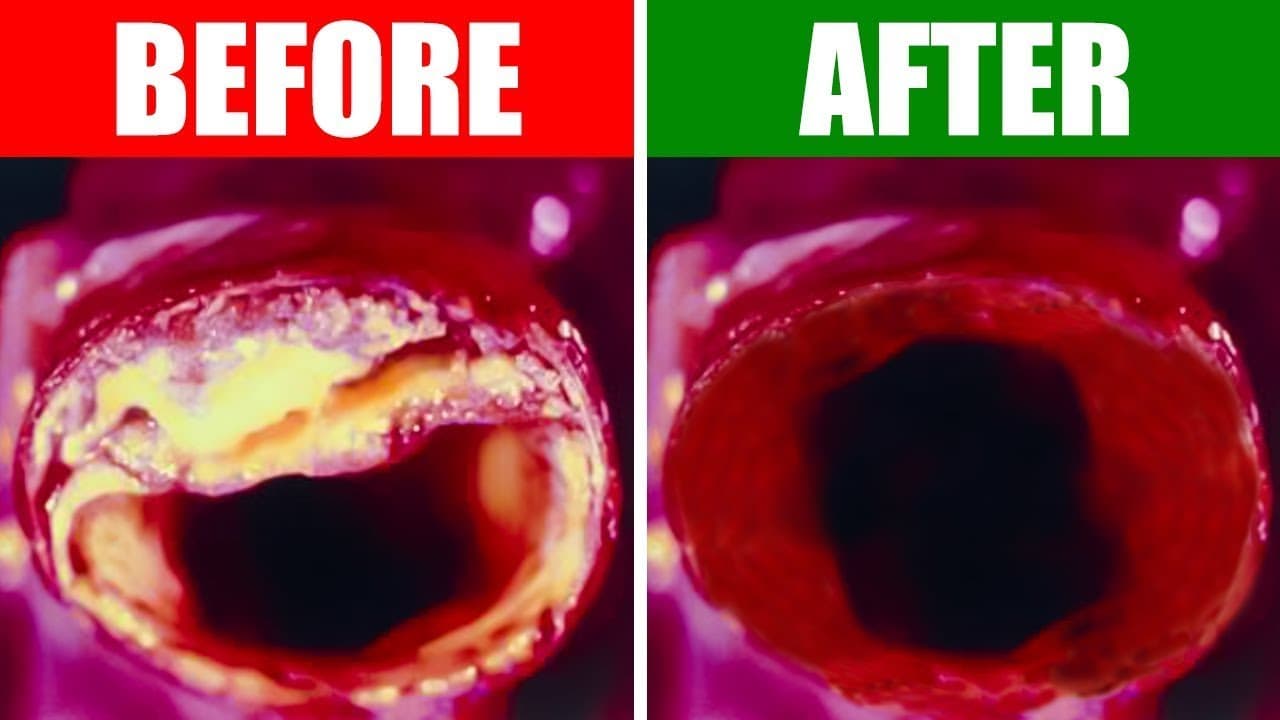
A meal rich in fermented foods, specifically combining fatty cheese, fatty pork sausage, and sauerkraut, can help clean out your arteries. This combination provides beneficial microbes and vitamin K2, which prevent calcium buildup and arterial plaque. Incorporating these foods enhances gut health and reduces inflammation in the body.
Transcript
let's talk about the best meal to actually clean out your arteries and I'm talking about atherosclerotic plaquing this is some new information that I think will actually blow you away and you can apply this to a lot of different body problems and since heart attacks are the number one killer I think you're going to be glad that you watch this I was... Read More
Key Insights
- 🧑⚕️ Germ-free mice studies demonstrate the crucial role of gut microbes in overall health, including arterial health.
- 🦠 The absence of gut microbes in germ-free mice leads to underdeveloped organs, a weakened immune system, and digestive issues.
- 💁 The imbalance of gut microbes in humans can result in arterial inflammation and plaque formation.
- 🦠 Pathogenic microbes, including chlamydia and staphylococcus, can reside in arterial plaque.
- 🦧 Vitamin K2, produced by gut microbes, helps prevent calcium buildup in the arteries.
- 💁 Deficiency in vitamin K2 can contribute to calcium accumulation and plaque formation in the arteries.
- 😋 Probiotic-rich foods, such as sauerkraut and yogurt, support a healthy microbiome and decrease arterial inflammation.
Install to Summarize YouTube Videos and Get Transcripts
Explore YouTube Video Summarizer or Get YouTube Transcript Extractor
Questions & Answers
Q: How do germ-free mice studies relate to arterial health in humans?
Germ-free mouse studies highlight the adverse effects of lacking gut microbes, such as stunted organ development and a compromised immune system. This suggests that an imbalanced microbiome in humans may contribute to arterial inflammation and plaque formation.
Q: Are there microbes living inside arterial plaque in humans?
Yes, studies have found pathogenic microbes like chlamydia, H. pylori, and staphylococcus residing within arterial plaque. These pathogens, along with other microbes, can contribute to the development of plaque and arterial inflammation.
Q: How does vitamin K2 influence arterial health?
Vitamin K2, produced by gut microbes, directs calcium away from the arteries and into the bones. A deficiency in vitamin K2 can lead to calcium accumulation in the arteries, increasing the risk of plaque formation.
Q: How can one improve arterial health through diet?
Consuming probiotic-rich foods like sauerkraut, yogurt, and fermented vegetables can support a healthy microbiome and reduce arterial inflammation. Additionally, incorporating vitamin K2-rich foods such as fatty cheese, fatty pork sausage, and certain fermented meats can help prevent calcium buildup in the arteries.
Key Insights:
- Germ-free mice studies demonstrate the crucial role of gut microbes in overall health, including arterial health.
- The absence of gut microbes in germ-free mice leads to underdeveloped organs, a weakened immune system, and digestive issues.
- The imbalance of gut microbes in humans can result in arterial inflammation and plaque formation.
- Pathogenic microbes, including chlamydia and staphylococcus, can reside in arterial plaque.
- Vitamin K2, produced by gut microbes, helps prevent calcium buildup in the arteries.
- Deficiency in vitamin K2 can contribute to calcium accumulation and plaque formation in the arteries.
- Probiotic-rich foods, such as sauerkraut and yogurt, support a healthy microbiome and decrease arterial inflammation.
- Foods high in vitamin K2, such as fatty cheese and fermented meats, can help maintain arterial health by directing calcium into the bones.
Summary & Key Takeaways
-
Studies on germ-free mice show that the absence of gut microbes leads to stunted growth, underdeveloped organs, and a weakened immune system.
-
Lack of microbial balance in the body can result in inflammation throughout the body, including the arteries, leading to plaque formation.
-
Vitamin K2, produced by gut microbes, helps prevent calcium buildup in the arteries, reducing the risk of plaque formation.
Read in Other Languages (beta)
Share This Summary 📚
Summarize YouTube Videos and Get Video Transcripts with 1-Click
Try YouTube Summary with ChatGPT & Claude or YouTube Transcript Generator
Explore More Summaries from Dr. Eric Berg DC 📚




Summarize YouTube Videos and Get Video Transcripts with 1-Click
Try YouTube Summary with ChatGPT & Claude or YouTube Transcript Generator