What Can We Learn from India's Translation Practices?

TL;DR
India's translation history challenges Western conventions by emphasizing multilingualism and cultural transactions over mere language translation. Professor Harish Trivedi critiques the dominance of Western post-colonial discourse and advocates for a diverse approach to translation studies that includes non-Western voices. He highlights the necessity of preserving linguistic diversity and the role of translation in shaping cultural understanding.
Transcript
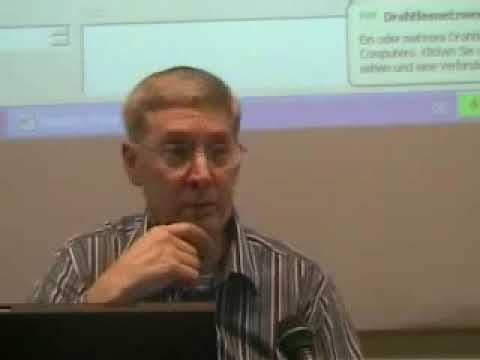
we were in Bassano Adriatica with etc today is the 13th Oh rubbish it was it was the 11th 9/11 Jersey it's the 13th of September 2000 2006 no oh that's where with Professor Hirsch Trivedi who is professor of English at the University of Delhi welcome you've been professor here for a session in translation studies and I'm interested first in in the ... Read More
Key Insights
- 🇪🇭 India's history of translation challenges traditional Western concepts, focusing on bilingualism and linguistic diversity.
- 🇪🇭 Professor Trivedi advocates for non-Western voices in translation studies, critiquing the dominance of Western post-colonial discourse.
- 🖐️ Translation plays a crucial role in cultural studies, emphasizing the transaction between diverse cultures over mere linguistic translation.
- 🪗 Cultural studies' focus on cultural hybridity may overshadow the traditional practices of translation, according to Professor Trivedi.
- 💦 Professor Trivedi encourages greater awareness of the role of translation in preserving linguistic diversity and recognizing the significance of translated works.
- 🇮🇴 The impact of British colonization shaped India's translation history, introducing Western concepts and practices in a multi-lingual context.
- 😀 Translation studies should address the challenges faced by monolingual readers in evaluating the quality of translations, as suggested by Professor Trivedi.
Install to Summarize YouTube Videos and Get Transcripts
Explore YouTube Video Summarizer or Get YouTube Transcript Extractor
Questions & Answers
Q: How does Professor Trivedi view translation in India's historical context?
Professor Trivedi views India's history of translation as a complex interplay of linguistic diversity, emphasizing bilingualism over traditional translation until British colonial influence.
Q: What are Professor Trivedi's thoughts on post-colonial discourse in Western academia?
Professor Trivedi identifies with post-colonial discourse but critiques its Western-centric nature, highlighting the need for non-Western voices and challenging dominant frameworks.
Q: What does Professor Trivedi highlight as the significance of translation in cultural studies?
Professor Trivedi acknowledges translation's role in cultural exchange but expresses skepticism towards cultural studies' ideological stances that may overshadow traditional translation practices.
Q: How does Professor Trivedi view the relationship between translation studies and cultural hybridity?
Professor Trivedi emphasizes the importance of maintaining the integrity of translation as inter-lingual transactions to preserve linguistic diversity amidst global cultural exchanges.
Summary & Key Takeaways
-
Professor Trivedi discusses his work on translation studies, focusing on India’s history of translation and the impact of British conquest.
-
He critiques the post-colonial discourse dominated by Western academia and advocates for diverse voices in translation studies.
-
Trivedi emphasizes the importance of preserving linguistic diversity and understanding translation as a cultural transaction.
Read in Other Languages (beta)
Share This Summary 📚
Summarize YouTube Videos and Get Video Transcripts with 1-Click
Try YouTube Summary with ChatGPT & Claude or YouTube Transcript Generator
Explore More Summaries from Anthony Pym 📚

Summarize YouTube Videos and Get Video Transcripts with 1-Click
Try YouTube Summary with ChatGPT & Claude or YouTube Transcript Generator