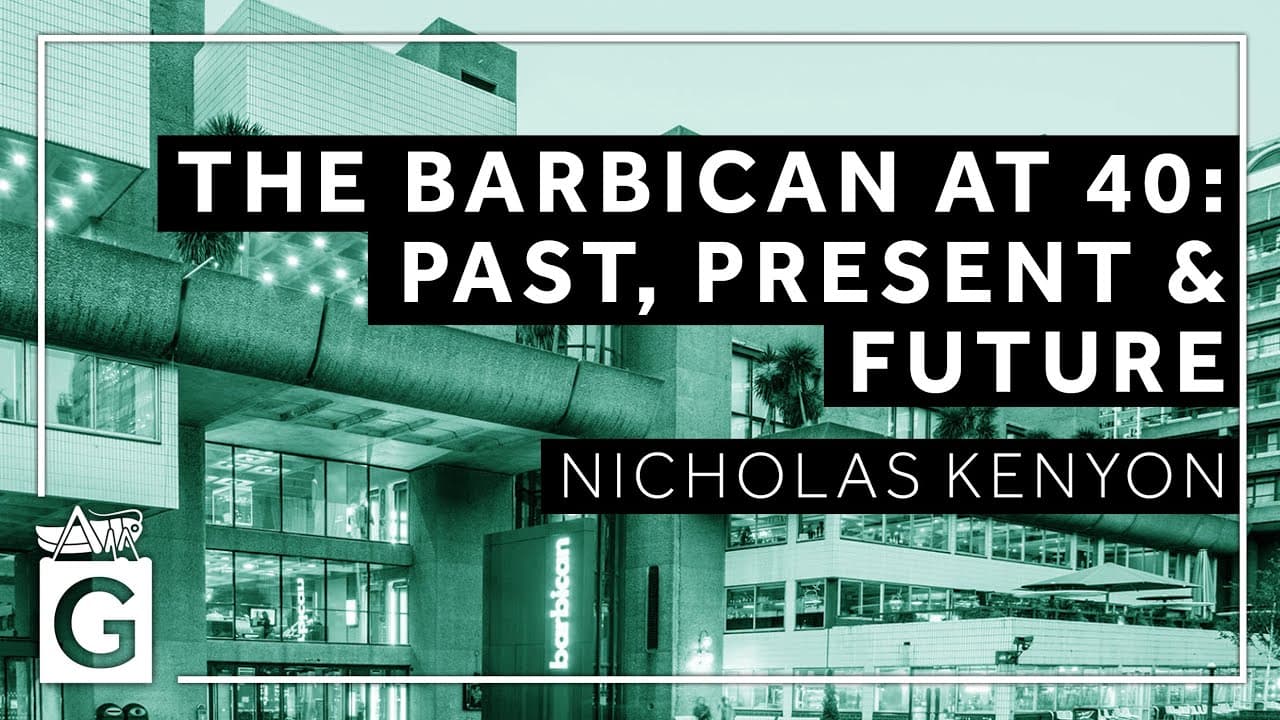
The Barbican Centre at 40 - Past, Present and Future
TL;DR
Explore the inception, development, and future prospects of the Barbican Art Centre.
Transcript
- The Barbican past, present and future, a dauntingly large subject. To set the tone, let's start with just a minute of film from 1969, as two earnest narrators ponder in quasi-Socratic dialogue, the future of the City. - [Narrator] I don't know. Times change, I admit, people too, I suppose, but an art center in the City, that's going a bit far, is... Read More
Key Insights
- 🥺 Origins post-WWII Blitz: City of London Corporation’s survival dilemma led to Barbican's inception.
- 🥰 Evolution to arts-centered hub: Cultural amenities gradually integrated into the residential-commercial scheme.
- ⚖️ Balancing challenges: Architects navigated residential requirements, artistic ambitions, and public connectivity dilemmas.
- ❓ Sustainability focus: Barbican Renewal Project prioritizes climate-sensitive strategies for future-proofing the Centre.
- 🪡 Resident-public balance: Constant dialogue with residents ensures harmonious integration of artistic activities with residential needs.
- ❓ Cultural Mile collaboration: Extending partnerships and collaboration with neighboring entities to enhance cultural vitality in the area.
Install to Summarize YouTube Videos and Get Transcripts
Explore YouTube Video Summarizer or Get YouTube Transcript Extractor
Questions & Answers
Q: What historical events prompted the creation of the Barbican Art Centre?
The devastation of the Blitz threatened the City of London Corporation’s survival, spurring the need for cultural and residential rejuvenation post-World War II.
Q: How did the focus on arts and culture evolve within the Barbican scheme?
Initially a residential and commercial project, the Barbican gradually integrated world-class cultural amenities, transforming into a unique estate with arts at its core.
Q: What challenges did the architects face in balancing architectural vision with public needs?
The architects struggled with residential-commercial debates, connectivity issues, and public acceptance, highlighting the complexities of urban planning and design.
Q: How has the Barbican adapted to modern challenges like climate change and sustainability?
Initiatives focus on sustainable practices, energy efficiency, and environmental responsibility, aligning the Centre with contemporary priorities for a greener future.
Summary & Key Takeaways
-
Barbican Art Centre originated post-Blitz to revitalize the declining City of London Corporation.
-
Vision shifted from residential-commercial balance to a unique blend of culture and education.
-
Overcoming challenges, the Centre now thrives as an international arts hub while adapting to modern needs.
Read in Other Languages (beta)
Share This Summary 📚
Summarize YouTube Videos and Get Video Transcripts with 1-Click
Try YouTube Summary with ChatGPT & Claude or YouTube Transcript Generator
Explore More Summaries from Gresham College 📚





Summarize YouTube Videos and Get Video Transcripts with 1-Click
Try YouTube Summary with ChatGPT & Claude or YouTube Transcript Generator