Why You're Always Tired - 7 Myths Ruining Your Sleep
TL;DR
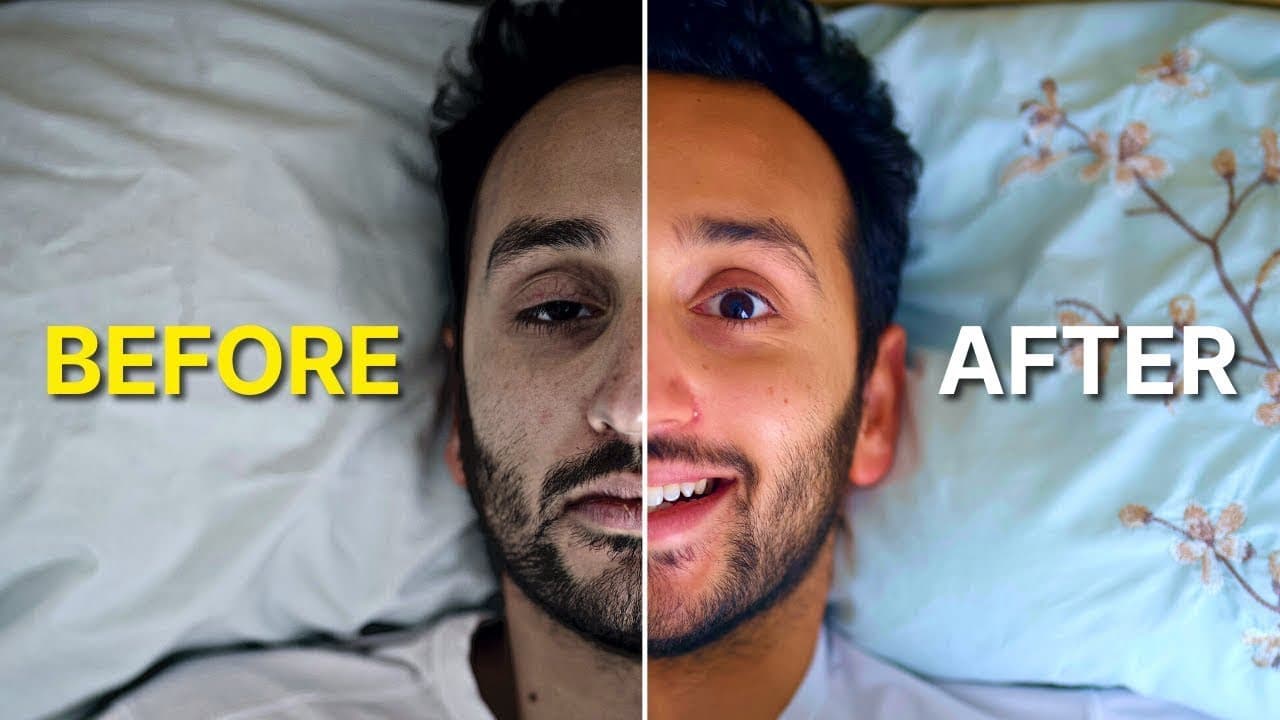
Sleep myths contribute to sleep anxiety, affecting our ability to sleep. A sleep expert debunks seven common sleep myths.
Transcript
if you're feeling like you're always tired you're not alone surveys have shown that on average adults in the US feel tired for three days of the week and 30 to 48 of adults have trouble sleeping but for a lot of us the problem isn't how much sleep we're getting it's actually the anxiety around our sleep caused by believing various myths which is wh... Read More
Key Insights
- 😪 Myth: It doesn't matter when you sleep, as long as you get enough. Fact: The Circadian rhythm plays a crucial role in overall health and well-being.
- 😪 Myth: Everyone needs eight hours of sleep. Fact: Sleep needs vary across individuals, and fixating on a specific number of hours may not be necessary.
- ⌛ Myth: Waking up at the same time every day is essential. Fact: While consistency in wake-up times helps regulate the Circadian rhythm, occasional deviations are acceptable.
- 🩵 Myth: Avoiding blue light before sleep helps with sleep quality. Fact: The impact of blue light on sleep is overstated, and its effects are minimal.
- 😪 Myth: Sleep apps are effective for improving sleep quality. Fact: Sleep app data should be taken with caution, as its accuracy and relevance to individual sleep needs are limited.
- 😪 Myth: Melatonin supplements enhance sleep quality. Fact: Melatonin's effectiveness in improving sleep is inconclusive, with studies showing varied results.
- 😪 Myth: Polyphasic sleep improves productivity. Fact: Splitting sleep into multiple sessions may lead to decreased productivity and creativity, as well as poorer performance in exams.
Install to Summarize YouTube Videos and Get Transcripts
Explore YouTube Video Summarizer or Get YouTube Transcript Extractor
Questions & Answers
Q: What is sleep anxiety, and how does it affect our ability to sleep?
Sleep anxiety is the feeling of fear or worry about sleep. Paradoxically, it contributes to being unable to sleep, creating a vicious cycle. Believing sleep myths can further exacerbate sleep anxiety.
Q: How does the Circadian rhythm impact our sleep?
The Circadian rhythm, our body's internal clock, plays a vital role in determining our sleep patterns. It signals to our body what it needs at a given time, with light being a significant factor. Disruptions to the Circadian rhythm, such as sleeping at odd times due to jet lag or night shifts, can lead to increased stress hormones, health risks, and cognitive problems.
Q: Is it necessary for everyone to get eight hours of sleep?
No, there is significant variation in the amount of sleep individuals need. While there is an average value, healthy sleep can range from six to ten or eleven hours. Instead of fixating on a specific number of hours, it's important to consider other factors like natural waking, level of alertness, and overall well-being.
Q: Do sleep apps help improve sleep quality?
Sleep tracking apps provide data on sleep patterns and quality, but their accuracy and effectiveness are debatable. Most sleep apps lack endorsement from sleep federations or FDA approval. Individual variations in sleep make it challenging for one algorithm to determine what constitutes good sleep.
Key Insights:
- Myth: It doesn't matter when you sleep, as long as you get enough. Fact: The Circadian rhythm plays a crucial role in overall health and well-being.
- Myth: Everyone needs eight hours of sleep. Fact: Sleep needs vary across individuals, and fixating on a specific number of hours may not be necessary.
- Myth: Waking up at the same time every day is essential. Fact: While consistency in wake-up times helps regulate the Circadian rhythm, occasional deviations are acceptable.
- Myth: Avoiding blue light before sleep helps with sleep quality. Fact: The impact of blue light on sleep is overstated, and its effects are minimal.
- Myth: Sleep apps are effective for improving sleep quality. Fact: Sleep app data should be taken with caution, as its accuracy and relevance to individual sleep needs are limited.
- Myth: Melatonin supplements enhance sleep quality. Fact: Melatonin's effectiveness in improving sleep is inconclusive, with studies showing varied results.
- Myth: Polyphasic sleep improves productivity. Fact: Splitting sleep into multiple sessions may lead to decreased productivity and creativity, as well as poorer performance in exams.
- Sleep myths contribute to sleep anxiety, further hindering quality sleep. Understanding the science behind sleep is crucial for improved sleep habits.
Summary & Key Takeaways
-
Many adults in the US feel tired for three days a week, with 30 to 48% having trouble sleeping due to sleep anxiety.
-
Sleep myths contribute to sleep anxiety, creating a vicious cycle that hinders quality sleep.
-
Sleep expert Professor Russell Foster debunks seven sleep myths, providing insights to help improve sleep quality.
Read in Other Languages (beta)
Share This Summary 📚
Summarize YouTube Videos and Get Video Transcripts with 1-Click
Try YouTube Summary with ChatGPT & Claude or YouTube Transcript Generator
Explore More Summaries from Ali Abdaal 📚






Summarize YouTube Videos and Get Video Transcripts with 1-Click
Try YouTube Summary with ChatGPT & Claude or YouTube Transcript Generator