Why Meal Plans Fail and What to Do Instead
TL;DR
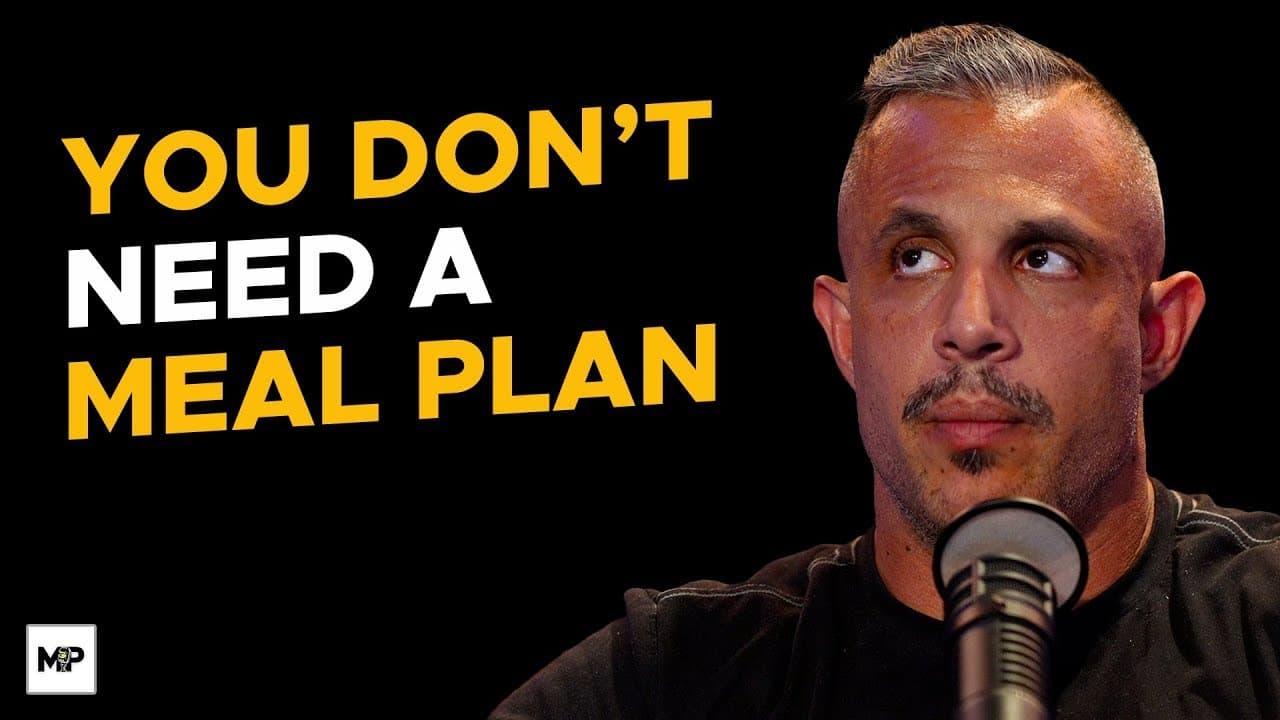
Meal plans often fail because they don't mimic real-life eating patterns and can lead to a poor relationship with food. Instead, focus on understanding your body's needs, making small adjustments, and learning sustainable eating habits that adapt to life's changes. This approach promotes long-term health and fitness success.
Transcript
one of the most common strategies with diet at least with coaches and trainers is give your clients a meal plan in today's episode we're going to talk about why meal plans suck this is a terrible diet strategy and the fail rate with meal plans is as high as it is with any other diet out there 85% of you probably more are going to gain the weight ba... Read More
Key Insights
- Meal plans have a high fail rate, with 85% of people regaining weight.
- Meal plans don't mimic real-life eating, which requires flexibility.
- Eating is connected to culture, emotion, and social interactions.
- Meal plans can lead to eating disorders and poor food relationships.
- A better approach is to track food intake and make small adjustments.
- Adding protein, fiber, and healthy fats can replace less healthy options.
- Understanding personal dietary needs helps adapt to life changes.
- Long-term success comes from learning sustainable habits, not strict plans.
Install to Summarize YouTube Videos and Get Transcripts
Explore YouTube Video Summarizer or Get YouTube Transcript Extractor
Questions & Answers
Q: Why do meal plans often fail?
Meal plans often fail because they don't mimic real-life eating patterns, which involve cultural, emotional, and social factors. They can lead to a poor relationship with food and are not sustainable long-term. Most people regain weight because meal plans don't teach them how to adapt their eating habits to life's changes.
Q: What are the risks of following a strict meal plan?
Following a strict meal plan can lead to a poor relationship with food and even eating disorders. It removes the joy and social experience of eating, leading to monotony and potential disordered eating patterns like orthorexia. Meal plans don't allow for flexibility, which is crucial for long-term success.
Q: How can I make my diet more sustainable?
To make your diet more sustainable, track your food intake to understand your current eating habits. Focus on making small changes, such as increasing protein or fiber intake, rather than following strict plans. This approach helps you learn sustainable habits that adapt to life's changes, promoting long-term health and fitness.
Q: Why is it important to understand personal dietary needs?
Understanding personal dietary needs is crucial because it allows you to adapt your eating habits to life's changes, such as aging, lifestyle shifts, or health goals. This knowledge helps you make informed dietary choices that support long-term health and fitness, rather than relying on unsustainable meal plans.
Q: What is a better alternative to meal plans?
A better alternative to meal plans is to track your food intake and make small, sustainable adjustments. Focus on adding healthy elements like protein, fiber, and healthy fats, which can naturally replace less healthy options. This approach promotes learning and adapting, which leads to long-term health success.
Q: How can small dietary changes lead to success?
Small dietary changes can lead to success by allowing you to gradually adapt to healthier eating habits without feeling overwhelmed. By focusing on small adjustments, such as increasing protein or fiber intake, you can make lasting changes that improve your health and fitness over time, without the rigidity of meal plans.
Q: What role does psychology play in dieting?
Psychology plays a significant role in dieting as it influences how we perceive and approach food. Meal plans often fail because they don't consider psychological factors like cultural, emotional, and social connections to eating. Understanding these factors helps create sustainable dietary habits that promote long-term success.
Q: Why is flexibility important in a diet?
Flexibility is important in a diet because it allows you to adapt to life's changes, such as different social situations, emotional states, or health goals. A flexible approach helps maintain a healthy relationship with food, making it easier to sustain dietary habits long-term and achieve lasting health and fitness results.
Summary & Key Takeaways
-
Meal plans often fail because they don't reflect real-life eating patterns, which involve cultural, emotional, and social factors. Instead of following strict plans, focus on understanding your body's needs and making small, sustainable adjustments. This approach leads to long-term health and fitness success.
-
Strict meal plans can lead to poor relationships with food and even eating disorders. A better strategy is to track your food intake, identify areas for improvement, and make small changes like increasing protein or fiber intake. This method helps you learn sustainable habits that adapt to life's changes.
-
The key to long-term dietary success is learning how to make small, sustainable changes rather than following strict meal plans. By understanding your body's needs and adapting your eating habits, you can achieve lasting health and fitness results without sacrificing the joy and social aspects of eating.
Read in Other Languages (beta)
Share This Summary 📚
Summarize YouTube Videos and Get Video Transcripts with 1-Click
Try YouTube Summary with ChatGPT & Claude or YouTube Transcript Generator
Explore More Summaries from Mind Pump Show 📚

Summarize YouTube Videos and Get Video Transcripts with 1-Click
Try YouTube Summary with ChatGPT & Claude or YouTube Transcript Generator