How to Optimize Sports Performance Using Biomechanics
TL;DR
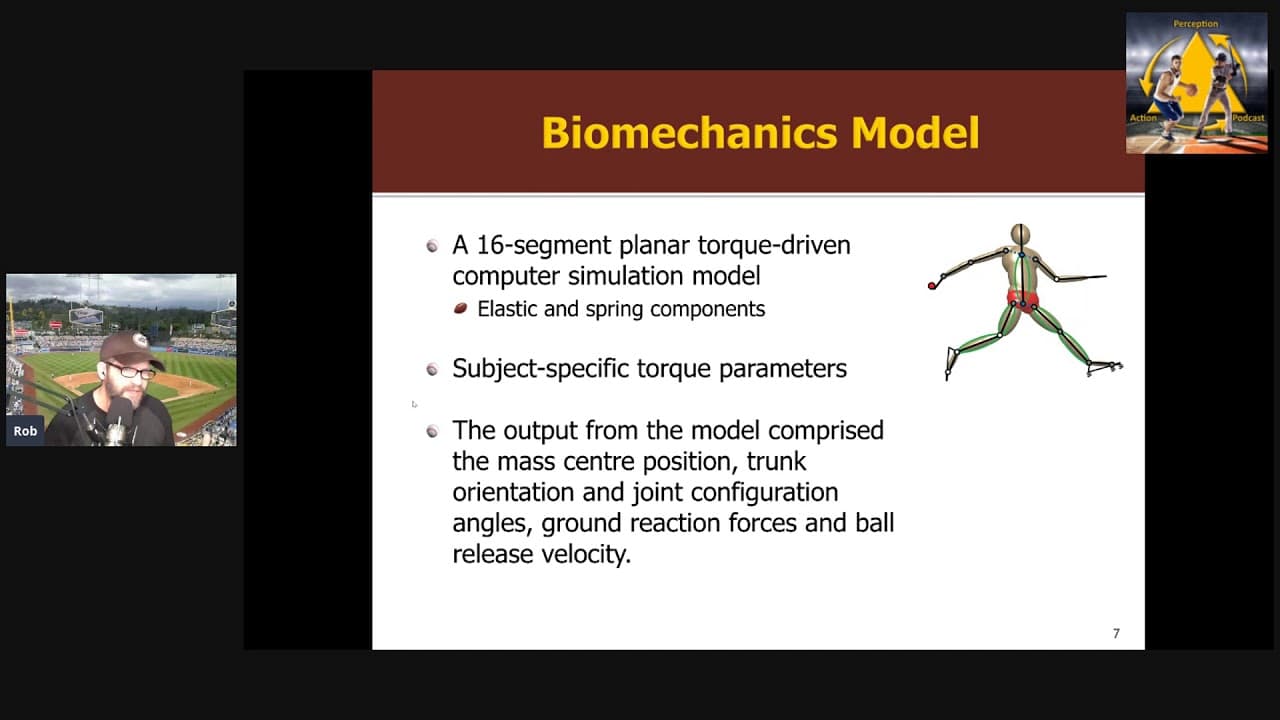
Optimizing sports performance involves using biomechanics to tailor techniques to individual athletes. By understanding personal constraints, such as joint angles and torque capabilities, athletes can find their optimal movement patterns. This approach challenges the idea of a single correct technique, suggesting instead that each athlete's optimal technique is unique based on their physical attributes and intrinsic dynamics.
Transcript
hi everybody this is rob gray from asu in the perception action podcast again back with another article review in today's article what i want to look at is the topic of measurement of performance in sports specifically what are we supposed to do with all the things we're measuring right we have so much capacity now to measure so many aspects of spo... Read More
Key Insights
- Biomechanics can measure various aspects of sports performance, such as joint angles and torques.
- There is no single optimal technique; each athlete's optimal technique depends on individual constraints.
- A biomechanics model can predict an athlete's optimal technique based on their unique physical attributes.
- Transition feedback helps guide athletes in searching for their optimal technique.
- A study on cricket bowlers showed that small biomechanical tweaks could significantly increase ball velocity.
- Intrinsic dynamics, or an athlete's natural coordination tendencies, influence the feasibility of adopting new techniques.
- Understanding intrinsic dynamics is crucial for effective technique changes in sports.
- The study highlighted challenges in implementing biomechanical optimizations in real-world training.
Install to Summarize YouTube Videos and Get Transcripts
Explore YouTube Video Summarizer or Get YouTube Transcript Extractor
Questions & Answers
Q: How can biomechanics optimize sports performance?
Biomechanics optimizes sports performance by measuring and analyzing an athlete's physical attributes, such as joint angles and torque capabilities, to tailor techniques to their unique constraints. This personalized approach helps athletes find their optimal movement patterns, enhancing performance and reducing the risk of injury by aligning techniques with their natural abilities and intrinsic dynamics.
Q: What role do intrinsic dynamics play in sports performance?
Intrinsic dynamics refer to an athlete's natural coordination tendencies, which influence how they organize their movements. These dynamics play a critical role in sports performance by determining the feasibility of adopting new techniques. Understanding an athlete's intrinsic dynamics helps coaches tailor training and feedback, ensuring that technique changes align with the athlete's natural movement patterns.
Q: Why is there no single optimal technique in sports?
There is no single optimal technique in sports because each athlete has unique physical constraints and intrinsic dynamics that influence their performance. Factors such as body mass, limb length, and torque capabilities vary among individuals, meaning that the most effective technique for one athlete may not be optimal for another. Personalized techniques based on these individual differences lead to better performance outcomes.
Q: How can biomechanics models predict optimal techniques?
Biomechanics models predict optimal techniques by inputting an athlete's specific physical parameters, such as joint angles, limb lengths, and force-generating capabilities, into a computational model. This model simulates various movement scenarios to identify adjustments that could enhance performance, such as increasing ball velocity in cricket. By analyzing these simulations, coaches can provide feedback tailored to the athlete's unique biomechanics.
Q: What challenges exist in implementing biomechanical optimizations?
Implementing biomechanical optimizations faces challenges such as accurately measuring individual constraints, ensuring that technique changes align with an athlete's intrinsic dynamics, and effectively communicating adjustments to athletes. Additionally, practical application requires developing training methods that help athletes internalize and consistently apply these optimized techniques in competitive settings, which can be complex and time-consuming.
Q: How does transition feedback support skill development?
Transition feedback supports skill development by providing athletes with information about the effectiveness of their movement changes. Instead of focusing solely on current performance, it guides athletes in their search for optimal techniques by indicating whether adjustments are moving them closer to better performance outcomes. This feedback helps athletes refine their techniques over time, enhancing skill acquisition and performance.
Q: What are the potential benefits of optimizing cricket bowling techniques?
Optimizing cricket bowling techniques can lead to significant performance improvements, such as increased ball velocity, which provides bowlers with a competitive edge by reducing the reaction time available to batters. Small biomechanical adjustments tailored to an individual bowler's constraints can enhance their delivery speed by up to 10%, translating to substantial gains in competitive performance and potential career advancement.
Q: What limitations did the study on cricket bowlers identify?
The study on cricket bowlers identified limitations such as the challenge of translating model predictions into real-world technique changes. While the biomechanics model predicted significant improvements in ball velocity, implementing these changes in practice requires overcoming intrinsic dynamics and ensuring that athletes can consistently apply the optimized techniques. The study highlights the need for further research to address these practical challenges.
Summary & Key Takeaways
-
The study reviewed explores using biomechanics to optimize individual sports performance by tailoring techniques to athletes' unique physical constraints. It challenges the idea of a single correct technique, suggesting that each athlete's optimal technique is unique. The study on cricket bowlers showed potential for significant improvements in performance through small biomechanical adjustments.
-
Biomechanics can measure various performance aspects and predict optimal techniques for athletes. The study demonstrated that understanding individual constraints, such as joint angles and torque capabilities, can guide athletes towards their optimal movement patterns. This approach emphasizes the importance of personalized feedback in sports training.
-
Intrinsic dynamics, or natural coordination tendencies, play a crucial role in determining the success of biomechanical optimizations. The study highlights the importance of understanding these dynamics to effectively implement technique changes in sports. While promising, the approach faces challenges in real-world application, particularly in adapting to athletes' existing coordination patterns.
Read in Other Languages (beta)
Share This Summary 📚
Summarize YouTube Videos and Get Video Transcripts with 1-Click
Try YouTube Summary with ChatGPT & Claude or YouTube Transcript Generator
Explore More Summaries from Rob Gray 📚
Summarize YouTube Videos and Get Video Transcripts with 1-Click
Try YouTube Summary with ChatGPT & Claude or YouTube Transcript Generator