How to Recognize Your Inherent Self-Worth
TL;DR
Self-worth is inherent and exists at 100% simply because you are alive. It is distinct from confidence, which relies on external achievements. Embracing all aspects of yourself, including perceived flaws, is essential to realizing and accepting your true worth without needing to prove it.
Transcript
Transcriber: Victoria Lu Reviewer: Melis Nisa How's your self-worth? If zero is no self-worth and ten is off the charts amazing self-worth, where would you be? If you were to ask me a few years ago, I would have told you that my self-worth is just fine. After all, I was successful. I had grown a company in an industry that didn't ex... Read More
Key Insights
- Self-worth is intrinsic and not dependent on external achievements or validation. It is a realization of one's inherent value simply because one exists.
- Perfectionism is an unattainable standard that often masks deeper insecurities and can lead to negative consequences, such as mental health issues.
- Confidence and self-worth are often confused. Confidence is about external abilities, while self-worth is about internal value.
- The belief of 'not being enough' is a common barrier to recognizing one's self-worth and can lead to a constant cycle of trying to prove one's value.
- Self-worth is not a scale from 0 to 10; it is always at 100% because it is based on existence, not achievements or external validation.
- Recognizing and accepting all aspects of oneself, including perceived flaws, is crucial to understanding and embracing one's full self-worth.
- Self-worth allows individuals to connect with their authentic power and realize their full potential without the need to constantly prove themselves.
- The journey to self-worth involves shifting mindsets, overcoming limiting beliefs, and embracing the duality of human nature.
Install to Summarize YouTube Videos and Get Transcripts
Explore YouTube Video Summarizer or Get YouTube Transcript Extractor
Questions & Answers
Q: What is the main difference between self-worth and confidence?
Self-worth is about recognizing one's inherent value as a person, independent of external achievements or validation. It is an internal state of being. In contrast, confidence is related to one's abilities, skills, and talents, and is often influenced by external circumstances. Confidence can fluctuate based on success or failure, while self-worth remains constant.
Q: How does perfectionism affect self-worth?
Perfectionism can negatively impact self-worth as it sets unattainable standards, leading individuals to constantly feel inadequate. This pursuit of perfection often masks deeper insecurities and can result in mental health issues, such as anxiety or eating disorders. By striving for perfection, individuals may fail to recognize their inherent value, which is not dependent on being perfect.
Q: Why is self-worth always at 100%?
Self-worth is always at 100% because it is based on the simple fact of existence. According to Kim, one's worth is not something that can be earned or diminished by external factors. It is an intrinsic quality that exists simply because one exists. This understanding shifts the focus from proving worth through achievements to recognizing inherent value.
Q: What role does the belief of 'not being enough' play in self-worth?
The belief of 'not being enough' acts as a significant barrier to recognizing self-worth. It drives individuals to constantly prove their value through achievements and external validation, leading to a cycle of doing without ever feeling truly worthy. This belief needs to be challenged and replaced with the understanding that worth is inherent and not conditional.
Q: How can one begin to embrace their self-worth?
Embracing self-worth begins with recognizing and accepting all aspects of oneself, including perceived flaws. It involves shifting mindsets, overcoming limiting beliefs, and understanding that worth is not tied to achievements. By accepting the duality of human nature and valuing oneself simply for existing, individuals can connect with their authentic power and realize their potential.
Q: What is the impact of confusing confidence with self-worth?
Confusing confidence with self-worth can lead to a reliance on external achievements for validation, causing self-worth to fluctuate with success or failure. This confusion may result in individuals feeling inadequate when they face challenges or setbacks, as they equate their worth with their abilities rather than understanding it as an inherent quality.
Q: How does recognizing self-worth affect personal growth?
Recognizing self-worth allows individuals to connect with their authentic power and align with their true potential. It frees them from the need to constantly prove themselves through achievements, enabling them to focus on personal growth and self-discovery. This understanding fosters a more fulfilling and empowered life, as individuals embrace their true selves and inherent value.
Q: What is the role of duality in understanding self-worth?
Duality plays a crucial role in understanding self-worth by highlighting the coexistence of perceived positive and negative traits within individuals. Accepting this duality allows individuals to recognize their full selves, including flaws and strengths. By embracing the whole of who they are, individuals can fully appreciate their inherent worth and move beyond the need for external validation.
Summary & Key Takeaways
-
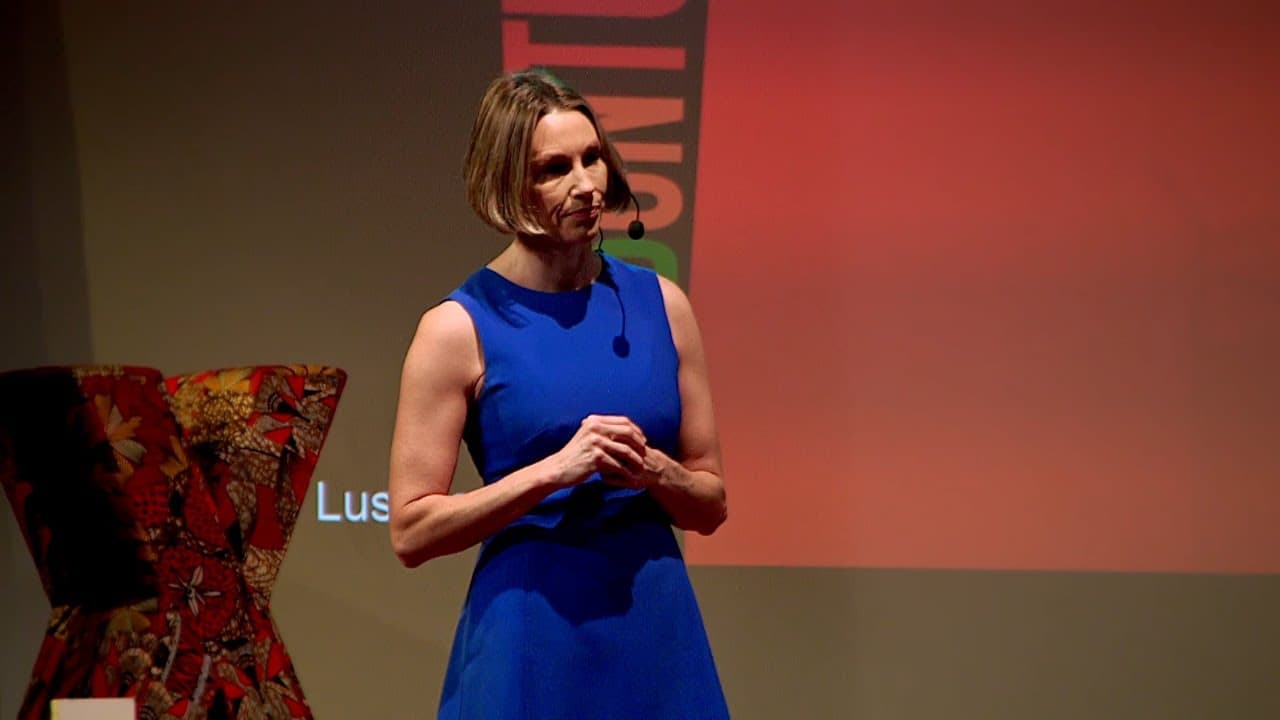
Kim Otteby discusses the difference between self-worth and confidence, emphasizing that self-worth is inherent and not tied to achievements or external validation. She shares her personal journey of striving for perfection and realizing her worth is intrinsic.
-
The talk highlights the dangers of perfectionism and the common confusion between self-worth and confidence. Kim explains that self-worth is about recognizing one's inherent value and not about external achievements.
-
Kim encourages the audience to embrace their true selves and recognize their inherent worth, which is always at 100%. She discusses the importance of accepting all parts of oneself to fully realize one's self-worth.
Read in Other Languages (beta)
Share This Summary 📚
Summarize YouTube Videos and Get Video Transcripts with 1-Click
Try YouTube Summary with ChatGPT & Claude or YouTube Transcript Generator
Explore More Summaries from TEDx Talks 📚






Summarize YouTube Videos and Get Video Transcripts with 1-Click
Try YouTube Summary with ChatGPT & Claude or YouTube Transcript Generator