How Trump wins press conferences
TL;DR
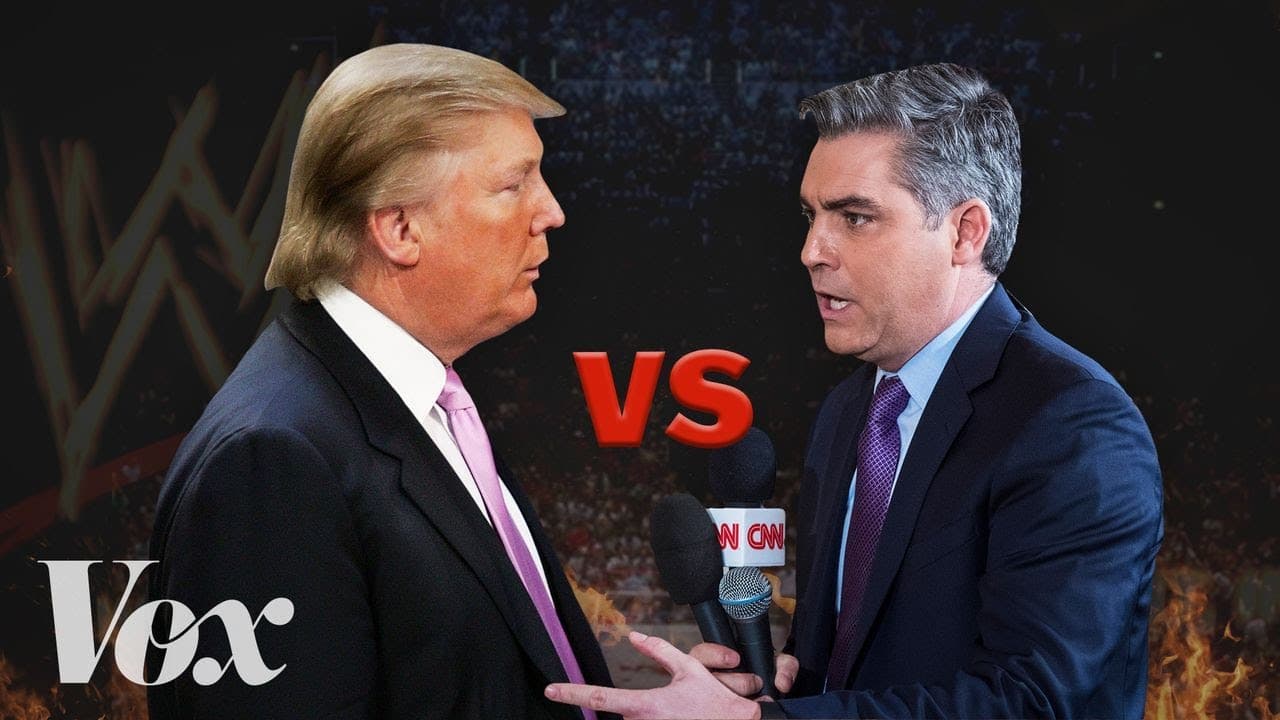
Trump uses press conferences as a spectacle to attack the media.
Transcript
Yeah. "Here we go." "Let's go, let's go, come on." "If you don't mind, Mr. President, that this caravan wasn't an invasion." Get him, Jim. Hit him with the truth. "Caravan was not an invasion, it's a group of migrants." "I consider it an invasion you and I have a difference of opinion." Oh snap, you gonna let that slide Jim? "Think you should let m... Read More
Key Insights
- Trump has transformed press conferences into spectacles, using them to stage confrontations with the media and energize his base.
- These events have become more about performance than information dissemination, with the media and Trump playing roles in a theatrical conflict.
- The introduction of television cameras in 1955 shifted press conferences towards being more about showmanship and less about accountability.
- Despite their spectacle, press conferences still hold symbolic value, representing the democratic ideal of government accountability to the public.
- Trump's strategy involves attacking the press as illegitimate, turning press conferences into rituals of hate rather than accountability.
- Journalists often become part of the spectacle, portrayed as heroic truth-seekers despite the lack of actual accountability achieved.
- The media benefits from the drama of these confrontations, with networks gaining viewership by framing them as battles between good and evil.
- The ritualistic nature of press conferences relies on mutual respect, which is undermined when Trump uses them to delegitimize the press.
Install to Summarize YouTube Videos and Get Transcripts
Explore YouTube Video Summarizer or Get YouTube Transcript Extractor
Questions & Answers
Q: How has Trump changed the nature of press conferences?
Trump has transformed press conferences into spectacles, using them to stage high-profile confrontations with the media. These events have become more about performance and creating a visual enemy for his base rather than disseminating information or holding the government accountable.
Q: What role does the media play in Trump's press conference strategy?
The media becomes part of the spectacle, often portrayed as heroic truth-seekers battling against Trump's attacks. Networks benefit from the drama, gaining viewership by framing these events as battles between good and evil, even though the actual accountability achieved is limited.
Q: Why do press conferences still hold symbolic value?
Press conferences symbolize the democratic ideal that the government must answer to the public. They represent a ritual act of communication, reaffirming that the president is accountable to the people, even if the actual dissemination of information is limited under Trump's administration.
Q: How did the introduction of television cameras affect press conferences?
The introduction of television cameras in 1955 shifted press conferences towards being more about showmanship and performance. This change made them more about putting on a good show rather than focusing solely on providing information and holding the government accountable.
Q: What is the impact of Trump's attacks on the media during press conferences?
Trump's attacks on the media during press conferences serve to delegitimize the press, turning these events into rituals of hate. This strategy undermines the symbolic value of press conferences as opportunities for accountability, instead framing the media as enemies to be defeated.
Q: Why does Trump continue to engage in press conferences despite attacking the media?
Trump continues to engage in press conferences because they provide a platform for him to stage confrontations and energize his base. These events allow him to create a visual enemy, the media, while simultaneously gaining attention and support from his followers.
Q: What challenges do journalists face in Trump's press conferences?
Journalists face the challenge of being part of a spectacle where actual accountability is limited. They often engage in performative confrontations with Trump, portrayed as heroic truth-seekers, but the events rarely result in substantive information or accountability from the administration.
Q: How can the symbolic value of press conferences be preserved?
The symbolic value of press conferences can be preserved by avoiding treating them as high-stakes struggles between heroes and villains. By refusing to engage in the spectacle and focusing on substantive questions, journalists can emphasize the importance of accountability over theatrical confrontation.
Summary & Key Takeaways
-
Trump has turned White House press conferences into spectacles of confrontation, using them to attack the media and energize his supporters. This shift has changed the symbolic value of these events, which traditionally represented government accountability.
-
The introduction of television cameras in 1955 turned press conferences into performances, with both the White House and reporters engaging in theatrical confrontations. This performative nature has intensified under Trump, who uses these events to delegitimize the press.
-
Despite the spectacle, press conferences still symbolize democratic accountability. However, Trump's strategy of attacking the media undermines this value, turning these events into rituals of hate rather than opportunities for holding the government accountable.
Read in Other Languages (beta)
Share This Summary 📚
Summarize YouTube Videos and Get Video Transcripts with 1-Click
Try YouTube Summary with ChatGPT & Claude or YouTube Transcript Generator
Explore More Summaries from Vox 📚

Summarize YouTube Videos and Get Video Transcripts with 1-Click
Try YouTube Summary with ChatGPT & Claude or YouTube Transcript Generator