Fathers and Work Family Balance

TL;DR
This analysis explores the challenges and benefits of fatherhood involvement and work-life balance, highlighting the differences in perception, stigmas, and career consequences for working fathers.
Transcript
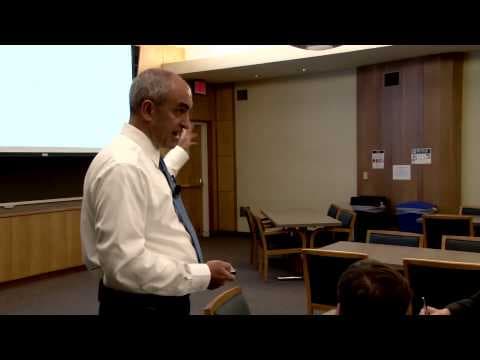
welcome to the women in public policy program seminar series podcast at the Harvard Kennedy School we had a very successful semester so it's a really great community of people that come together many of you know us already where the women in public policy program a Research Center here in the Kennedy School includes gender gas and Economic Opportun... Read More
Key Insights
- ⚡ Fatherhood involvement is influenced by factors such as education level, occupation, and age, with fathers from higher education and specific occupations devoting more time to their children.
- 👨 Fathers perceive various skills learned at work, such as organization, people management, and cultural capital, which positively impact their role as fathers.
- 😀 Working fathers may face stigmas, lack of support, and concerns about negative career consequences when attempting to balance work and family life.
- 🖤 Flexibility options may not be utilized by fathers due to societal norms, concerns about career implications, and perceived lack of legitimacy in using such options for family reasons.
Install to Summarize YouTube Videos and Get Transcripts
Explore YouTube Video Summarizer or Get YouTube Transcript Extractor
Questions & Answers
Q: Do fathers perceive a difference between basic childcare activities and quality time spent with their children?
Yes, fathers distinguish between activities like feeding and dressing (basic care) and activities like teaching, playing, and bonding (quality time), acknowledging the importance of both but often feeling more fulfilled by quality time interactions.
Q: How does occupation impact fatherhood involvement and work-family balance?
Fathers in higher professional positions tend to report higher levels of enrichment and may have more flexibility and resources to devote to their children. However, there are exceptions, and occupation does not necessarily dictate fatherhood involvement.
Q: What are some barriers that working fathers face in using flexible work options?
Some barriers include the anticipation of negative career consequences, lack of legitimacy in using flexible options for family reasons, and concerns about the impact on their own image and professional identity. Some fathers also perceive using flexibility as a sign of reduced dedication or commitment to work.
Q: How do societal norms and the notion of the ideal worker impact fathers' work-life balance?
Fathers often feel the pressure to conform to traditional gender norms and the ideal worker image, which may lead to hesitation in using flexible options and concerns about the impact on their career. The notion of the ideal worker still exists in many workplaces, reinforcing gender roles and expectations.
Summary & Key Takeaways
-
The first study focuses on predictors of fatherhood involvement, finding that fathers with higher education levels and certain occupations devote more time to their children.
-
The second study examines the positive side of work-family balance and identifies specific skills fathers perceive to have been developed at work, which positively impact their role as fathers.
-
The third study explores the career consequences working fathers may face when trying to balance work and family life, including stigma, lack of support, and negative perceptions of using flexible options.
Read in Other Languages (beta)
Share This Summary 📚
Summarize YouTube Videos and Get Video Transcripts with 1-Click
Try YouTube Summary with ChatGPT & Claude or YouTube Transcript Generator
Explore More Summaries from Harvard University 📚





Summarize YouTube Videos and Get Video Transcripts with 1-Click
Try YouTube Summary with ChatGPT & Claude or YouTube Transcript Generator