"No"
TL;DR
Despite enduring four years of brutal torture at the hands of Nazi interrogators, Norwegian Resistance leader Lauritz Sand refused to give up any information, becoming a symbol of defiance and survival.
Transcript
From September of 1941 through May of 1945, Norwegian Resistance pioneer Lauritz Sand was alternately beaten and broken, then treated, then beaten again by Nazi interrogators. And despite enduring four years of the hardest torture they could dole out, all while in his 60s, he steadfastly refused to tell them anything. In response to the horrors of ... Read More
Key Insights
- 🖤 Norway's lack of military preparedness in 1940 made resistance efforts challenging.
- 🎖️ Resistance movements in Norway included military campaigns, sabotage, intelligence gathering, and smuggling operations.
- 💦 Lauritz Sand's intelligence work and leadership in the XU group were crucial to the resistance.
- 🤬 Sand's unyielding refusal to disclose information despite torture made him a symbol of resilience for the Norwegian Resistance.
- 🇩🇪 The Norwegian Resistance's efforts contributed to the ultimate defeat of Nazi Germany.
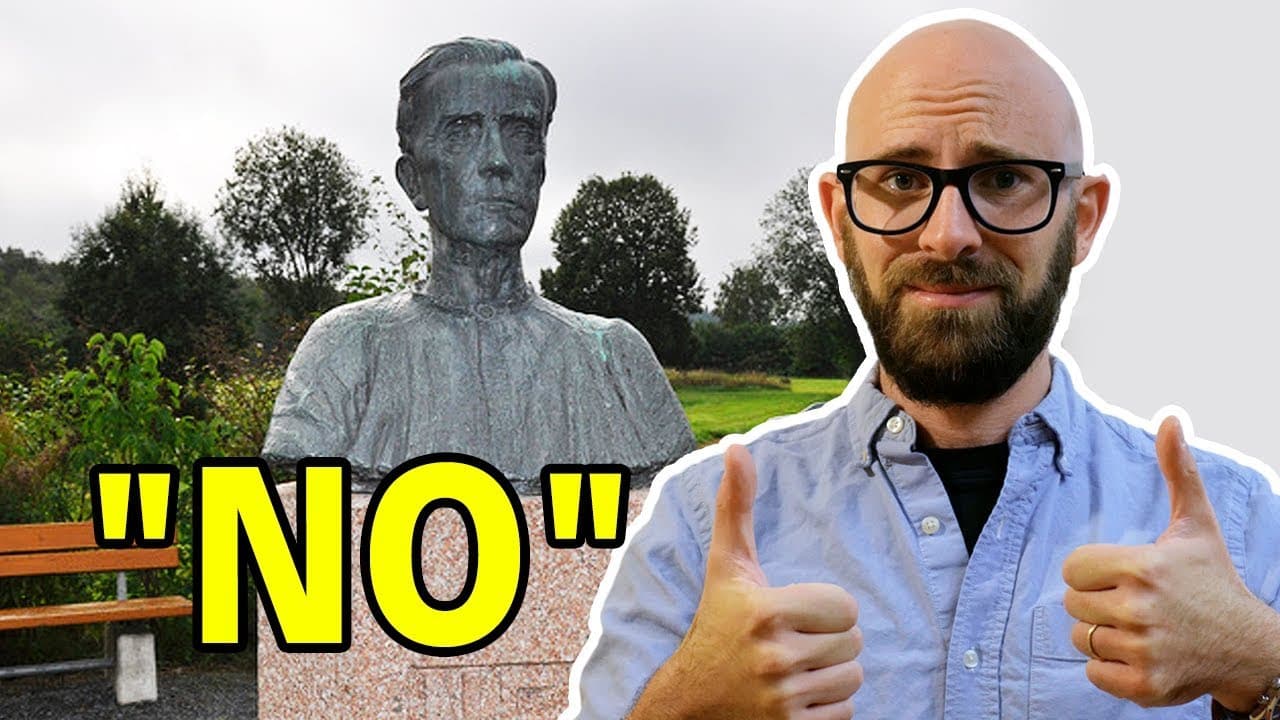
- 🧔 Sand was recognized for his bravery, awarded a prestigious Norwegian order, and memorialized with a bust bearing the word "No."
- 🧑🚒 The story of Lauritz Sand highlights the immense sacrifices and determination of individuals in fighting against oppression.
Install to Summarize YouTube Videos and Get Transcripts
Explore YouTube Video Summarizer or Get YouTube Transcript Extractor
Questions & Answers
Q: What role did Norway's government and people play in resisting German occupation?
Norway's government and king successfully evaded German control and the country's people engaged in various acts of resistance, including military campaigns, sabotage, and intelligence gathering.
Q: How did Lauritz Sand contribute to the Norwegian Resistance?
Sand, a former military officer, helped found XU, a covert intelligence gathering group. He gathered crucial information on German military targets, among other intelligence activities.
Q: How did Sand become a symbol of defiance for the Norwegian Resistance?
Despite enduring severe torture for four years, Sand never divulged any information to his captors, inspiring others in the resistance movement and becoming a symbol of absolute refusal to cooperate.
Q: What happened to Sand after the war?
Although scheduled for execution, Sand was spared as the Nazis surrendered. He was awarded the Royal Norwegian Order of St. Olav and died in 1956.
Summary & Key Takeaways
-
Norway was ill-prepared for the German invasion in 1940, but its government and people engaged in active resistance, including military campaigns, sabotage, and intelligence gathering.
-
Lauritz Sand, a former military officer and successful businessman, joined the resistance and helped found XU, a covert intelligence gathering group working for the Allies.
-
Sand endured relentless torture and refused to disclose any information, becoming a symbol of resilience and defiance for the Norwegian Resistance.
Read in Other Languages (beta)
Share This Summary 📚
Summarize YouTube Videos and Get Video Transcripts with 1-Click
Try YouTube Summary with ChatGPT & Claude or YouTube Transcript Generator
Explore More Summaries from Today I Found Out 📚






Summarize YouTube Videos and Get Video Transcripts with 1-Click
Try YouTube Summary with ChatGPT & Claude or YouTube Transcript Generator