The #1 Most Underrated Habit To Get Lean (Starting At 30% Body Fat) | Mind Pump 2434
TL;DR
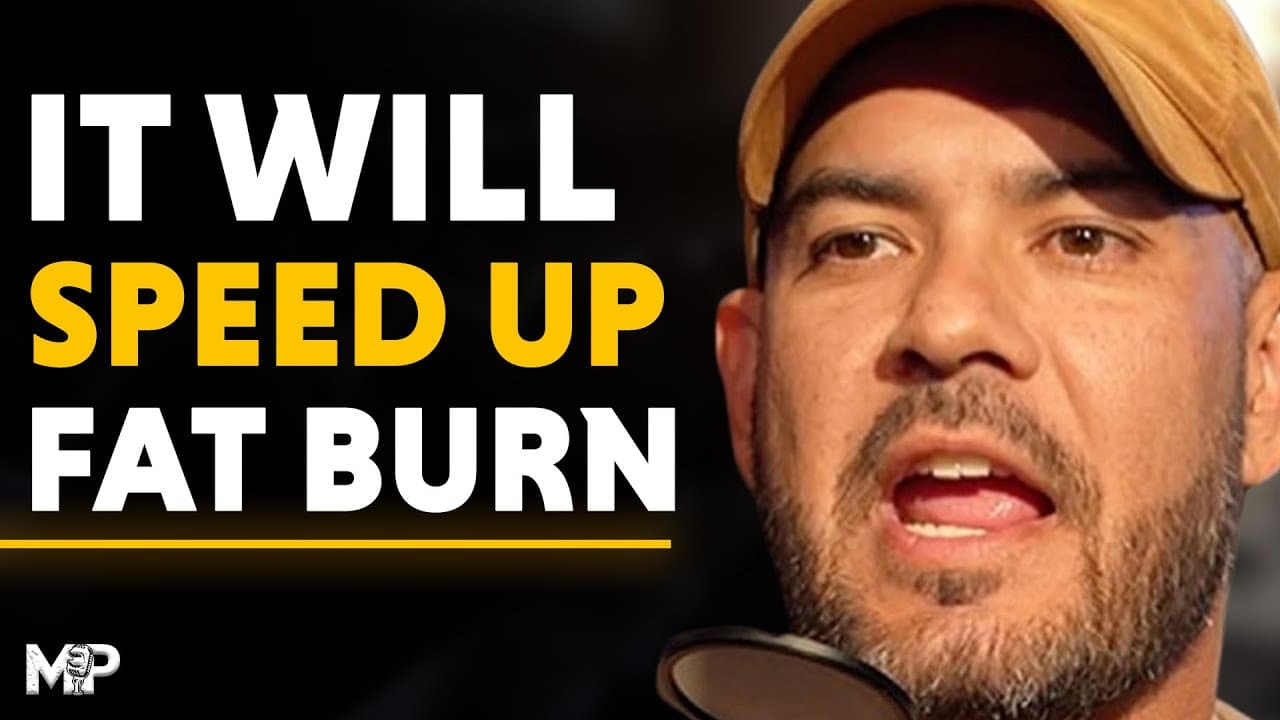
Eat protein first to reduce calorie intake and boost fat loss.
Transcript
if you're at 30% body fat here is one Musto hack that will improve your health and get you leaner you ready when you're eating your meals eat the protein first then eat the vegetables and then eat the rest that simple eating order tends to cause people to eat less in fact it's pretty successful my my experience it works almost every time and most p... Read More
Key Insights
- Eating protein first during meals can significantly reduce calorie intake by enhancing satiety, leading to fat loss.
- The order of food consumption affects appetite; starting with protein and vegetables helps control overall calorie intake.
- Behavioral psychology plays a role in eating habits; prioritizing protein doesn't feel restrictive and supports weight management.
- Traditional eating habits often promote overeating; reversing the order can help manage weight more effectively.
- Cultural norms and restaurant practices encourage higher calorie consumption by serving carbs first.
- Changing the order of food intake can lead to consuming fewer calories and increasing protein intake naturally.
- Increasing daily protein intake while reducing calories can lead to fat loss and muscle gain, especially with strength training.
- Parental challenges include raising children differently than societal norms to promote healthier lifestyles.
Install to Summarize YouTube Videos and Get Transcripts
Explore YouTube Video Summarizer or Get YouTube Transcript Extractor
Questions & Answers
Q: What is the main benefit of eating protein first during meals?
Eating protein first during meals enhances satiety, which means you'll feel fuller sooner. This can lead to a significant reduction in overall calorie intake, making it easier to manage weight and promote fat loss. Protein is the most satiating macronutrient, so starting with it helps control hunger and cravings.
Q: How does the order of food consumption affect appetite?
The order in which you consume food affects how full you feel and how much you eat overall. Starting with protein and non-starchy vegetables increases satiety and reduces the likelihood of overeating. This order helps control appetite and encourages consuming fewer calories, which can support weight loss efforts.
Q: Why is prioritizing protein intake not considered restrictive?
Prioritizing protein intake isn't considered restrictive because it doesn't involve cutting out foods you enjoy. Instead, it focuses on the order of consumption, allowing you to still enjoy all parts of your meal. This approach aligns with natural hunger signals and doesn't feel like a traditional diet, helping maintain a sustainable eating pattern.
Q: How do traditional eating habits influence calorie consumption?
Traditional eating habits often involve starting meals with carbohydrates, which can stimulate appetite and lead to higher calorie consumption. By reversing this order and eating protein and vegetables first, you can enhance satiety and reduce overall calorie intake, making it easier to manage weight and promote fat loss.
Q: What role does cultural influence play in eating habits?
Cultural influences often dictate the order of food consumption, encouraging higher calorie intake by serving carbs first. This practice can lead to overeating and weight gain. Understanding and reversing these cultural norms by starting with protein can help manage weight more effectively and align eating habits with health goals.
Q: How can increasing protein intake lead to fat loss and muscle gain?
Increasing protein intake supports muscle maintenance and growth, especially when combined with strength training. Protein has a high thermic effect, meaning it requires more energy to digest, which can enhance fat loss. By consuming more protein, you can build muscle, burn more calories, and improve body composition.
Q: What challenges do parents face in raising healthy children?
Parents often face challenges in raising healthy children due to societal norms that promote less healthy lifestyles. Encouraging kids to adopt healthier habits, such as prioritizing nutritious foods and staying active, can make them feel different from their peers. Parents need to communicate the value of these habits and create a supportive environment.
Q: How can one balance gaining lower body mass while defining abs?
Balancing lower body mass gain with defining abs involves a strategic approach to nutrition and exercise. A slight calorie surplus with a focus on protein intake can support muscle growth in the lower body. Simultaneously, incorporating strength training and maintaining a moderate calorie intake can help define abs without significant fat gain.
Summary & Key Takeaways
-
The podcast discusses the benefits of eating protein first in meals to enhance satiety and reduce overall calorie intake, which can aid in fat loss. This simple habit can lead to significant changes in body composition, especially for those starting with higher body fat percentages.
-
The behavioral aspect of eating habits is highlighted, emphasizing that prioritizing protein doesn't feel restrictive and can naturally lead to consuming fewer calories. This approach aligns with traditional eating practices that often encourage overeating by serving carbs first.
-
The conversation extends to cultural and psychological aspects of eating, noting that reversing the traditional order of food consumption can help manage weight. The episode also touches on the challenges of parenting and raising children with healthier habits amidst societal norms.
Read in Other Languages (beta)
Share This Summary 📚
Summarize YouTube Videos and Get Video Transcripts with 1-Click
Try YouTube Summary with ChatGPT & Claude or YouTube Transcript Generator
Explore More Summaries from Mind Pump Show 📚


Summarize YouTube Videos and Get Video Transcripts with 1-Click
Try YouTube Summary with ChatGPT & Claude or YouTube Transcript Generator