Fracking Revolution Transforming the Global Energy Landscape
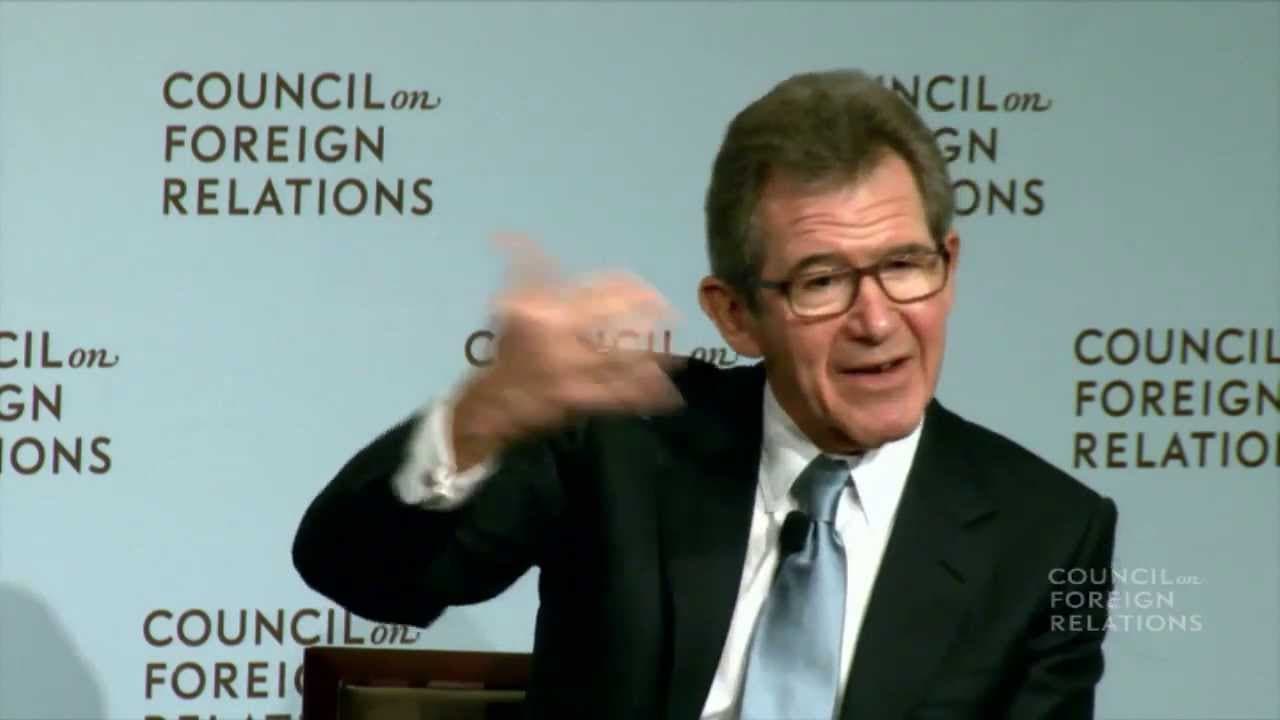
TL;DR
Fracking has revolutionized U.S. energy, impacting global markets.
Transcript
MODERATOR: Hello, everyone. Good afternoon. Could I have your attention? Thank you. We're about to get started. Just a few quick announcements. A reminder, today's meeting is on the record. It is being streamed live on CFR.org and on the Council's YouTube channel. Finally, if you could take this moment, check your cell phones and electronic devices... Read More
Key Insights
- Fracking, combined with horizontal drilling, has significantly increased U.S. oil and gas production, transforming the global energy landscape.
- The U.S. energy boom has led to a substantial increase in domestic oil production, reducing the need for imports and impacting the global oil market.
- Despite the U.S. energy boom, global energy demands, particularly from China and India, continue to rise, influencing oil prices.
- Environmental concerns about fracking persist, but with proper regulation and technology, its negative impacts can be minimized.
- The U.S. energy boom presents economic benefits, including job creation and a positive impact on the balance of payments.
- Other countries with shale reserves face challenges replicating the U.S. success due to different regulatory, legal, and technical environments.
- The energy boom may not lead to U.S. retrenchment from the Middle East due to the interconnected nature of global oil markets.
- Renewable energy sources are growing, but their future success depends on further technological advancements and cost reductions.
Install to Summarize YouTube Videos and Get Transcripts
Explore YouTube Video Summarizer or Get YouTube Transcript Extractor
Questions & Answers
Q: What is fracking and how has it transformed the energy industry?
Fracking, or hydraulic fracturing, involves injecting water and sand at high pressure to create pathways in rock formations, allowing oil and gas to flow out. When combined with horizontal drilling, it has significantly increased U.S. oil and gas production, transforming the global energy landscape by reducing dependency on foreign oil and impacting global markets.
Q: What are the economic impacts of the U.S. energy boom?
The U.S. energy boom has led to increased domestic oil production, reducing the need for imports and improving the balance of payments. It has created jobs, lowered energy costs, and provided a competitive advantage to industries reliant on petrochemicals. This has contributed to GDP growth and economic stability.
Q: How does the U.S. energy boom affect global oil prices?
The U.S. energy boom contributes to increased global oil supply, potentially lowering prices. However, global demand, particularly from developing countries, continues to rise. Political and economic factors, such as OPEC's production decisions and geopolitical tensions, also influence oil prices, making precise predictions challenging.
Q: What environmental concerns are associated with fracking?
Fracking raises concerns about water usage, contamination of water tables, and methane emissions. However, with proper regulation, technology, and industry practices, these impacts can be minimized. Ensuring independent, qualified regulators and adherence to best practices are crucial for mitigating environmental risks.
Q: Why haven't other countries replicated the U.S. success in fracking?
Other countries face challenges such as different regulatory environments, legal ownership issues, and lack of infrastructure. The U.S. benefits from a favorable regulatory and legal framework, as well as technological expertise and a competitive market, which are not easily replicable in other regions.
Q: Can the U.S. energy boom lead to retrenchment from the Middle East?
Despite increased domestic production, the U.S. remains part of the interconnected global oil market. Supply disruptions in the Middle East can still impact U.S. oil prices. Moreover, geopolitical interests, such as counterterrorism and nuclear non-proliferation, necessitate continued U.S. engagement in the region.
Q: What role do renewable energy sources play in the current energy landscape?
Renewable energy sources, like solar and wind, are growing and now produce more electricity globally than nuclear energy. However, their widespread adoption depends on further technological advancements and cost reductions. Subsidies and strategic investments can support this transition, but economic viability remains a challenge.
Q: How does the U.S. energy boom impact geopolitics?
The U.S. energy boom strengthens its geopolitical position by reducing dependency on foreign oil and providing economic leverage. It impacts global oil markets, influencing the strategies of oil-dependent countries. However, it also necessitates careful management of international relations, particularly with regions like the Middle East.
Summary & Key Takeaways
-
The U.S. energy landscape has been transformed by advances in fracking and horizontal drilling, leading to increased oil and gas production. This boom has significant economic and geopolitical implications, including job creation and reduced dependency on foreign oil.
-
Environmental concerns about fracking remain, but with proper regulation and technology, its impacts can be mitigated. The U.S. energy boom has also influenced global oil prices and has potential implications for international relations, particularly with oil-dependent regions.
-
While the U.S. benefits economically from the energy boom, other countries with shale reserves face challenges in replicating this success. Renewable energy sources continue to grow, but their future depends on technological advancements and cost reductions.
Read in Other Languages (beta)
Share This Summary 📚
Summarize YouTube Videos and Get Video Transcripts with 1-Click
Try YouTube Summary with ChatGPT & Claude or YouTube Transcript Generator
Explore More Summaries from Council on Foreign Relations 📚


Summarize YouTube Videos and Get Video Transcripts with 1-Click
Try YouTube Summary with ChatGPT & Claude or YouTube Transcript Generator