How Can Cells Revolutionize Future Medicine?
TL;DR
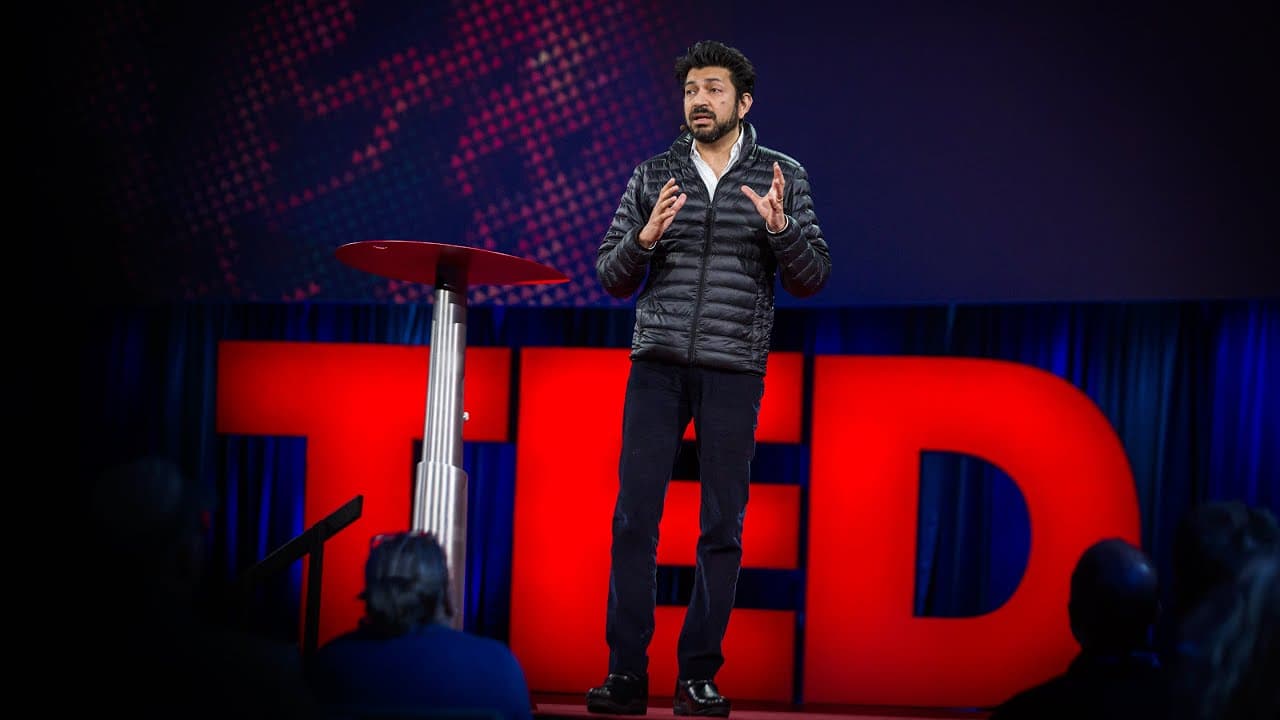
Future medicine may focus on treating diseases with cells instead of pills, emphasizing healing and growth rather than destruction. Siddhartha Mukherjee proposes a hierarchical approach, starting with cellular therapies before progressing to organ and environmental treatments, which could lead to personalized solutions for chronic diseases. This shift could redefine our understanding of illness treatment and overall health.
Transcript
I want to talk to you about the future of medicine. But before I do that, I want to talk a little bit about the past. Now, throughout much of the recent history of medicine, we've thought about illness and treatment in terms of a profoundly simple model. In fact, the model is so simple that you could summarize it in six words: have disease, take pi... Read More
Key Insights
- 💊 Antibiotics revolutionized medicine by treating infectious diseases with targeted medications, but this model has limited success in treating noninfectious diseases like diabetes and heart disease.
- 💉 Only 0.025% of chemical reactions in the human body can be targeted by current medications, leaving the majority of bodily processes untouched by traditional pharmaceuticals.
- 🔬 A hierarchical approach to medicine, starting at the level of cells and moving up to organs and environments, could offer new perspectives for understanding and treating illnesses.
- 🌱 Stem cells found in the body have the potential to regenerate and repair damaged tissues, offering a new avenue for developing therapies for degenerative diseases like osteoarthritis.
- 🧪 The future of medicine may involve personalizing treatments at the cellular and organ levels, tailor-made for an individual's specific genetic makeup and physiological needs.
- 🌍 Changing the metaphor of medicine from "killing something" to "growing something" could shift our thinking towards new approaches to treating chronic diseases and improving overall health.
- 🧠 In diseases like depression and neurodegenerative disorders, rewiring and remodelling the brain through talk therapy shows promise for improving outcomes compared to medications alone.
- 🔬 The future of medicine may involve not just designing powerful drugs, but also developing new mechanisms, models, and metaphors to enhance our understanding and treatment of illnesses.
Install to Summarize YouTube Videos and Get Transcripts
Explore YouTube Video Summarizer or Get YouTube Transcript Extractor
Questions & Answers
Q: What is the dominant model of illness and treatment in the history of medicine?
The dominant model of illness and treatment in the history of medicine is summarized in the six-word phrase "have disease, take pill, kill something."
Q: What led to the dominance of this model?
The dominance of the "have disease, take pill, kill something" model is attributed to the antibiotic revolution, which began 100 years ago with the introduction of antibiotics into the United States. The success of antibiotics in curing or treating fatal diseases created a seductive and potent metaphor of "lock and key" and killing microbes, leading to the widespread adoption of this model in medicine.
Q: What percentage of all chemical reactions in the human body can be targeted by medicinal chemistry?
Only 0.025 percent of all chemical reactions in the human body can be targeted by medicinal chemistry. This means that out of the million chemical reactions in the human body, only about 250 are actually targetable by the lock and key mechanism commonly used in medicine.
Q: How does the hierarchical model of the natural world offer a different perspective on illness?
The hierarchical model of the natural world, which starts with cells and builds upwards to organs, humans, and environments, offers a different perspective on illness. By framing illness in this way, it allows for a focus on cellular diseases and the potential for interventions at the cellular level, rather than solely relying on the "have disease, take pill, kill something" model.
Q: What potential does stem cell research hold for the future of medicine?
Stem cell research holds significant potential for the future of medicine. By harnessing stem cells, it may be possible to create personalized cell therapies and even grow organs outside the body for transplantation. Stem cells have already shown promise in repairing bone fractures and addressing diseases like osteochondral arthritis.
Q: How might the future of medicine shift its focus from killing something to growing something?
The future of medicine could shift its focus by reframing the metaphor from killing something to growing something. This shift would involve exploring treatments that stimulate growth, regeneration, and repair in the body. In addition to cellular and organ therapies, it could involve considering the role of environments as medicines, as observed in the practices of shamans in various cultures.
Summary & Key Takeaways
-
In the past, medicine has primarily focused on a model of treating illness with pills or drugs. This model was successful in treating infectious diseases but has limitations in noninfectious and chronic diseases.
-
The future of medicine lies in a hierarchical model, starting at the cellular level and progressing to organs, organisms, and environments. This shift in thinking allows for new approaches, such as using the immune system to combat cancer or creating anti-carcinogenic environments.
-
Personalized medicine will involve personalized cellular therapies, organ or organismal therapies, and even immersion therapies for the environment. The focus will be on growing and repairing rather than killing.
Read in Other Languages (beta)
Share This Summary 📚
Summarize YouTube Videos and Get Video Transcripts with 1-Click
Try YouTube Summary with ChatGPT & Claude or YouTube Transcript Generator
Explore More Summaries from TED 📚




Summarize YouTube Videos and Get Video Transcripts with 1-Click
Try YouTube Summary with ChatGPT & Claude or YouTube Transcript Generator