What Challenges Do Migrant Workers Face in Qatar?
TL;DR
Migrant workers in Qatar endure low wages, poor living conditions, and long working hours, primarily due to the exploitative kafala system that ties them to their employers. This sponsorship system restricts their freedom and rights, leaving many trapped in difficult situations, while international pressure continues to call for reforms and better protections for these workers.
Transcript
has lost one of her children her youngest son only reached the age of 32. my little brother was my closest Companion now I'll never see him again died far away from his homeland Bangladesh as a migrant worker in Qatar has to take care of her mother these days the 65 year old is weaker than usual it's the anniversary of the death of sujan her younge... Read More
Key Insights
- 😘 Migrant workers in Qatar face exploitative working conditions, including long hours, low wages, and limited freedoms.
- 🧑⚕️ The kafala system, which ties workers to their sponsors, contributes to the vulnerability and lack of rights of migrant workers.
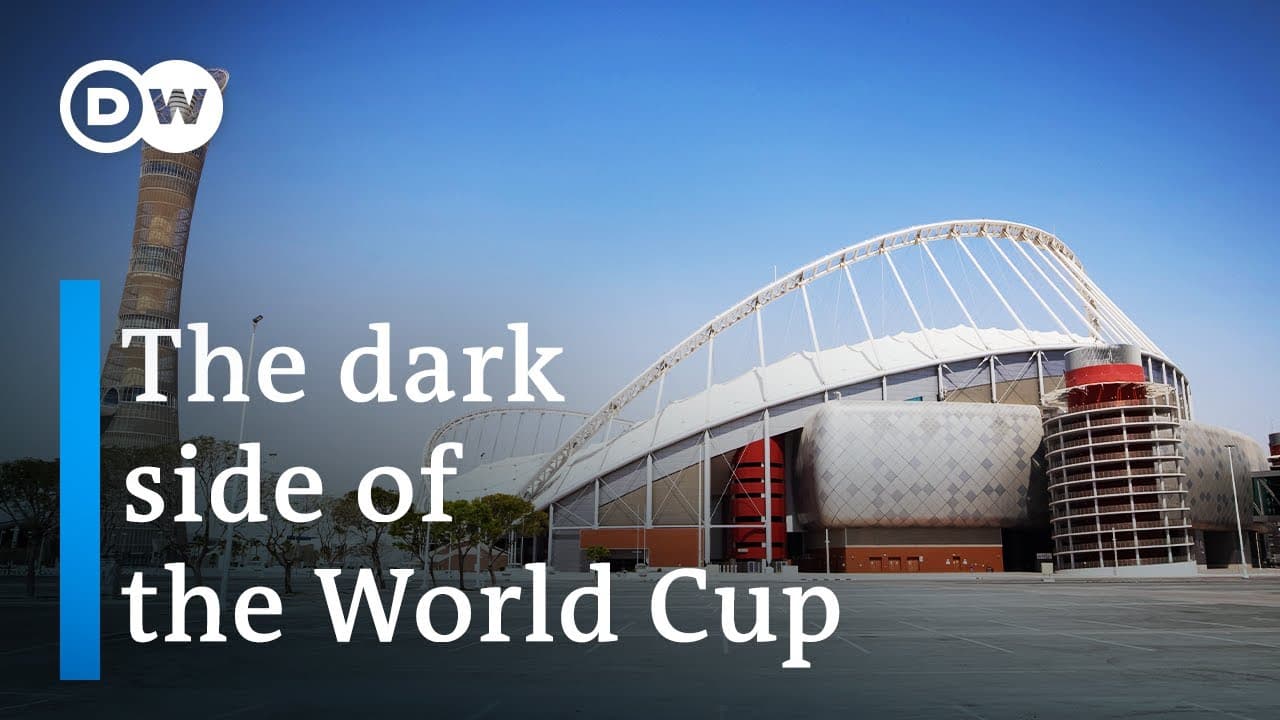
- 👻 Qatar's wealth and status as host of the upcoming World Cup shine a spotlight on its human rights issues and the need for reforms.
- 🤙 Organizations like Amnesty International and migrant advocates are calling for increased protections and a compensation fund for workers.
- 🥶 Qatar's lack of social freedoms, such as freedom of speech, free media, and free elections, further highlight human rights concerns.
- 🫸 Pressure from international organizations and stakeholders, such as FIFA, can push for improvements in workers' rights and conditions.
- 🖐️ Advocacy and information sharing play crucial roles in raising awareness and driving change for migrant workers' rights.
Install to Summarize YouTube Videos and Get Transcripts
Explore YouTube Video Summarizer or Get YouTube Transcript Extractor
Questions & Answers
Q: What are the main challenges faced by migrant workers in Qatar?
Migrant workers in Qatar face issues such as low wages, poor working conditions, long working hours, and limited freedom due to the kafala system.
Q: How are workers recruited for jobs in Qatar?
Workers are usually recruited through agencies in their home countries, often incurring significant debt to pay agency fees. However, the promised wages and accommodations are often not met in reality.
Q: What are the living conditions like for migrant workers in Qatar?
Migrant workers often live in cramped and unsanitary accommodations, sharing small rooms with multiple people. Cockroaches and other pests are common, and access to basic necessities can be limited.
Q: Are there any reforms or efforts to improve working conditions in Qatar?
While Qatar has initiated some reforms, such as prohibiting outdoor work during the hottest months, enforcement of these laws remains a challenge. More needs to be done to protect the rights and well-being of migrant workers.
Key Insights:
- Migrant workers in Qatar face exploitative working conditions, including long hours, low wages, and limited freedoms.
- The kafala system, which ties workers to their sponsors, contributes to the vulnerability and lack of rights of migrant workers.
- Qatar's wealth and status as host of the upcoming World Cup shine a spotlight on its human rights issues and the need for reforms.
- Organizations like Amnesty International and migrant advocates are calling for increased protections and a compensation fund for workers.
- Qatar's lack of social freedoms, such as freedom of speech, free media, and free elections, further highlight human rights concerns.
- Pressure from international organizations and stakeholders, such as FIFA, can push for improvements in workers' rights and conditions.
- Advocacy and information sharing play crucial roles in raising awareness and driving change for migrant workers' rights.
- The ultimate legacy of the World Cup in Qatar will be determined by how well the issues faced by migrant workers are addressed and resolved during and after the tournament.
Summary & Key Takeaways
-
Migrant workers in Qatar, attracted by the promise of better wages, face difficulties in making a livelihood and supporting their families.
-
Many workers are subjected to poor living conditions, long working hours, and minimal pay.
-
The sponsorship system, or kafala, traps workers in exploitative situations, limiting their freedom and rights.
Read in Other Languages (beta)
Share This Summary 📚
Summarize YouTube Videos and Get Video Transcripts with 1-Click
Try YouTube Summary with ChatGPT & Claude or YouTube Transcript Generator
Explore More Summaries from DW Documentary 📚



Summarize YouTube Videos and Get Video Transcripts with 1-Click
Try YouTube Summary with ChatGPT & Claude or YouTube Transcript Generator