Why Are Invasive Fungal Infections Becoming Deadlier?
TL;DR
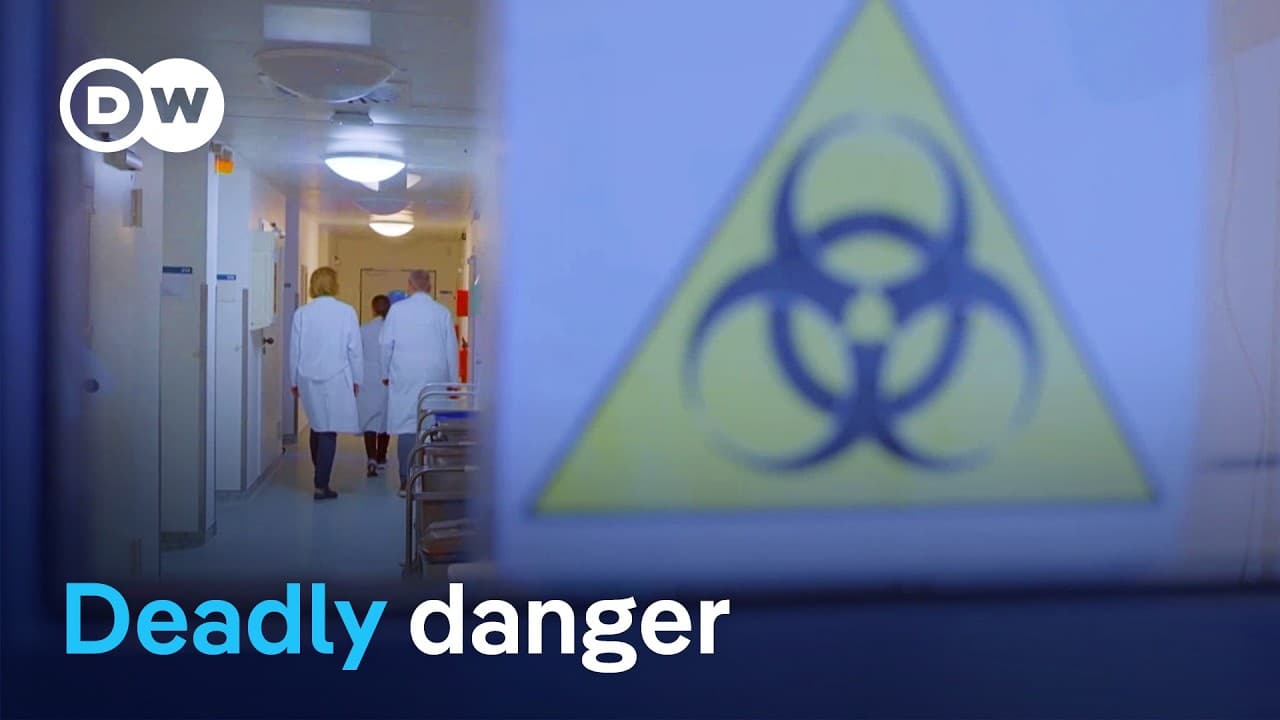
At least 2.5 million people die from fungal infections every year, and the toll is rising because invasive fungi mutate quickly and grow resistant to anti-fungal drugs. Fungi exploit weakened immune systems, but outbreaks like Cryptococcus gattii on Vancouver Island show even healthy people can fall gravely ill.
Transcript
There's a danger lurking here on the ground. It’s left its mark in the fields too. And it could even be hiding here– a threat to our lives among the innocent flowers? Flower bulbs like these are apparently dangerous. Disease-causing fungi have supposedly developed from them, and killed people. Invasive fungi can enter our bodies and, in the worst c... Read More
Key Insights
- Invasive fungi can enter the body through open wounds, inhalation into the sinuses, or the lungs, and once they reach blood vessels they clog and spread through organs, blocking blood flow so medication can no longer reach the affected area.
- At least 2.5 million people die from fungal infections every year, and the description notes fungal infections cause three times as many deaths as malaria worldwide.
- People with weakened immune systems are most at risk, including those with poorly controlled diabetes, tumors, transplants, or cortisone treatments, because a suppressed immune system leaves the door open for the fungus to spread.
- Cryptococcus gattii on Vancouver Island infected people with healthy, competent immune systems, overturning the belief that fungi only harm the immunocompromised; the source was Douglas fir trees dispersing spores into the air.
- Anti-fungal drug resistance is a growing crisis because fungi mutate quickly, mirroring what has already happened with bacteria, and standard medications can completely fail against resistant strains.
- Laboratory testing of fungal colonies against drug strips is essential, since a fungus that overgrows the standard medication signals treatment failure and lets doctors switch to a drug that still works before the patient deteriorates.
- Early detection is critical because untreated fungi become deeply embedded in tissue, extending treatment to months or years, and near the brain a sinus fungus can break through the bone into the brain at any time.
- Resistance can exist before any treatment, as researchers in the Netherlands found patients infected with mold that was already resistant despite never having received an anti-fungal drug, pointing to a source outside the hospital.
Install to Summarize YouTube Videos and Get Transcripts
Explore YouTube Video Summarizer or Get YouTube Transcript Extractor
Questions & Answers
Q: How do invasive fungi enter and spread through the human body?
Fungal spores can enter the body through open wounds directly into the bloodstream, or when inhaled they settle in the sinuses and grow into tissue, and very often they reach the lungs. If the immune system does not slow their growth, they reach the blood vessels via the fine air sacs in the lungs, bind to vessel walls, grow into organs, and clog blood vessels. Wherever blood flow is interrupted, medication can no longer reach the affected area.
Q: How many people die from fungal infections each year?
According to the documentary, at least 2.5 million people die from fungal infections every year. The description adds that fungal infections are already responsible for three times as many deaths as malaria worldwide, and experts are extremely concerned because the numbers are rising rapidly. The threat is growing significantly because the means of combating these fungi are becoming less and less effective, both in medicine and in agriculture.
Q: Who is most at risk of invasive fungal infections?
People whose immune systems are already weakened by other diseases are most affected, because a suppressed immune system essentially leaves the door open to the fungus. Those with poorly controlled diabetes, tumors, transplants, or who are receiving cortisone treatments are at great risk. Fungi always exploit immune system weaknesses to spread. However, the Vancouver Island outbreak showed that even people with competent, healthy immune systems can become infected and seriously ill.
Q: What happened during the Cryptococcus gattii outbreak on Vancouver Island?
In the early 2000s a series of puzzling illnesses broke out on Vancouver Island, first affecting dogs, cats and wild animals, then humans. Researchers led by Dr. Murray Fyfe found most infections occurred in people with competent immune systems. The fungus was traced to Douglas fir trees on the island's east coast, which dispersed spores into the air. Between 1999 and 2007, 19 people in British Columbia died and more than 200 fell ill.
Q: Why are invasive fungi becoming resistant to medications?
Fungi are masters of adaptation and mutate quickly, becoming immune to the drugs used against them, much as has already happened with bacteria. Infectious disease specialists worry the fungi could become uncontrollable. Normally resistance develops when drugs are used frequently over long periods, but researchers in the Netherlands found patients infected with resistant mold who had never received an anti-fungal, indicating resistance can arise from a source outside medical treatment.
Q: Why is early detection of fungal infections so important?
Early diagnosis and treatment are critical because if fungi are not stopped early they become deeply embedded in the tissue, and treatment can then take months or even years. Dogan Eskicirak's infection was not recognized at first and then underestimated, allowing the fungus to spread from his sinuses toward his brain. Because a fungus near the brain can break through the bone at any time, doctors risk damaging the kidneys or liver rather than the brain, which cannot recover.
Q: How do doctors test which anti-fungal drug will work?
In the hospital's microbiology lab, fungal pathogens from infected patients are cultivated in Petri dishes and tested against strips carrying anti-fungal drugs. If the small white fungal colonies keep their distance from a strip, the drug is effective; if the fungi grow on the strip, they are already resistant and the drug is no longer effective. Lab head Anna Dudakova showed a case where the standard medication was completely overgrown, meaning treatment failure, so doctors could switch to a drug that still works.
Q: What role do fungi play in nature, and why are they dangerous inside the body?
Fungi are neither animals nor plants, and there are at least 2 million different species. They break down all dead matter into its basic elements so new life can keep emerging; without them, piles of dead wood and old leaves would simply remain. This breaking down of matter is one of their most important jobs, but the same process is especially dangerous inside the human body, where the fungus grows into and destroys living tissue and organs.
Summary & Key Takeaways
-
At Cologne University Hospital, Dogan Eskicirak has spent nine months receiving infusions to stop invasive fungi growing in his head. The infection spread from his sinuses toward his brain after being unrecognized then underestimated, causing severe headaches while the strong medication strains his liver and kidneys.
-
Fungi break down all dead matter and are found wherever organic material decomposes, releasing thousands of spores into the air. Inhaled or entering through wounds, they can settle in the sinuses or lungs, and if the immune system fails to slow them, they reach blood vessels and spread throughout the body.
-
On Vancouver Island, a Cryptococcus gattii outbreak between 1999 and 2007 killed 19 people in British Columbia and sickened more than 200, many with healthy immune systems. Ken James recovered with correct medication, showing early diagnosis and treatment can effectively manage even dangerous fungal infections.
Read in Other Languages (beta)
Share This Summary 📚
Summarize YouTube Videos and Get Video Transcripts with 1-Click
Try YouTube Summary with ChatGPT & Claude or YouTube Transcript Generator
Explore More Summaries from DW Documentary 📚






Summarize YouTube Videos and Get Video Transcripts with 1-Click
Try YouTube Summary with ChatGPT & Claude or YouTube Transcript Generator