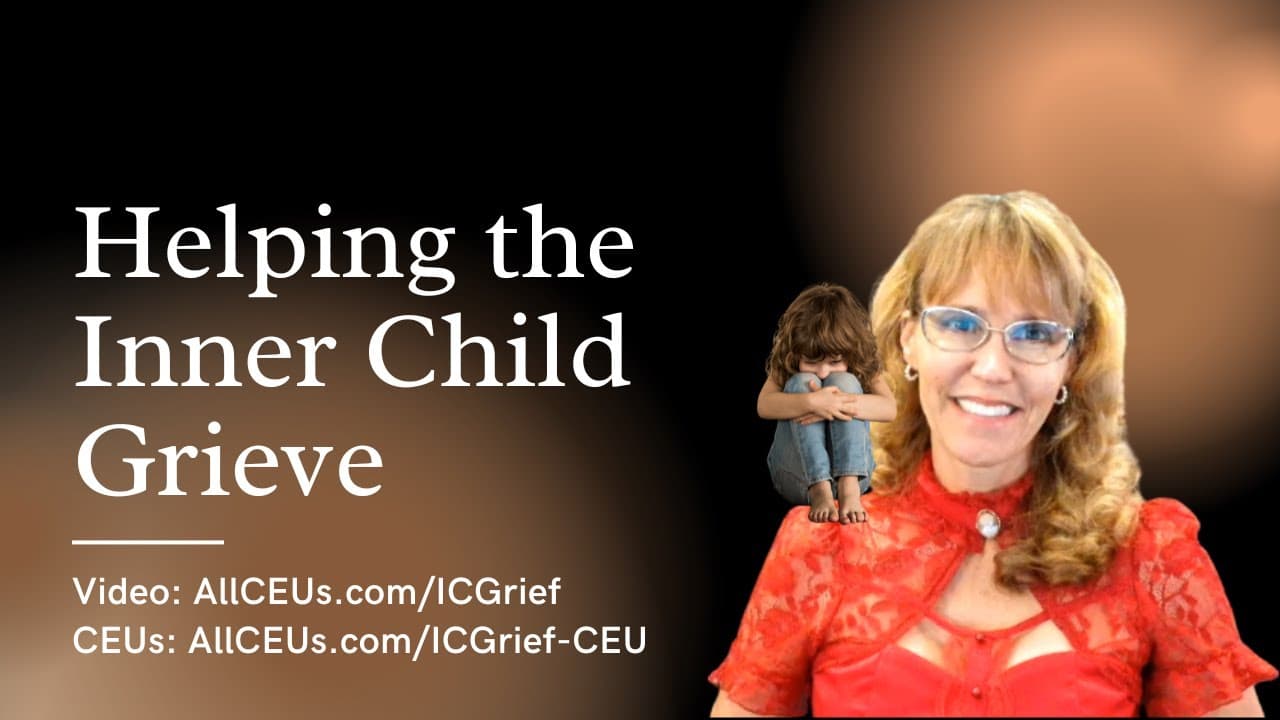
Helping the Inner Child Process Grief
TL;DR
The video discusses strategies to help the inner child process grief.
Transcript
CEUs are available at AllCEUs.com/ICGrief-CEU hello everyone and welcome to this video on helping the inner child grieve i'm your host dr donnelly snipes in this video we're going to briefly review what the inner child is for those of you who haven't seen the other videos we'll explore the needs of the inner child from a developmental perspe... Read More
Key Insights
- The inner child consists of childhood memories and experiences that shape adult perceptions and reactions.
- Childhood schemas often involve personalized, dichotomous, and concrete thinking, which can persist into adulthood.
- Inner child work involves evaluating and adjusting these schemas to ensure they are accurate in the present context.
- Secure attachments in childhood promote emotional regulation and boundary setting, while a lack of them can lead to a wounded inner child.
- The wounded inner child may have experienced trauma, loss, or invalidation, leading to feelings of unsafety and disempowerment.
- Effective strategies for helping the inner child grieve include creating a secure attachment with the self and validating emotions.
- Encouraging the inner child to trust the adult self and practice coping skills is vital for healing and empowerment.
- Identifying triggers for distress and learning to tolerate and manage emotions are key components of inner child healing.
Install to Summarize YouTube Videos and Get Transcripts
Explore YouTube Video Summarizer or Get YouTube Transcript Extractor
Questions & Answers
Q: What is the inner child?
The inner child is a part of each person that consists of memories and experiences from childhood. These memories form schemas, which are mental shortcuts that help individuals interpret and react to life in the present. The inner child can influence adult behavior and perceptions, often through schemas formed during early developmental stages.
Q: How do childhood schemas affect adulthood?
Childhood schemas often involve personalized, dichotomous, and concrete thinking. If these schemas go unchecked, they can persist into adulthood, causing individuals to interpret events in extreme ways and personalize situations unnecessarily. Inner child work aims to evaluate and adjust these schemas to ensure they are accurate and relevant in the adult's current context.
Q: What is a wounded inner child?
A wounded inner child results from a lack of secure attachments during childhood, leading to feelings of unsafety and disempowerment. This can occur due to trauma, loss, or invalidation, leaving the inner child with unresolved emotional wounds. The wounded inner child may struggle with emotional regulation and boundary setting, impacting adult relationships and self-perception.
Q: What strategies can help the inner child grieve?
Helping the inner child grieve involves creating a secure attachment with the self, validating emotions, and practicing coping skills. Encouraging the inner child to trust the adult self and identifying triggers for distress are essential. Techniques like mindfulness, guided imagery, and expressive activities such as drawing or writing can facilitate the grieving process and promote healing.
Q: Why is secure attachment important for the inner child?
Secure attachments in childhood provide a foundation for emotional regulation, boundary setting, and effective communication. They help the child feel safe and empowered, allowing them to identify and express emotions appropriately. A lack of secure attachments can lead to a wounded inner child, characterized by feelings of unsafety and disempowerment, impacting emotional well-being and relationships in adulthood.
Q: How can adults connect with their inner child?
Adults can connect with their inner child by engaging in activities they enjoyed as children, practicing mindfulness, and being consistently aware of their inner experiences. Techniques such as greeting the inner child each morning, validating their feelings, and providing reassurance can foster a secure attachment with the self. This connection helps the inner child feel safe to express emotions and process grief.
Q: What role does validation play in inner child healing?
Validation is crucial in inner child healing as it acknowledges the child's emotions and experiences, even if they seem minor from an adult perspective. Validating the inner child's feelings helps them feel heard and understood, fostering a sense of safety and empowerment. This process encourages the inner child to express emotions and work through unresolved grief, leading to healing and personal growth.
Q: How can the inner child learn to manage emotions?
The inner child can learn to manage emotions by identifying triggers for distress, practicing distress tolerance skills, and using coping strategies. Techniques like deep breathing, guided imagery, and mindfulness can help the inner child tolerate emotions without becoming overwhelmed. Encouraging the inner child to sit with emotions and gradually build resilience fosters emotional regulation and empowerment.
Summary & Key Takeaways
-
The video explores the concept of the inner child, which comprises childhood memories and schemas that influence adult behavior and perceptions. It emphasizes the importance of examining and adjusting these schemas to ensure they are relevant and accurate in the present context.
-
A lack of secure attachments in childhood can lead to a wounded inner child, characterized by feelings of unsafety, disempowerment, and difficulty in emotional regulation. The video outlines strategies to help the inner child grieve and heal from past traumas and losses.
-
Effective inner child work involves creating a secure attachment with the self, validating emotions, and practicing coping skills. It is crucial to identify triggers for distress and learn to tolerate and manage emotions to foster healing and empowerment.
Read in Other Languages (beta)
Share This Summary 📚
Summarize YouTube Videos and Get Video Transcripts with 1-Click
Try YouTube Summary with ChatGPT & Claude or YouTube Transcript Generator
Explore More Summaries from Doc Snipes 📚





Summarize YouTube Videos and Get Video Transcripts with 1-Click
Try YouTube Summary with ChatGPT & Claude or YouTube Transcript Generator