Why The Gulf States Need To Keep Building Big Dumb Mega Projects | Economics Explained
TL;DR
Gulf states invest in mega projects to diversify economies beyond oil.
Transcript
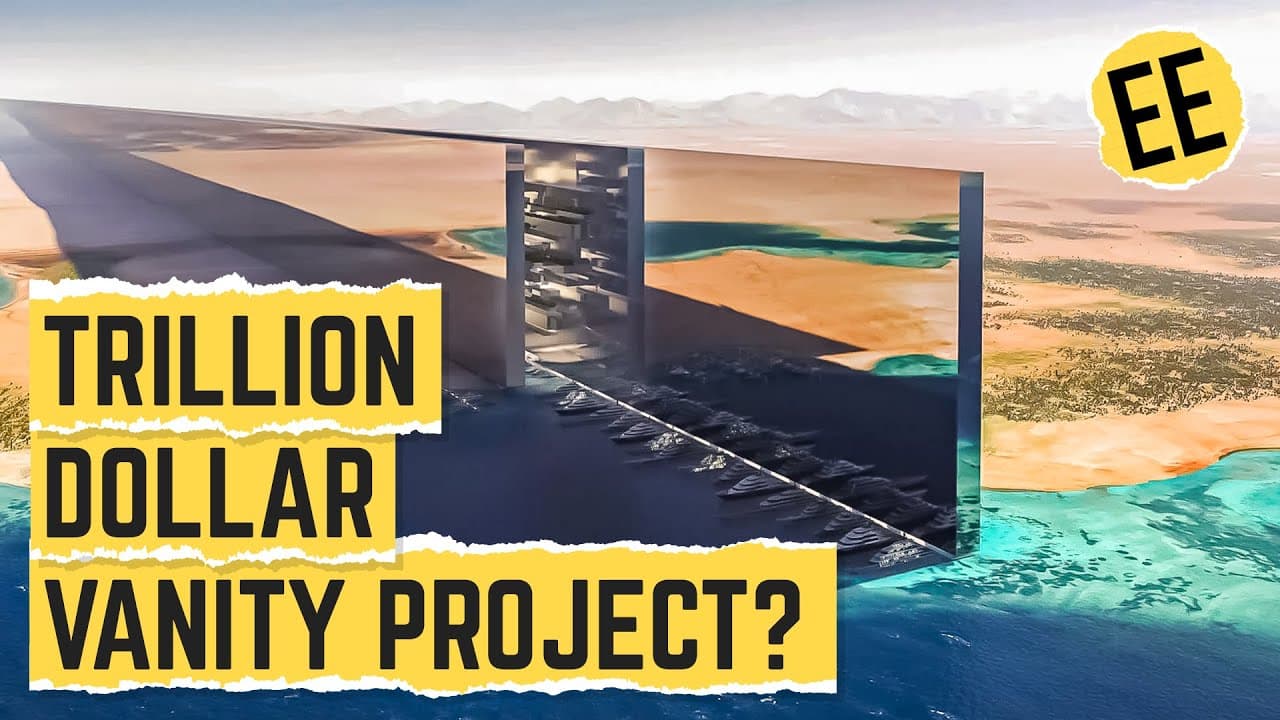
- [Narrator] Alright, it's time to add another few countries to the list of where I am not welcome. This is The Line, a 170 kilometer-long 500 meter-high city in the desert proposed by the Saudi Arabian government as part of their NEOM project, which supposedly will also include a port city and a futuristic mountain resort, in addition to a selecti... Read More
Key Insights
- The Gulf states are investing in mega projects like Saudi Arabia's NEOM to diversify their economies away from oil dependence.
- These projects aim to attract tourists and businesses, but their long-term economic viability is questioned due to high costs and potential inefficiencies.
- The concept of Dutch Disease explains how resource wealth can harm other sectors, leading to economic instability if not managed properly.
- Norway is highlighted as a successful example of using oil wealth to build a stable, diversified economy through strategic investments in education and a sovereign wealth fund.
- The Gulf states' sovereign wealth funds differ from Norway's, often lacking transparency and focusing on flashy projects rather than sustainable development.
- Tourism and business incentives are part of the strategy to replace oil revenues, but the harsh climate and regional instability pose challenges.
- Airlines like Emirates and Qatar Airways play a crucial role in the Gulf states' economic strategy, supporting tourism and business connectivity.
- The ethical treatment of labor, particularly foreign workers, remains a critical issue that could impact the reputation and success of these economic plans.
Install to Summarize YouTube Videos and Get Transcripts
Explore YouTube Video Summarizer or Get YouTube Transcript Extractor
Questions & Answers
Q: Why are the Gulf states investing in mega projects?
The Gulf states are investing in mega projects as part of a strategy to diversify their economies away from reliance on oil revenues. These projects aim to attract tourists and businesses, creating new sources of income and reducing economic vulnerability to fluctuations in oil prices. However, the effectiveness of this strategy is debated due to the high costs and potential inefficiencies of such projects.
Q: What is Dutch Disease and how does it relate to the Gulf states?
Dutch Disease is an economic phenomenon where resource wealth, such as oil, leads to a decline in other economic sectors due to currency appreciation and labor shifts. In the Gulf states, the reliance on oil has created similar challenges, prompting efforts to diversify their economies. Understanding Dutch Disease helps explain the motivations behind their investment in mega projects and the need for sustainable economic strategies.
Q: How does Norway's use of oil wealth differ from the Gulf states?
Norway has successfully used its oil wealth to build a diversified economy by investing in a sovereign wealth fund and prioritizing education and social services. This approach contrasts with the Gulf states, where sovereign wealth funds often lack transparency and focus on flashy projects. Norway's model emphasizes long-term stability and sustainable development, serving as a potential blueprint for other resource-rich countries.
Q: What role do airlines play in the Gulf states' economic strategy?
Airlines like Emirates, Qatar Airways, and Etihad are central to the Gulf states' economic strategy, supporting tourism and business connectivity. These airlines help attract international visitors and facilitate business operations by providing convenient travel options. Their success contributes to the broader goal of economic diversification, making them a key component of the region's development plans.
Q: What challenges do the Gulf states face in attracting tourists and businesses?
The Gulf states face challenges in attracting tourists and businesses due to harsh climates, limited natural attractions, and regional instability. While they offer luxury accommodations and tax incentives, these factors may not be enough to compete with more established tourist and business destinations. Additionally, ethical concerns about labor practices could impact their international reputation and attractiveness.
Q: Why is the treatment of labor a critical issue in the Gulf states?
The treatment of labor, particularly foreign workers, is a critical issue in the Gulf states due to reports of poor working conditions and limited rights. This has raised ethical concerns and could negatively affect the region's reputation, making it less appealing for international businesses. Addressing these issues is crucial for ensuring sustainable economic development and maintaining a positive global image.
Q: How do the Gulf states plan to replace oil revenues?
The Gulf states plan to replace oil revenues by diversifying their economies through mega projects, tourism, and business incentives. They aim to create new industries and attract foreign investment, reducing their reliance on oil. However, the success of these plans depends on overcoming challenges such as high project costs, climate limitations, and regional instability.
Q: What are the potential drawbacks of the Gulf states' mega projects?
Potential drawbacks of the Gulf states' mega projects include high costs, inefficiencies, and uncertain economic returns. These projects may not provide meaningful quality of life improvements or sustainable economic benefits. Additionally, they could deplete financial resources without achieving the desired diversification, leaving the region vulnerable to future economic challenges.
Summary & Key Takeaways
-
The Gulf states are investing heavily in mega projects to diversify their economies beyond oil, with projects like Saudi Arabia's NEOM leading the charge. These initiatives aim to attract tourists and businesses, but their long-term economic viability is uncertain due to potential inefficiencies and high costs.
-
The video discusses the concept of Dutch Disease, where resource wealth can negatively impact other economic sectors. It highlights Norway as a successful example of using oil wealth to build a diversified economy through strategic investments in education and a well-managed sovereign wealth fund.
-
The Gulf states' approach to economic diversification includes tourism and business incentives, but challenges such as harsh climates and regional instability remain. Airlines like Emirates and Qatar Airways are crucial to their strategy, while ethical concerns about labor treatment could affect their plans.
Read in Other Languages (beta)
Share This Summary 📚
Summarize YouTube Videos and Get Video Transcripts with 1-Click
Try YouTube Summary with ChatGPT & Claude or YouTube Transcript Generator
Explore More Summaries from Economics Explained 📚

Summarize YouTube Videos and Get Video Transcripts with 1-Click
Try YouTube Summary with ChatGPT & Claude or YouTube Transcript Generator