Are Influencer Dietitians Paid to Promote Unhealthy Foods?
TL;DR
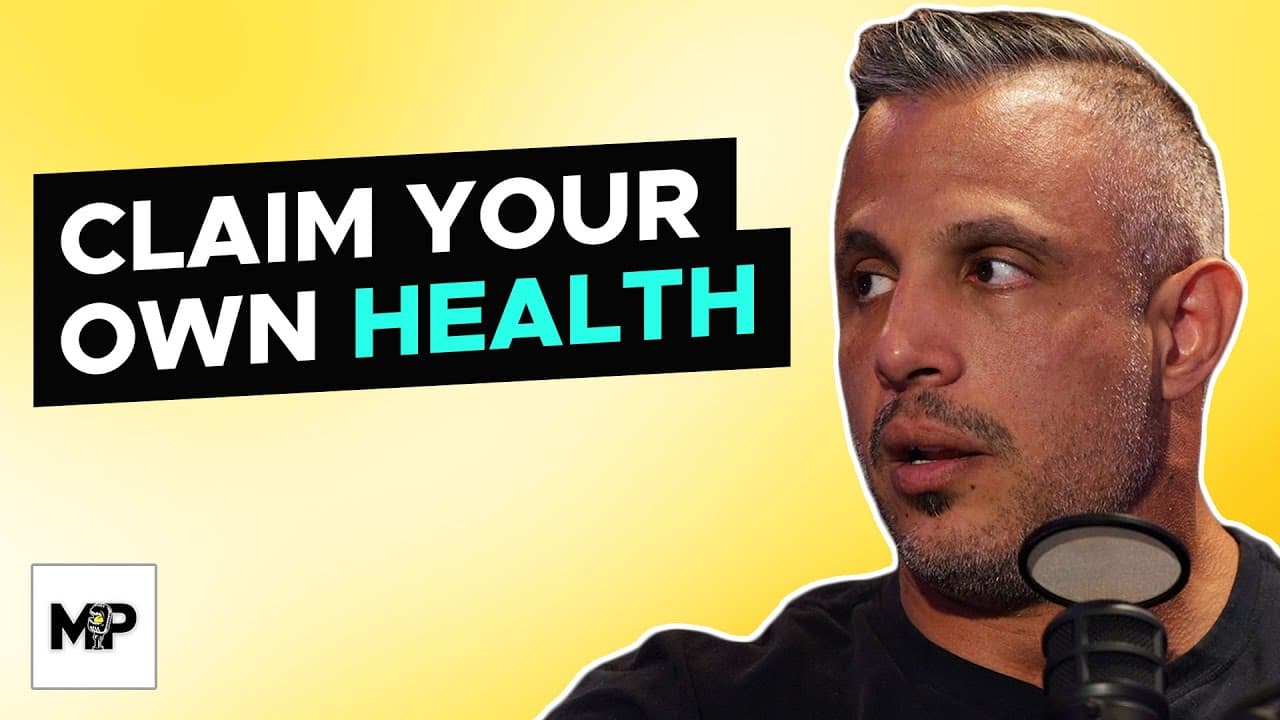
The food industry is reportedly paying influencer dietitians to promote unhealthy foods like ice cream and candy on social media without disclosing their sponsorships. This practice raises ethical concerns, as these dietitians are supposed to guide people towards healthier eating habits. The revelation has sparked debates about the integrity of health professionals and their influence on public dietary habits.
Transcript
foreign the war on health is real everybody it's not a conspiracy we just found out that the food industry has been paying dietitians to go on social media to promote things like ice cream and candy and poor food choices making the case that they're fine to eat that way it's okay as long as your calories are low it's real they don't disclose this b... Read More
Key Insights
- The food industry pays influencer dietitians to promote unhealthy foods.
- These dietitians do not disclose their sponsorships on social media.
- The World Health Organization has raised concerns about artificial sweeteners.
- Influencers have posted about the safety of aspartame, despite health risks.
- The American Beverage Association is linked to these sponsorships.
- This issue highlights the ethical dilemma faced by health professionals.
- Consumers are left questioning who to trust for dietary advice.
- The debate underscores the need for transparency in health endorsements.
Install to Summarize YouTube Videos and Get Transcripts
Explore YouTube Video Summarizer or Get YouTube Transcript Extractor
Questions & Answers
Q: How are influencer dietitians shaping public eating habits?
Influencer dietitians are reportedly being paid by the food industry to promote unhealthy foods like ice cream and candy on social media. They often do this without disclosing their sponsorships, which can mislead the public into thinking these foods are endorsed by health professionals. This practice raises ethical concerns about the integrity of dietary advice and the influence of social media on public eating habits.
Q: What concerns has the World Health Organization raised about artificial sweeteners?
The World Health Organization has raised concerns about the health risks associated with artificial sweeteners like aspartame. Despite these concerns, some influencer dietitians have been promoting these sweeteners as safe, often under the influence of sponsorships from groups like the American Beverage Association. This has led to debates about the safety and promotion of artificial sweeteners.
Q: Who is reportedly sponsoring influencer dietitians to promote certain foods?
The American Beverage Association, a trade group representing companies like Coke and Pepsi, is reportedly sponsoring influencer dietitians to promote certain foods and sweeteners. These sponsorships are often not disclosed on social media, leading to ethical concerns about the transparency and integrity of dietary advice provided by these influencers.
Q: Why is there a debate about the integrity of health professionals?
There is a debate about the integrity of health professionals because some influencer dietitians are reportedly being paid to promote unhealthy foods without disclosing their sponsorships. This practice raises ethical concerns, as it can mislead the public into thinking these foods are endorsed by trusted health experts. The lack of transparency in these endorsements is a major point of contention.
Q: How does the promotion of unhealthy foods by influencers affect consumers?
The promotion of unhealthy foods by influencers can mislead consumers into believing these foods are healthy or endorsed by health professionals. This can lead to poor dietary choices and undermine efforts to promote healthier eating habits. The lack of transparency in these endorsements further complicates the issue, leaving consumers questioning who to trust for reliable dietary advice.
Q: What role does social media play in public dietary habits?
Social media plays a significant role in shaping public dietary habits by amplifying the reach and influence of dietitians and other health professionals. When influencers promote certain foods or dietary practices, it can have a widespread impact on public perception and behavior. However, the lack of transparency in sponsored endorsements can lead to misinformation and ethical concerns about the integrity of dietary advice.
Q: What is the ethical dilemma faced by influencer dietitians?
The ethical dilemma faced by influencer dietitians is the conflict between promoting sponsored products and maintaining the integrity of their dietary advice. Accepting sponsorships from the food industry to promote unhealthy foods without disclosure can mislead the public and compromise their role as trusted health professionals. This raises questions about the balance between commercial interests and ethical responsibilities in health endorsements.
Q: Why is transparency important in health endorsements?
Transparency is crucial in health endorsements to ensure that consumers receive reliable and unbiased dietary advice. When influencers disclose sponsorships, it allows the public to make informed decisions about the credibility of the recommendations. Lack of transparency can lead to misinformation, erode trust in health professionals, and ultimately affect public health outcomes. Transparency helps maintain the integrity of health endorsements and supports informed consumer choices.
Summary & Key Takeaways
-
The food industry is reportedly paying influencer dietitians to promote unhealthy foods like ice cream and candy on social media without disclosing their sponsorships. This practice raises ethical concerns, as these dietitians are supposed to guide people towards healthier eating habits.
-
The World Health Organization has raised concerns about the health risks of artificial sweeteners like aspartame. Despite this, influencers have been promoting these sweeteners as safe, with the American Beverage Association linked to these sponsorships.
-
This issue highlights the ethical dilemma faced by health professionals and leaves consumers questioning who to trust for dietary advice. The debate underscores the need for transparency in health endorsements and the influence of social media on public dietary habits.
Read in Other Languages (beta)
Share This Summary 📚
Summarize YouTube Videos and Get Video Transcripts with 1-Click
Try YouTube Summary with ChatGPT & Claude or YouTube Transcript Generator
Explore More Summaries from Mind Pump Show 📚


Summarize YouTube Videos and Get Video Transcripts with 1-Click
Try YouTube Summary with ChatGPT & Claude or YouTube Transcript Generator