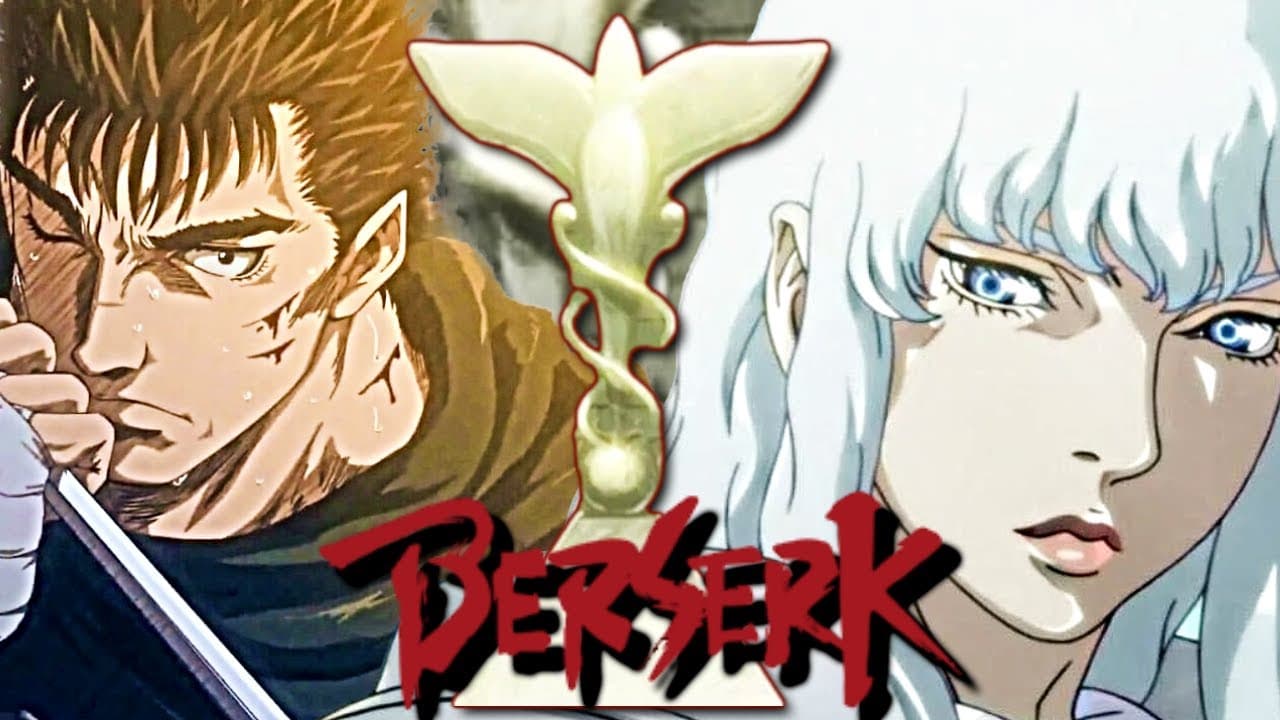
What Is the Significance of the Holy See in Berserk?
TL;DR
The Holy See in Berserk symbolizes corruption and operates as a critical force in the series, foreshadowing the dark fate tied to Griffith. It reflects the complex relationship between faith and power, obscuring essential spiritual truths while embodying the themes of prophecy and manipulation that shape the narrative.
Transcript
when you start reading berserk you can tell that religion is a major theme of the story but it only plays a peripheral role at least initially in fact demons seem to be the main focus of the story and the only reference to God was through the godhead which itself remains shrouded in mystery the proper usage of religious iconography started in the c... Read More
Key Insights
- ✊ The Holy See represents the intersection of faith and power politics, mirroring historical religious conflicts in its portrayal of corruption.
- 🛟 Prophecies surrounding the Holy See serve as both foreshadowing tools and critiques of dogmatic belief systems that limit spiritual growth.
- 🙂 The dual symbolism of the falcon illustrates the contrast between faith as a beacon of light and a harbinger of darkness.
- 🥺 The narrative suggests that neglecting spiritual wisdom can lead to destructive outcomes, thus highlighting the importance of authentic faith.
- ❓ Gaiseric’s historical context significantly influences the Holy See's creation, suggesting a cyclical nature of history and prophecy in Berserk.
- 😀 Characters interacting with the Holy See often face crises of faith, emphasizing personal growth through questioning established beliefs.
- 🤨 The relationship between magic and religion in Berserk raises critical questions about reality and the nature of divine authority.
Install to Summarize YouTube Videos and Get Transcripts
Explore YouTube Video Summarizer or Get YouTube Transcript Extractor
Questions & Answers
Q: How does the Holy See reflect real-world religious organizations?
The Holy See in Berserk mirrors many issues faced by real-world religions, including corruption, power struggles, and dogma. This portrayal showcases the institution as a microcosm of the human flaws found in faith-based organizations, highlighting how religious beliefs can become exploitative despite their original intentions.
Q: What is the significance of the "Falcon of Darkness" prophecy?
The prophecy states that the "Falcon of Darkness" will initiate an age of suffering, directly linked to Griffith's rise. This duality, where the Holy See bears the insignia of a white falcon while predicting darkness, reflects the inherent contradictions in faith and the potential consequences of dogmatic beliefs framing reality in destructive ways.
Q: How is the concept of magic intertwined with the Holy See's creation?
The establishment of the Holy See coincides with the fall of Gaiseric's empire and a systematic eradication of magical practices. The narrative suggests that elements of magic influenced its foundation, raising questions about the true nature of the spiritual authority it represents and its underlying magical connections to the world's fate.
Q: What role do Ancient Oracles play in the narrative of Berserk?
Ancient Oracles represent a deeper, often misunderstood connection to the societal and spiritual truths within Berserk. They provide prophecies that, while historically significant, may not be accurately interpreted or appreciated by institutions like the Holy See, leading to tragic misunderstandings about faith and destiny.
Q: How does Shirke's interaction with the Holy See reflect faith's limitations?
Shirke's encounter with the Holy See's principles reveals its tendency to suppress the spiritual aspects of existence, promoting a rigid worldview that ultimately fails to embrace the broader, mystical truths of the universe. This critique underscores how narrow interpretations of faith can lead to spiritual blindness and a rejection of inherent truths.
Q: In what ways does the Holy See contribute to character development in Berserk?
The Holy See's influence shapes key characters, including Farnese and Mosgus, driving them into personal conflicts with their faith and actions throughout the narrative. Their struggles illuminate Berserk’s broader themes of identity, morality, and the quest for understanding amidst the chaos of war and divine influence.
Q: How does the Holy See's depiction evolve throughout Berserk?
Initially perceived as an innocuous religious structure, the Holy See becomes integral to the unfolding narrative, shifting from a background element to a central figure that embodies the dark themes of prophecy and manipulation, reflecting the complexities of faith as both a source of strength and a means of oppression.
Summary & Key Takeaways
-
The Holy See, introduced in Berserk as a religious institution, showcases elements of corruption and struggles common to real-world religious organizations while also playing a vital role in the story's overarching themes.
-
Significant prophecies linked to the Holy See suggest a dark future involving Griffith, indicating that its creation may have been influenced by magical entities and historical events.
-
The narrative explores the tension between faith and reality, as the Holy See's dogmatic adherence has obscured crucial spiritual truths, positioning it as both a source of conflict and a potential means of resolution in the story.
Read in Other Languages (beta)
Share This Summary 📚
Summarize YouTube Videos and Get Video Transcripts with 1-Click
Try YouTube Summary with ChatGPT & Claude or YouTube Transcript Generator
Explore More Summaries from Marvelous Videos 📚




Summarize YouTube Videos and Get Video Transcripts with 1-Click
Try YouTube Summary with ChatGPT & Claude or YouTube Transcript Generator