Why Is Radiohead's 'Videotape' Rhythm So Complex?
TL;DR
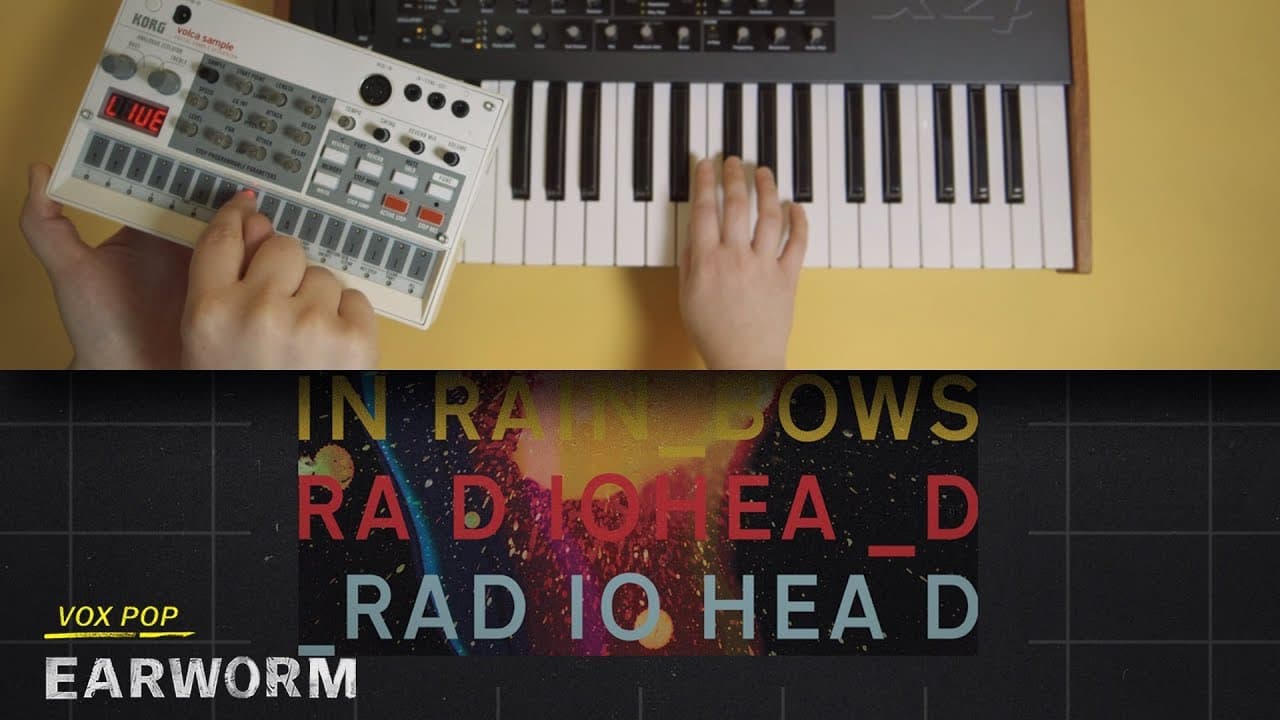
Radiohead's song 'Videotape' employs a complex syncopated rhythm that challenges even the band's musicians. The piano part is intentionally shifted an eighth note ahead, creating a rhythmic illusion that defies typical musical instincts. This syncopation, though common in many music genres, adds a deceptive complexity to the song, making it a unique listening experience.
Transcript
This story is about one of my favorite songs by one of the most beloved bands in the entire world. It begins on September 29, 2008 at a Radiohead show. Thom Yorke, Radiohead’s frontman, is at the piano, and he's about to play a song called “Videotape.” ♪ Or, at least he's trying to. "Temporary loss of information." Thom Yorke, perhaps one of the mo... Read More
Key Insights
- Radiohead's 'Videotape' uses a syncopated rhythm, creating a musical illusion.
- Thom Yorke plays the piano part shifted an eighth note ahead, causing syncopation.
- Syncopation is common in genres like afrobeat, funk, and jazz.
- The song's complexity challenges even Radiohead's drummer, Phil Selway.
- Fans debate between the energetic Bonnaroo version and the album's somber version.
- The kick drum in 'Videotape' plays with the piano, not on the downbeat, adding to the illusion.
- Syncopation serves as a rhythmic surprise, making music sound more interesting.
- Radiohead enjoys challenging themselves with complex musical structures for creative satisfaction.
Install to Summarize YouTube Videos and Get Transcripts
Explore YouTube Video Summarizer or Get YouTube Transcript Extractor
Questions & Answers
Q: How does Radiohead create a rhythmic illusion in 'Videotape'?
Radiohead creates a rhythmic illusion in 'Videotape' through the use of syncopation. Thom Yorke plays the piano part shifted an eighth note ahead, syncopating the rhythm and creating a deceptive beat. This intentional complexity challenges listeners' musical instincts, making the rhythm feel both engaging and perplexing.
Q: Why is the rhythm of 'Videotape' challenging for Radiohead?
The rhythm of 'Videotape' is challenging for Radiohead because it employs syncopation, with the piano part shifted ahead by an eighth note. This creates a complex rhythmic structure that requires the musicians to fight against their natural musical instincts and internal rhythm, making it difficult even for seasoned band members like Phil Selway.
Q: What is syncopation and how is it used in 'Videotape'?
Syncopation is a musical technique where emphasis is placed on beats or parts of beats that are typically unaccented, creating a rhythmic surprise. In 'Videotape,' syncopation is used by shifting the piano part an eighth note ahead, creating a complex and deceptive rhythm that challenges both the musicians and listeners.
Q: How do the Bonnaroo and album versions of 'Videotape' differ?
The Bonnaroo version of 'Videotape' is energetic and anthemic, while the album version is more somber and funeral-like. Despite their differences, both versions share a common musical DNA rooted in syncopation, which adds complexity and depth to the song, illustrating Radiohead's creative exploration of rhythm.
Q: Why is the kick drum's role significant in 'Videotape'?
The kick drum in 'Videotape' plays with the piano rather than on the downbeat, which is significant because it adds to the song's rhythmic illusion. This unconventional use of the kick drum helps create the syncopated rhythm, challenging the listener's perception of the beat and contributing to the song's overall complexity.
Q: What challenges do syncopated rhythms pose for musicians?
Syncopated rhythms pose challenges for musicians because they require a strong sense of internal rhythm and the ability to tune out instinctual cues that suggest a different beat. This complexity demands mental focus and precision, as musicians must resist natural inclinations to play on the downbeat, as seen in Radiohead's 'Videotape.'
Q: Why do Radiohead fans appreciate the syncopation in 'Videotape'?
Radiohead fans appreciate the syncopation in 'Videotape' because it adds a layer of rhythmic surprise and complexity that makes the song intriguing and engaging. The syncopated rhythm challenges listeners' perceptions and enhances the song's emotional depth, showcasing Radiohead's innovative approach to music composition.
Q: How does syncopation contribute to musical innovation?
Syncopation contributes to musical innovation by breaking up rhythmic monotony and introducing unexpected accents in a song. This technique creates interest and engagement, allowing musicians to explore new soundscapes and push creative boundaries, as demonstrated by Radiohead in 'Videotape,' where syncopation plays a central role in the song's unique rhythm.
Summary & Key Takeaways
-
Radiohead's 'Videotape' is a study in musical illusion, using syncopation to create a complex rhythm that defies typical musical instincts. Thom Yorke's piano part is intentionally shifted ahead by an eighth note, making the song's rhythm challenging even for the band members. This syncopation, while common in other music genres, adds a unique layer of complexity to the song.
-
The song's complexity is highlighted by contrasting its energetic Bonnaroo version with the album's more somber rendition. The kick drum, playing with the piano rather than on the downbeat, further adds to the rhythmic deception. This complexity is a deliberate creative choice by Radiohead, who enjoys challenging themselves musically.
-
Syncopation in 'Videotape' serves as a rhythmic surprise, making the song intriguing and engaging. Despite its challenges, the song remains a favorite for both the band and fans, showcasing Radiohead's commitment to pushing musical boundaries and exploring innovative soundscapes.
Read in Other Languages (beta)
Share This Summary 📚
Summarize YouTube Videos and Get Video Transcripts with 1-Click
Try YouTube Summary with ChatGPT & Claude or YouTube Transcript Generator
Explore More Summaries from Vox 📚



Summarize YouTube Videos and Get Video Transcripts with 1-Click
Try YouTube Summary with ChatGPT & Claude or YouTube Transcript Generator