Filipinas 1825: entre fiestas y panfletos
TL;DR
The content explores Philippine nationalism and festivities in the early 19th century.
Transcript
In the Philippines, continuity between the 18th and 19th centuries was favored by the likes of Luis Rodriguez Varela, born in 1768 to peninsula-born parents. For this he was called “son of the country”, “Spanish Filipino”, or “criollo”. He was called the "Conde Filipino", or the Philippine Count, a title given to him by Charles IV in 1795. He repr... Read More
Key Insights
- Luis Rodriguez Varela, known as the 'Conde Filipino,' played a significant role in the development of Philippine nationalism while maintaining loyalty to Spain.
- Rodriguez Varela's works, such as 'El Parnaso Filipino,' highlighted his dual allegiance to the Spanish crown and the Creole elite.
- The establishment of the first private printing press in 1814 marked a shift in the Philippines, allowing diverse publications and diminishing the religious orders' monopoly on printing.
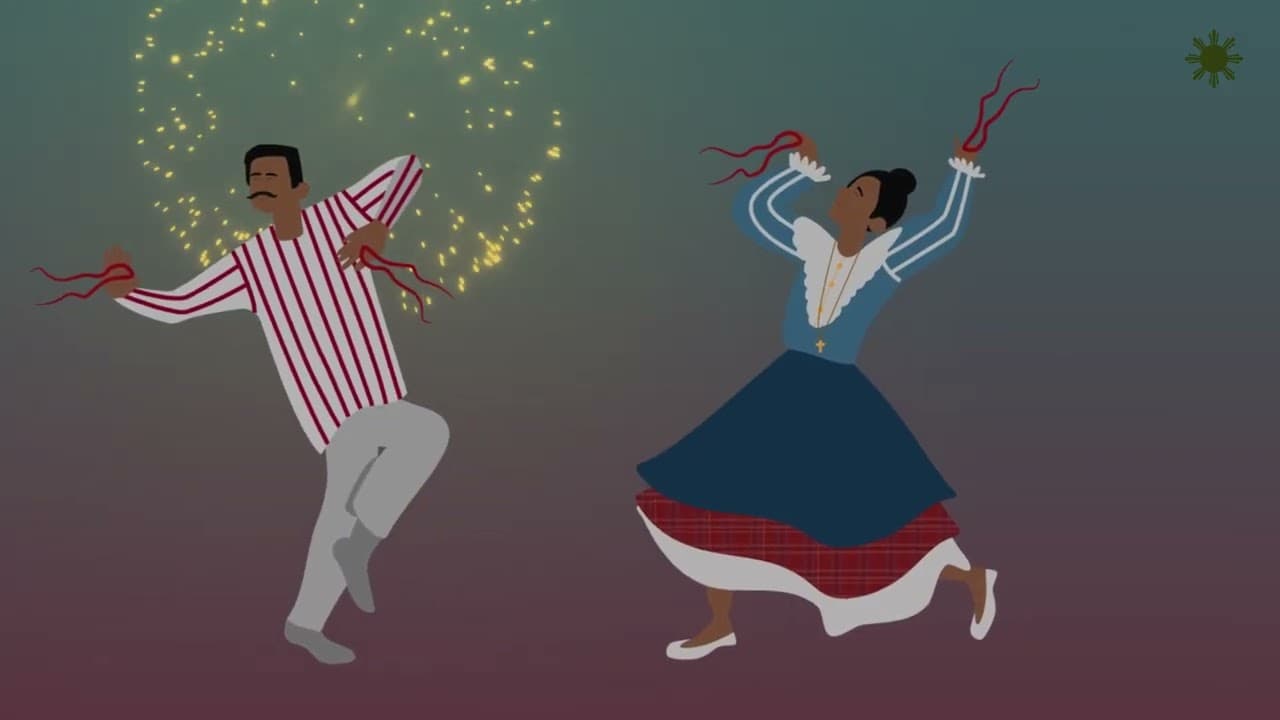
- The arrival of Ferdinand VII's portrait in 1825 was celebrated with grand festivities in Manila, showcasing the city's cultural and artistic expressions.
- These celebrations included ephemeral art forms like triumphal arches and carriages, reflecting the colonial society's allegiance to Spain.
- The fiestas were documented in various forms, including travelogues and publications, which compiled speeches, poems, and descriptions of the events.
- Rodriguez Varela was deported in 1823, but his influence persisted in the cultural and political landscape of the Philippines.
- The content underscores the complex relationship between colonial rule and emerging nationalism in the Philippines during the early 19th century.
Install to Summarize YouTube Videos and Get Transcripts
Explore YouTube Video Summarizer or Get YouTube Transcript Extractor
Questions & Answers
Q: Who was Luis Rodriguez Varela and what was his role in Philippine history?
Luis Rodriguez Varela, known as the 'Conde Filipino,' was a significant figure in Philippine history, embodying the emerging creolism of the time. Born to peninsula-born parents, he was a proponent of both Philippine nationalism and loyalty to the Spanish crown. His works, such as 'El Parnaso Filipino,' highlighted his dual allegiance and promoted the authority of the Creole elite in Manila.
Q: What was the significance of the first private printing press in the Philippines?
The establishment of the first private printing press in the Philippines in 1814 was a significant development, marking a shift in the dissemination of information and ideas. It ended the religious orders' monopoly on printing, allowing for a variety of publications, including flyers, newspapers, poems, and pamphlets. This facilitated a broader understanding of the Philippines and contributed to the spread of diverse perspectives.
Q: How did the arrival of Ferdinand VII's portrait impact Manila in 1825?
The arrival of Ferdinand VII's portrait in 1825 was a significant event in Manila, celebrated with grand festivities that showcased the city's cultural and artistic expressions. The celebrations included ephemeral art forms like triumphal arches and carriages, reflecting the colonial society's allegiance to Spain. These events were documented in reports, travelogues, and publications, highlighting the importance of such festivities in colonial Philippine society.
Q: What role did ephemeral art play in the 1825 Manila festivities?
Ephemeral art played a significant role in the 1825 Manila festivities, celebrating the arrival of Ferdinand VII's portrait. It included triumphal arches, carriages, and other temporary artistic expressions that adorned the streets, public buildings, churches, and private houses. These art forms were a testament to the city's cultural and artistic creativity and reflected the colonial society's allegiance to Spain during such celebratory events.
Q: How did Rodriguez Varela contribute to the development of Philippine nationalism?
Rodriguez Varela contributed to the development of Philippine nationalism through his writings and advocacy for the Creole elite's authority in Manila. His works, such as 'El Parnaso Filipino,' expressed his dual allegiance to the Spanish crown and the emerging Philippine identity. By promoting the Creole elite and their role in society, he laid the groundwork for a burgeoning sense of nationalism among Filipinos during the early 19th century.
Q: What was the impact of the 1812 Constitution on Rodriguez Varela's writings?
The 1812 Constitution had a notable impact on Rodriguez Varela's writings, as seen in the expanded version of 'El Parnaso Filipino' published in 1814. This version included praises for the Constitution, reflecting his support for both the Spanish monarchy and the constitutional framework. His writings during this period highlighted the complex relationship between loyalty to the crown and the advocacy for constitutional principles in the Philippines.
Q: What was the cultural significance of the 1825 Manila fiestas?
The 1825 Manila fiestas held cultural significance as they celebrated the arrival of Ferdinand VII's portrait, showcasing the city's artistic and cultural expressions. These festivities, marked by ephemeral art forms and grand celebrations, reflected the colonial society's allegiance to Spain and were documented in various forms, including reports, travelogues, and publications. They were a testament to the vibrant cultural life in colonial Manila and the importance of such events in reinforcing colonial ties.
Q: How did the 1825 Manila festivities reflect the colonial society's allegiance to Spain?
The 1825 Manila festivities reflected the colonial society's allegiance to Spain through grand celebrations marking the arrival of Ferdinand VII's portrait. The events included ephemeral art forms, such as triumphal arches and carriages, and were documented in reports, travelogues, and publications. These celebrations showcased the city's cultural and artistic expressions, reinforcing the colonial society's loyalty to the Spanish crown and highlighting the importance of such events in maintaining colonial ties.
Summary & Key Takeaways
-
Luis Rodriguez Varela, known as the 'Conde Filipino,' embodied the emerging creolism in the Philippines, advocating for both Philippine nationalism and loyalty to the Spanish crown. He published 'El Parnaso Filipino' in 1809, expressing his dual allegiance and promoting the Creole elite's authority in Manila.
-
The establishment of the first private printing press in 1814 marked a pivotal moment in the Philippines, allowing for diverse publications and diminishing the religious orders' control over printing. This development contributed to a broader understanding of the Philippines and the dissemination of various ideas and perspectives.
-
In 1825, Manila celebrated the arrival of Ferdinand VII's portrait with grand festivities, reflecting the city's cultural and artistic expressions. These events, documented in reports and publications, showcased the colonial society's allegiance to Spain and included ephemeral art forms like triumphal arches and carriages.
Read in Other Languages (beta)
Share This Summary 📚
Summarize YouTube Videos and Get Video Transcripts with 1-Click
Try YouTube Summary with ChatGPT & Claude or YouTube Transcript Generator
Explore More Summaries from universidadurjc 📚






Summarize YouTube Videos and Get Video Transcripts with 1-Click
Try YouTube Summary with ChatGPT & Claude or YouTube Transcript Generator