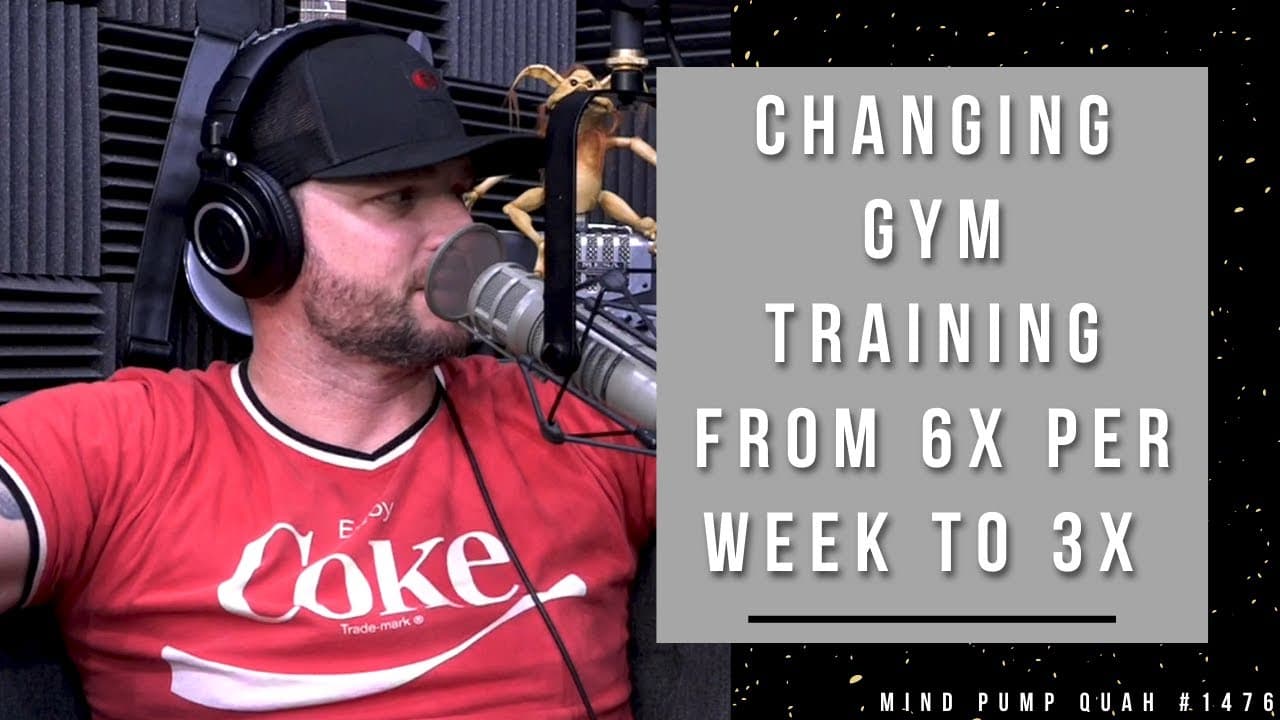
How to Transition from a Six-Day to a Three-Day Gym Routine
TL;DR
To transition from a six-day to a three-day gym routine, reduce workout intensity and engage in active recovery on off days with exercises like mobility work and isolation movements. This approach helps maintain consistency, prevent overtraining, and ensures adequate recovery, which is vital for long-term fitness success.
Transcript
first question is from mitch pappas how would you help someone who loves a train in the gym six times per week move to a three times per week routine you can okay so i'm assuming you're talking about like a full body workout or three days a week is when you lift kind of hard and heavy that doesn't mean you can't go to the gym on the other days it j... Read More
Key Insights
- Transitioning from six to three gym days doesn't mean reducing activity; it involves modifying workout intensity and focus.
- Incorporating light exercises, mobility work, and isolation movements on off days can enhance overall fitness and recovery.
- Consistent daily gym visits can help maintain routine and discipline, even if the intensity varies.
- Overtraining is a common issue; full-body workouts three times a week can be sufficient for many people.
- Even competitive athletes can benefit from reduced intensity on certain days to avoid burnout and injuries.
- The misconception that rest days mean complete inactivity should be addressed; active recovery is beneficial.
- Adapting workout routines to individual needs and preferences can lead to better adherence and results.
- Listening to your body and adjusting workout plans accordingly can prevent long-term negative effects.
Install to Summarize YouTube Videos and Get Transcripts
Explore YouTube Video Summarizer or Get YouTube Transcript Extractor
Questions & Answers
Q: How can someone transition from a six-day to a three-day gym routine?
To transition from a six-day to a three-day gym routine, it's important to modify workout intensity. Focus on full-body workouts during the three gym days, and incorporate light exercises, mobility work, or isolation movements on off days. This approach helps maintain activity levels and prevents overtraining.
Q: What are the benefits of incorporating mobility work on off days?
Incorporating mobility work on off days provides several benefits, such as enhancing flexibility, improving range of motion, and aiding in recovery. It helps maintain blood flow to muscles, reduces the risk of injuries, and prepares the body for more intense workouts during the main gym days.
Q: Why is overtraining a concern for fitness enthusiasts?
Overtraining is a concern because it can lead to fatigue, decreased performance, and increased risk of injuries. It often results from not allowing adequate recovery time between intense workouts. Incorporating rest or active recovery days helps in maintaining energy levels and ensuring long-term progress in fitness.
Q: How does consistent gym attendance benefit individuals?
Consistent gym attendance helps in establishing a routine, which can improve discipline and adherence to fitness goals. Even if the intensity varies, regular visits to the gym keep individuals engaged and motivated. This consistency is crucial for long-term success and achieving desired fitness outcomes.
Q: What is the misconception about rest days in fitness routines?
A common misconception about rest days is that they mean complete inactivity. In reality, rest days should involve active recovery, such as light exercises or mobility work, which maintain muscle engagement and promote recovery. This approach helps in sustaining fitness levels and preparing the body for future workouts.
Q: How can workout routines be adapted to individual needs?
Workout routines can be adapted by considering individual fitness levels, goals, and preferences. This involves modifying workout intensity, incorporating diverse exercises, and listening to the body's signals. Personalizing routines helps in improving adherence, preventing injuries, and achieving optimal results.
Q: What role does active recovery play in fitness?
Active recovery plays a crucial role in fitness by promoting muscle recovery, reducing soreness, and maintaining flexibility. It involves engaging in low-intensity activities that keep muscles active without causing additional strain. This approach aids in preparing the body for more intense workouts and enhances overall fitness.
Q: Why is listening to your body important in fitness?
Listening to your body is important because it helps in recognizing signs of fatigue, overtraining, or potential injuries. Adjusting workout plans based on these signals can prevent long-term negative effects and ensure a sustainable fitness journey. It promotes a balanced approach to training and recovery, leading to better results.
Summary & Key Takeaways
-
Transitioning from a six-day to a three-day gym routine involves modifying workout intensity and incorporating different types of exercises like mobility and isolation movements on off days. This approach helps in maintaining consistency and preventing overtraining, which is a common issue among fitness enthusiasts.
-
The podcast emphasizes the benefits of full-body workouts three times a week while encouraging active recovery on other days. This method not only helps in achieving fitness goals but also ensures adequate recovery and energy levels for subsequent workouts, which is crucial for long-term success.
-
Misconceptions about rest days need to be addressed, as they don't mean complete inactivity. Instead, active recovery through light exercises or mobility work is recommended. This approach helps in maintaining blood flow and muscle engagement, which are essential for recovery and overall fitness.
Read in Other Languages (beta)
Share This Summary 📚
Summarize YouTube Videos and Get Video Transcripts with 1-Click
Try YouTube Summary with ChatGPT & Claude or YouTube Transcript Generator
Explore More Summaries from Mind Pump Show 📚





Summarize YouTube Videos and Get Video Transcripts with 1-Click
Try YouTube Summary with ChatGPT & Claude or YouTube Transcript Generator