What Is Climate Justice and Why Is It Crucial?
TL;DR
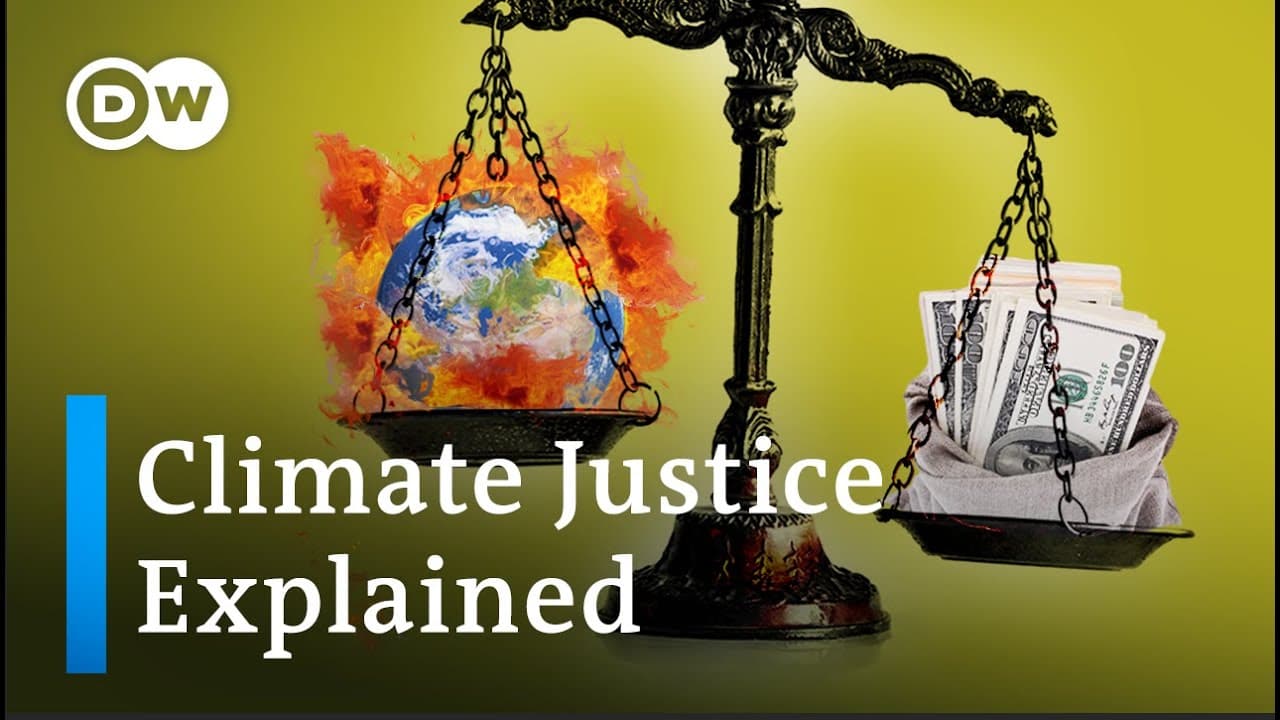
Climate justice is vital because it highlights the unequal responsibilities and impacts of climate change. Wealthy countries and individuals contribute the most to carbon emissions, while poorer nations and marginalized communities suffer the greatest consequences, such as extreme weather events and rising sea levels. Addressing these inequalities is essential for creating fair and effective solutions to the climate crisis.
Transcript
Climate justice now. Two words that we hear more and more. Climate justice is linked to racial justice, social justice and intergenerational justice, too. This is why we call not only for climate action, but climate justice. Two words that could define the century. But what exactly does climate change have to do with justice? Aren't we all in... Read More
Key Insights
- 👨⚖️ Climate justice is interconnected with racial justice, social justice, and intergenerational justice, recognizing the unequal burden of climate change on marginalized communities.
- 🤑 Carbon emissions and responsibility for climate change are highly disproportionate, with rich countries and the world's wealthiest individuals responsible for the majority of emissions.
- 🤢 Poorer countries and vulnerable communities are disproportionately affected by climate change, facing the most severe impacts such as heatwaves, droughts, storms, and rising sea levels.
- 👣 Historical emissions and unequal carbon footprints contribute to climate injustice, with developing countries often unjustly targeted while wealthy countries fail to acknowledge their responsibility.
- 💱 Climate reparations, legal action, and systemic changes are proposed as solutions to address climate justice and the unequal impacts of climate change.
- 🍂 International funding commitments for adaptation and mitigation fall short, leaving poorer countries without the necessary support to combat climate change.
- 🥹 National courts are beginning to hold polluters accountable and demand increased climate action from governments, while activists advocate for their right to climate justice.
Install to Summarize YouTube Videos and Get Transcripts
Explore YouTube Video Summarizer or Get YouTube Transcript Extractor
Questions & Answers
Q: What is climate justice, and why is it important in addressing climate change?
Climate justice recognizes the unequal responsibility and impact of climate change, addressing the historical and ongoing injustices associated with carbon emissions. It is essential in achieving a fair and equitable solution to the global climate crisis, ensuring the needs of the most vulnerable communities are prioritized.
Q: How do historical emissions contribute to climate injustice?
Historical emissions matter because they reveal which countries and individuals have contributed the most to climate change over time. Rich countries, particularly in the Global North, have emitted the majority of carbon emissions, while developing countries and marginalized communities have significantly lower carbon footprints.
Q: How does climate change disproportionately affect marginalized communities?
Vulnerable communities, such as those in developing countries and marginalized groups within wealthier nations, face the brunt of climate change impacts. Heatwaves, droughts, storms, and rising sea levels have severe consequences for these communities, leading to food scarcity, displacement, and loss of livelihoods.
Q: What are some proposed solutions for climate justice and addressing climate change?
Proposed solutions include reducing carbon emissions, transitioning to renewable energy, implementing climate reparations, holding polluters accountable through legal action, and advocating for systemic changes that address the economic and social factors contributing to climate injustice.
Key Insights:
- Climate justice is interconnected with racial justice, social justice, and intergenerational justice, recognizing the unequal burden of climate change on marginalized communities.
- Carbon emissions and responsibility for climate change are highly disproportionate, with rich countries and the world's wealthiest individuals responsible for the majority of emissions.
- Poorer countries and vulnerable communities are disproportionately affected by climate change, facing the most severe impacts such as heatwaves, droughts, storms, and rising sea levels.
- Historical emissions and unequal carbon footprints contribute to climate injustice, with developing countries often unjustly targeted while wealthy countries fail to acknowledge their responsibility.
- Climate reparations, legal action, and systemic changes are proposed as solutions to address climate justice and the unequal impacts of climate change.
- International funding commitments for adaptation and mitigation fall short, leaving poorer countries without the necessary support to combat climate change.
- National courts are beginning to hold polluters accountable and demand increased climate action from governments, while activists advocate for their right to climate justice.
- To achieve climate justice, broader changes within the economic and social systems that perpetuate climate injustice need to be addressed.
Summary & Key Takeaways
-
Climate justice encompasses the understanding that climate change is not evenly caused or experienced by all. Rich countries and the world's wealthiest individuals bear the largest responsibility for carbon emissions, while poorer countries and marginalized communities are disproportionately impacted.
-
Historical emissions and unequal carbon footprints contribute to climate injustice, as countries with a long history of carbon emissions argue over when they should cut their net emissions to zero.
-
The inequalities of climate change are further evident in the disproportionate effects on vulnerable communities, such as heatwaves, droughts, storms, and rising sea levels, which hit poorer countries the hardest.
Read in Other Languages (beta)
Share This Summary 📚
Summarize YouTube Videos and Get Video Transcripts with 1-Click
Try YouTube Summary with ChatGPT & Claude or YouTube Transcript Generator
Explore More Summaries from DW Planet A 📚


Summarize YouTube Videos and Get Video Transcripts with 1-Click
Try YouTube Summary with ChatGPT & Claude or YouTube Transcript Generator