The unpaid work that GDP ignores -- and why it really counts | Marilyn Waring
TL;DR
In this talk, Marilyn Waring discusses the limitations of GDP and the importance of recognizing unpaid work and environmental protection in economic measurements.
Transcript
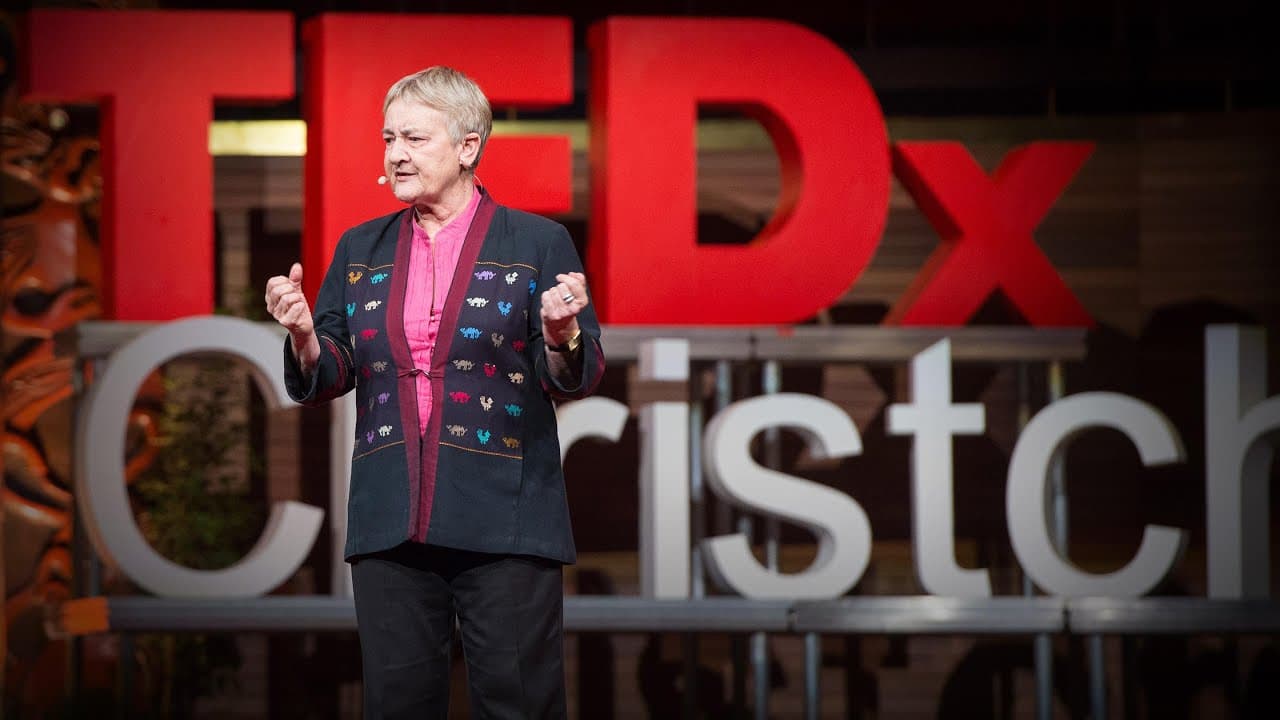
(In Maori: My mountain is Taupiri.) (Waikato is my river.) (My name is Marilyn.) (Hello.) As you've heard, when I was very young, I was elected to the New Zealand Parliament. And at that age, you learn mostly by listening to others' stories. I remember a woman who'd been injured in a farm accident, and it was coming up to shearing time on the farm,... Read More
Key Insights
- 👦 Family support and unpaid work are undervalued in the GDP, leading to inadequate compensation and recognition for caregivers and homemakers.
- 🌿 Environmental conservation and protection are not prioritized in the GDP, which prioritizes market transactions and economic growth at the expense of natural resources.
- ⛏️ Mining and other destructive activities are valued in the GDP, while the contributions of nonprimary producers and unpaid workers are deemed "of little or no value."
- 📊 The GDP is outdated and flawed, failing to capture the true value of unpaid work and disregarding the impact on the environment.
- 💼 Economic policy based solely on GDP figures overlooks the largest sector of the economy - unpaid work - and fails to address critical issues of need. ⏰ Time use should be considered as a significant indicator, as everyone has the same amount of time and it affects various aspects of life.
- 🌍 The quality of the environment should be given more importance, and lessons from indigenous cultures like the Maori can contribute to sustainable practices.
- 💰 GDP-centric thinking leads to a narrow focus on monetary exchanges, ignoring the broader implications of decisions and valuing war as a means of growth.
Install to Summarize YouTube Videos and Get Transcripts
Explore YouTube Video Summarizer or Get YouTube Transcript Extractor
Summary & Key Takeaways
-
The speaker shares personal experiences and stories about the limitations and biases of the economic measure called the gross domestic product (GDP).
-
The GDP primarily focuses on market transactions and ignores important unpaid work and activities, such as caregiving, household chores, and environmental protection.
-
The speaker advocates for a more comprehensive and inclusive measure of progress that considers non-market activities and the well-being of people and the environment.
Read in Other Languages (beta)
Share This Summary 📚
Summarize YouTube Videos and Get Video Transcripts with 1-Click
Try YouTube Summary with ChatGPT & Claude or YouTube Transcript Generator
Explore More Summaries from TED 📚



Summarize YouTube Videos and Get Video Transcripts with 1-Click
Try YouTube Summary with ChatGPT & Claude or YouTube Transcript Generator