Why the US is always hitting a "debt ceiling"
TL;DR
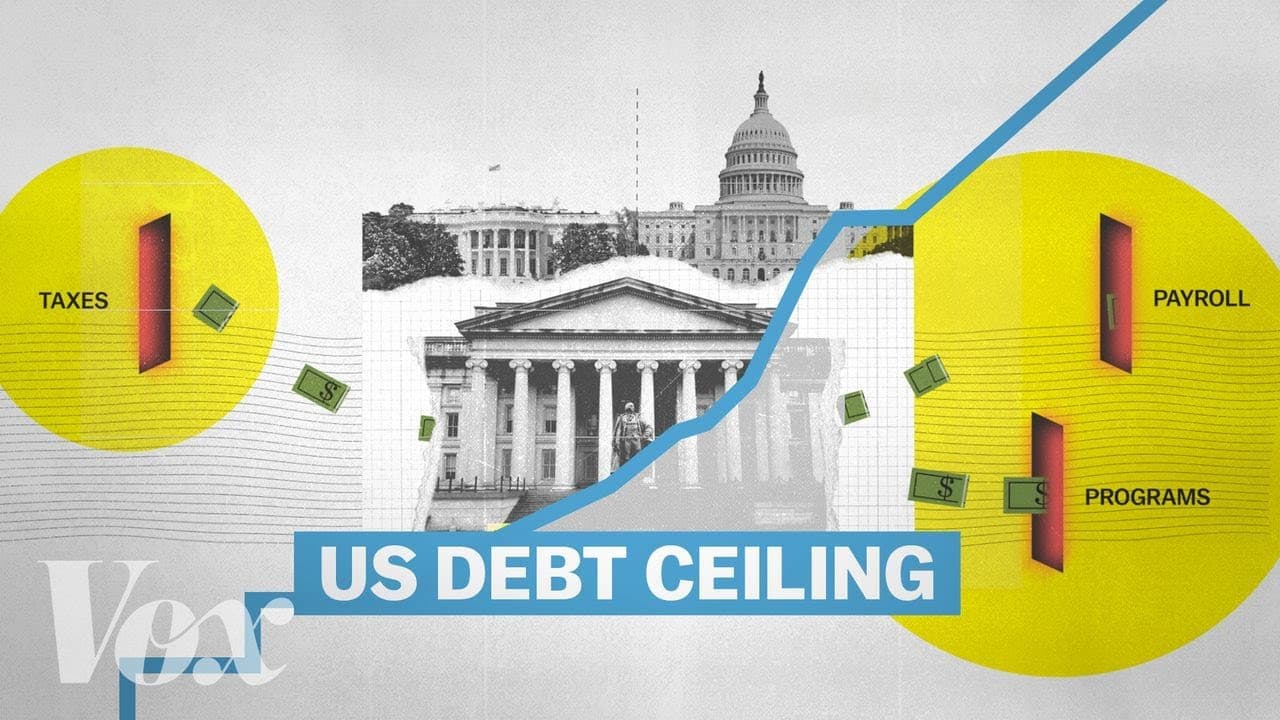
The US regularly risks economic chaos due to its debt ceiling.
Transcript
These grades aren’t for students. They’re for businesses. Based on how likely the company is to pay its debts back. A company like Microsoft has the best grade possible: AAA. Since they have a long history of paying people on time. "The Internet is about driving profitability." But a newer company like Tesla, has a BB rating. "Fundamentally chan... Read More
Key Insights
- Credit ratings for companies and countries affect interest rates; higher risk leads to higher interest rates.
- The US has a debt ceiling, which limits how much debt it can take on, leading to frequent political battles.
- The US national debt is nearing $29 trillion, highlighting the need for economic management.
- The debt ceiling has been raised multiple times since 2011 due to political risks and economic needs.
- The US Treasury manages debt by selling bonds, a process that involves both domestic and foreign investors.
- A significant portion of US debt is owned by Americans, with Japan being the largest foreign holder.
- Economic recessions and emergencies justify borrowing, but borrowing during strong economies is debatable.
- Eliminating the debt ceiling could prevent recurring economic threats, as seen in other countries.
Install to Summarize YouTube Videos and Get Transcripts
Explore YouTube Video Summarizer or Get YouTube Transcript Extractor
Questions & Answers
Q: What is a credit rating and how does it affect interest rates?
A credit rating assesses the likelihood of a company or country repaying its debts. Higher ratings, like AAA, indicate lower risk and result in lower interest rates. Conversely, lower ratings, such as BB, suggest higher risk, leading to higher interest rates to compensate investors for the increased risk.
Q: Why does the US have a debt ceiling?
The US debt ceiling is a legislative measure intended to cap the amount of national debt that can be incurred by the Treasury. It is meant to enforce fiscal discipline by requiring Congress to approve any increases, theoretically preventing unchecked government spending and borrowing.
Q: How does the US Treasury manage national debt?
The US Treasury manages national debt by issuing bonds, which are sold to investors. These bonds promise a fixed interest rate over a set period. The Treasury uses the funds raised to cover government expenses that exceed tax revenues, ensuring the government can continue operating without interruption.
Q: Who holds the majority of US national debt?
The majority of US national debt is held domestically, with American individuals, companies, and government entities owning significant portions. Foreign investors, notably Japan, also hold substantial amounts, but they account for only about a quarter of the total debt, with Japan being the largest foreign holder.
Q: What are the risks of not raising the debt ceiling?
Failing to raise the debt ceiling could lead to a default, where the US cannot meet its financial obligations. This would likely increase interest rates, reduce investment attractiveness, and potentially cause economic turmoil. The uncertainty surrounding debt ceiling debates can also undermine confidence in US financial stability.
Q: How does the debt ceiling affect political dynamics in the US?
The debt ceiling creates recurring political conflicts, as raising it requires Congressional approval. This often leads to partisan standoffs, with potential government shutdowns and economic instability as leverage. These conflicts can erode trust in the US's ability to manage its finances responsibly and consistently.
Q: Why do some experts suggest eliminating the debt ceiling?
Some experts advocate for eliminating the debt ceiling to prevent the recurring threat of economic disruption. They argue that the ceiling is redundant, as spending is already approved through the budget process. Removing it could stabilize financial markets and align the US with other countries that manage debt without such constraints.
Q: What role do interest rates play in managing national debt?
Interest rates are crucial in managing national debt, as they determine the cost of borrowing. Lower rates make it cheaper for the government to issue bonds and service debt, while higher rates increase costs. Current low rates make borrowing more sustainable, but rising rates could strain government finances and impact economic growth.
Summary & Key Takeaways
-
The video explains the concept of the US debt ceiling, a legislative limit on national debt, and its implications. It highlights the recurring political conflicts over raising the ceiling, which could lead to economic instability if not addressed.
-
The US national debt is a complex issue, with the Treasury managing it through bond sales. Domestic and foreign investors hold this debt, with Japan being the largest foreign holder. The debt ceiling's existence is debated due to its potential economic risks.
-
The US debt ceiling poses a significant risk due to political polarization, affecting the country's credit rating and investment appeal. The video suggests that eliminating the ceiling could stabilize the economy, as seen in countries like Denmark.
Read in Other Languages (beta)
Share This Summary 📚
Summarize YouTube Videos and Get Video Transcripts with 1-Click
Try YouTube Summary with ChatGPT & Claude or YouTube Transcript Generator
Explore More Summaries from Vox 📚




Summarize YouTube Videos and Get Video Transcripts with 1-Click
Try YouTube Summary with ChatGPT & Claude or YouTube Transcript Generator