What Is the Great Wealth Transfer by Ray Dalio?
TL;DR
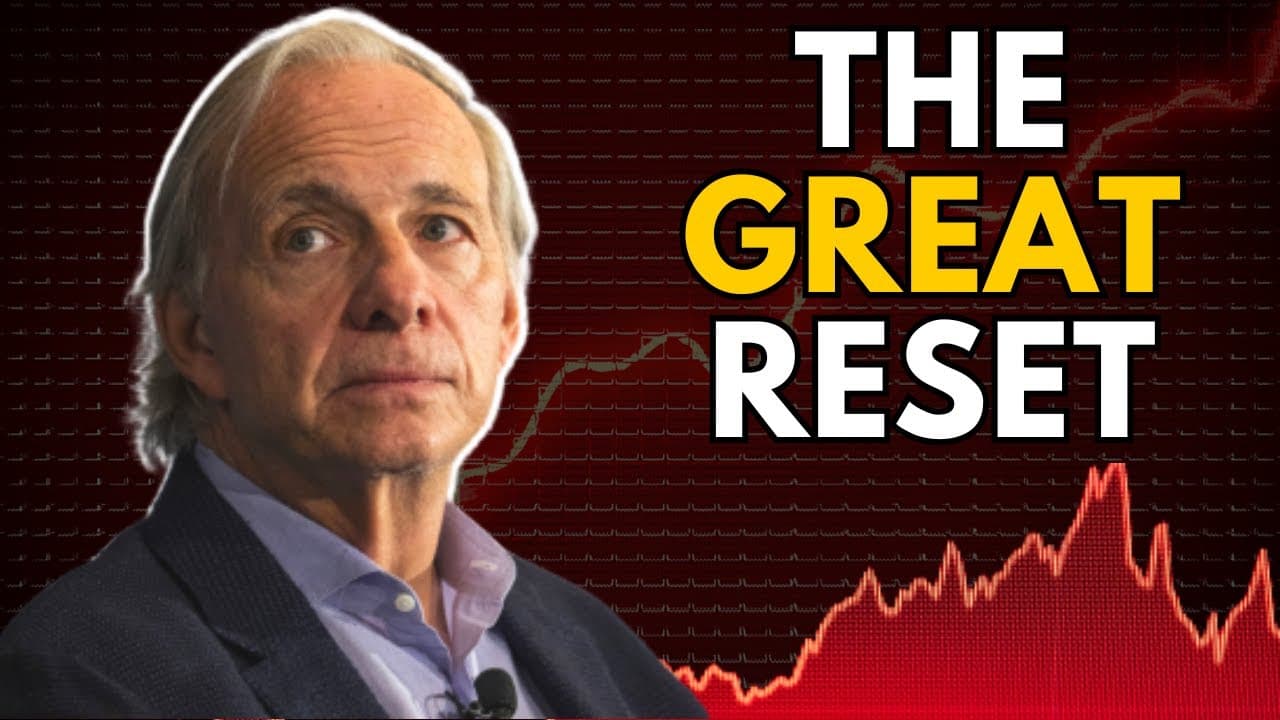
The 'great wealth transfer' refers to a historical shift where wealth moved from the public to the private sector, spurred by government interventions during the pandemic. While the private sector gained financially, this shift has left central governments with deteriorating balance sheets and rising debt, creating potential long-term economic repercussions.
Transcript
can't keep spending without and bring down inflation so here's what I think R alio is one of the greatest economic minds of all time he is the founder of Bridgewater the largest and arguably most prestigious hedge fund in the world this spot at the Pinnacle of Finance gives Doo an unparalleled view into the inner workings of the economy and the sto... Read More
Key Insights
- 🔒 The "great wealth transfer" resulted from government actions during the pandemic, favoring the private sector.
- ⚖️ Central governments experienced deteriorating balance sheets and increasing deficits, primarily due to increased debt.
- 👨💼 Governments relied on issuing trillions of dollars in debt to stimulate the economy and support households and businesses.
- 😵💫 The increase in the US government deficit and national debt poses long-term consequences and threatens a potential debt spiral.
- 🤨 Choices to increase revenue (raising taxes) or reduce expenses (cutting spending programs) are unpopular and politically challenging.
- 🤑 Governments may resort to printing money, leading to inflation and a potential risk of a debt crisis.
- 🤑 The Federal Reserve's role in buying government bonds and printing money to stimulate the economy has both benefits and potential adverse effects.
- 🎙️ More videos with Ray Dalio:
Install to Summarize YouTube Videos and Get Transcripts
Explore YouTube Video Summarizer or Get YouTube Transcript Extractor
Questions & Answers
Q: What is the "great wealth transfer" described by Ray Dalio?
The "great wealth transfer" refers to a shift in wealth from the public sector (central governments) to the private sector (households and businesses) due to government actions during the pandemic.
Q: How did the private sector benefit from the wealth transfer?
The private sector, including households and businesses, saw improvements in their balance sheets and income statements, as government actions injected money into their hands through stimulus checks, enhanced unemployment benefits, and debt payment pauses.
Q: What were the consequences for central governments' balance sheets?
Central governments faced deteriorating balance sheets and increasing deficits. Their balance sheets worsened as they took on more debt to support the economy, leading to a significant increase in the US government deficit and national debt.
Q: How did governments support the economy during the pandemic?
Governments implemented unprecedented actions, including cutting interest rates to zero, providing direct cash payments to citizens, and supporting businesses and households through various programs. These measures aimed to prevent an economic collapse but came at a significant cost.
Summary & Key Takeaways
-
Ray Dalio identifies the "great wealth transfer" as a significant shift in wealth from the public sector to the private sector, facilitated by government actions during the pandemic.
-
The private sector, consisting of households and businesses, benefited financially from this transfer, while central governments faced deteriorating balance sheets and increasing deficits.
-
To support the economy during the crisis, governments took on large amounts of debt, which has resulted in a staggering increase in the US government deficit and national debt.
Read in Other Languages (beta)
Share This Summary 📚
Summarize YouTube Videos and Get Video Transcripts with 1-Click
Try YouTube Summary with ChatGPT & Claude or YouTube Transcript Generator
Explore More Summaries from Investor Center 📚



Summarize YouTube Videos and Get Video Transcripts with 1-Click
Try YouTube Summary with ChatGPT & Claude or YouTube Transcript Generator