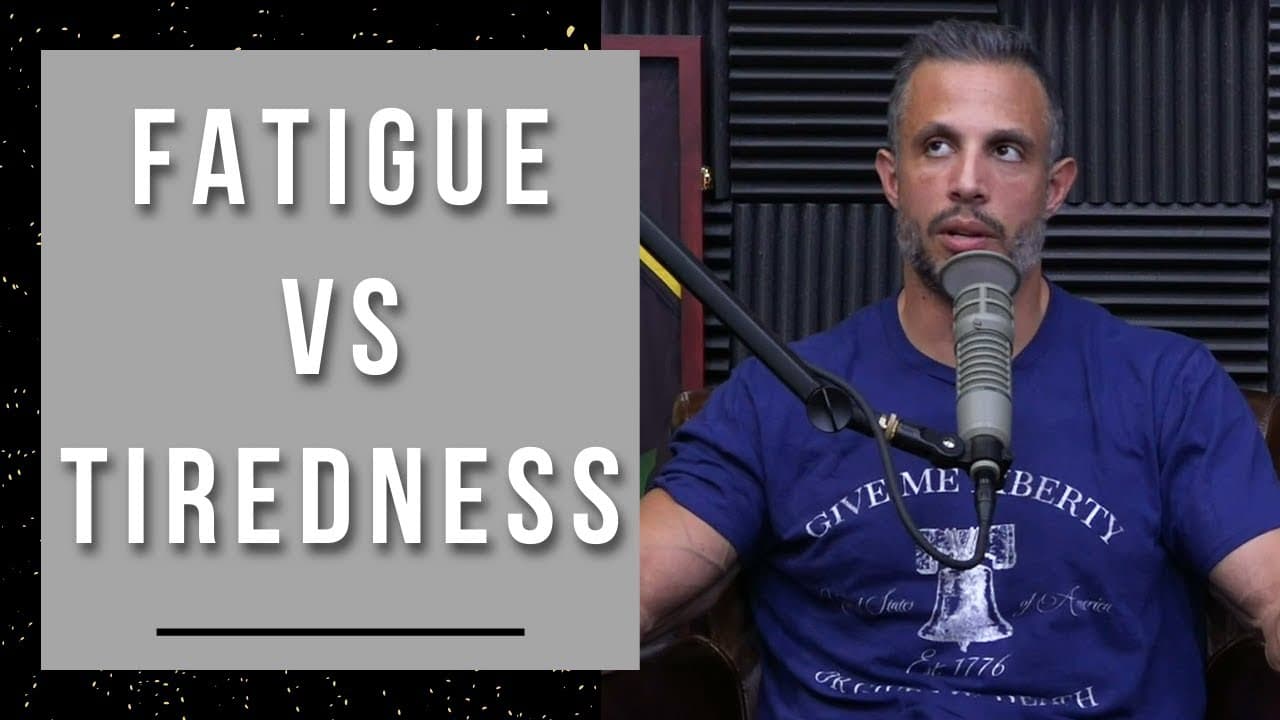
How To Know The Difference Between Fatigue & Tiredness
TL;DR
Differentiate between fatigue and tiredness for optimal workout decisions.
Transcript
next question is from stones and lead how can you tell the difference between fatigue and tiredness when should or shouldn't you try to push through it this is a good question because it's a hard one to explain but i will say this this might help rarely does rarely is the answer not movement sometimes it is but rarely is that the answer now the kin... Read More
Key Insights
- Fatigue and tiredness are distinct states; recognizing the difference can help optimize workout decisions.
- Movement is generally beneficial, but the intensity and type should be adjusted based on one's level of fatigue or tiredness.
- Occasional tiredness can be pushed through, offering benefits and potentially increasing energy during a workout.
- Consistent fatigue should prompt a review of sleep, diet, and stress levels to address underlying issues.
- For those frequently tired, the focus should be on recuperative activities rather than intense workouts.
- Highly motivated individuals may need to be advised to rest, while less motivated individuals might benefit from encouragement to push through.
- Listening to the body's signals is crucial; feeling ill or experiencing headaches indicates the need for rest.
- Personal circumstances, such as long-term fatigue from illness, require tailored approaches to exercise and rest.
Install to Summarize YouTube Videos and Get Transcripts
Explore YouTube Video Summarizer or Get YouTube Transcript Extractor
Questions & Answers
Q: How can you tell the difference between fatigue and tiredness?
Fatigue often presents as a deeper, more persistent state than tiredness, which is usually temporary. Fatigue can be accompanied by symptoms like headaches or a feeling of illness, indicating the need for rest. Tiredness might improve with light activity, suggesting it's more about motivation than physical depletion.
Q: When should you push through tiredness?
Pushing through tiredness can be beneficial when it's an occasional occurrence, as it might lead to increased energy and motivation. However, if tiredness is frequent, it may indicate underlying issues such as inadequate sleep or stress, which should be addressed to avoid burnout.
Q: What role does movement play in managing fatigue?
Movement can be beneficial in managing fatigue, but it should be tailored to the individual's condition. Light activities like walking or gentle exercises can be recuperative, helping to assess whether the fatigue is due to lack of motivation or a deeper physical issue.
Q: Why is it important to consider individual motivation levels in fitness advice?
Individual motivation levels can significantly influence how advice is received. Highly motivated individuals might need reminders to rest, while those less motivated may require encouragement to persist. Tailoring advice ensures it supports the individual's long-term fitness goals and prevents overtraining or undertraining.
Q: How can consistent fatigue affect workout routines?
Consistent fatigue can hinder workout routines by reducing energy levels and increasing the risk of injury or burnout. It often indicates lifestyle factors such as poor sleep or high stress, requiring adjustments to ensure workouts are safe and effective. Addressing these factors can enhance overall well-being.
Q: What did Dr. Andy Galpin contribute to the discussion?
Dr. Andy Galpin emphasized the benefits of occasionally pushing through tiredness, advocating for the value of challenging the body under certain conditions. His insights highlight the importance of recognizing when it's appropriate to push limits and when rest is more beneficial, contributing to a balanced approach to fitness.
Q: How does illness-related fatigue differ from regular tiredness?
Illness-related fatigue is usually more profound and persistent than regular tiredness, often accompanied by symptoms like weakness or a need for extended rest. It requires careful management, as pushing through can exacerbate symptoms and delay recovery. Listening to the body and prioritizing rest is crucial in such cases.
Q: What factors should be evaluated if fatigue is a recurring issue?
If fatigue is recurring, factors such as sleep quality, diet, stress levels, and overall lifestyle should be evaluated. These elements can contribute to persistent fatigue, and addressing them can improve energy levels and overall health. Ensuring a balanced approach to fitness and well-being is essential for long-term success.
Summary & Key Takeaways
-
The discussion focuses on distinguishing between fatigue and tiredness, emphasizing the importance of recognizing the body's signals to make informed workout decisions. Movement is generally beneficial, but the type and intensity should be adjusted based on one's condition.
-
Occasional tiredness can be beneficial to push through, potentially enhancing energy levels during a workout. However, consistent fatigue should prompt an evaluation of lifestyle factors such as sleep, diet, and stress to address underlying causes.
-
The conversation highlights the importance of personalized advice, considering individual motivation levels. Highly motivated individuals may need reminders to rest, while those less motivated might benefit from encouragement to persevere in their fitness routines.
Read in Other Languages (beta)
Share This Summary 📚
Summarize YouTube Videos and Get Video Transcripts with 1-Click
Try YouTube Summary with ChatGPT & Claude or YouTube Transcript Generator
Explore More Summaries from Mind Pump Show 📚





Summarize YouTube Videos and Get Video Transcripts with 1-Click
Try YouTube Summary with ChatGPT & Claude or YouTube Transcript Generator