How bees can keep the peace between elephants and humans | Lucy King
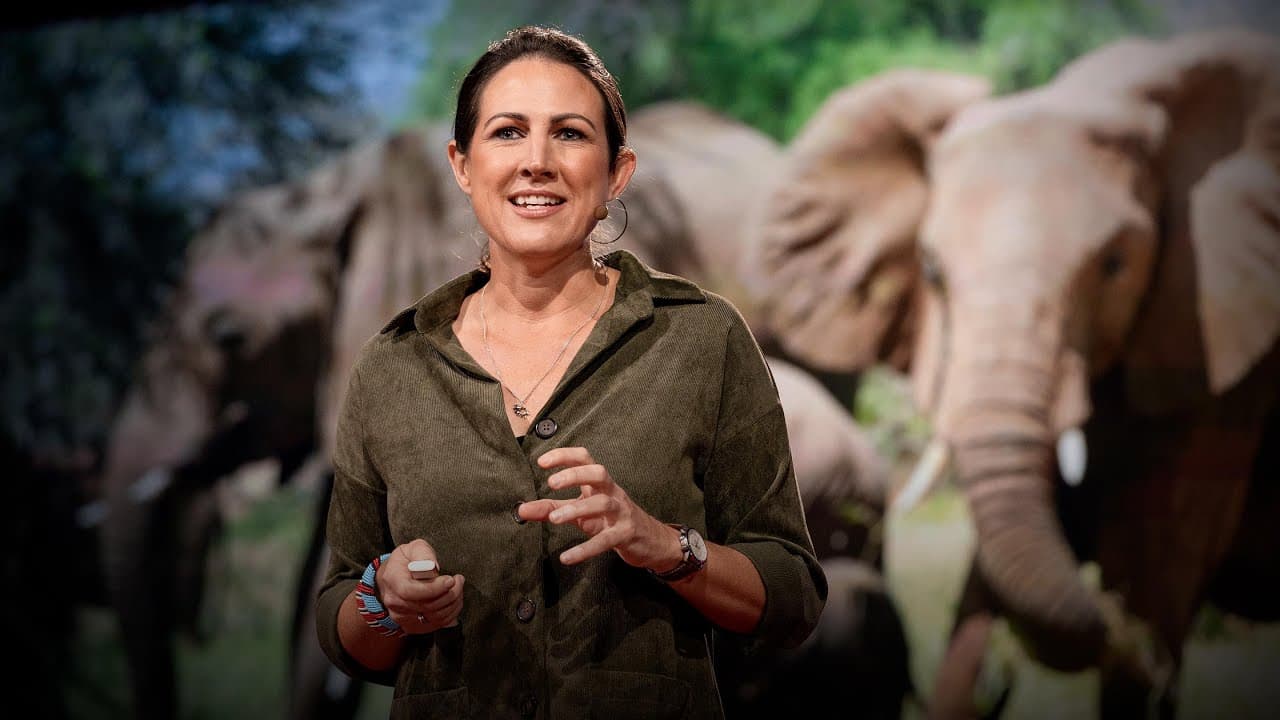
TL;DR
From her childhood fascination to her groundbreaking research, Dr. Lucy King shares her journey to finding a natural solution to human-elephant conflict.
Transcript
Ever since I can remember, African elephants have filled me with a sense of complete awe. They are the largest land mammal alive today on planet Earth, weighing up to seven tons, standing three and a half meters tall at the shoulder. They can eat up to 400 kilos of food in a day, and they disperse vital plant seeds across thousands of kilometers du... Read More
Key Insights
- 🐘 African elephants are the largest land mammal, weighing up to seven tons and standing three and a half meters tall. They have a complex society, led by matriarchs, and their communication and navigation abilities are still not fully understood.
- 🌍 Human-elephant conflict is a rising problem as the human population has quadrupled and land is being fragmented. Elephants often end up in communities, causing destruction and posing a threat to the livelihood of people.
- ⚡️ Electric fences are commonly used to keep elephants away from farms, but they can be easily breached. Alternative, more holistic methods are needed to address the issue.
- 🐝 African elephants are afraid of African honey bees due to the bees' stinging abilities. This knowledge has led to the development of beehive fences, which use the presence and sound of bees to deter elephants from entering farmland.
- 🌻 Beehive fences not only help protect crops from elephants but also provide pollination services and boost crop yields.
- 🍯 The honey produced by the bees in the beehive fences is a valuable source of income for farmers and serves as a healthy alternative to sugar.
- 🌾 Women farmers are actively involved in building and maintaining beehive fences. They are also encouraged to plant crops that elephants are less likely to eat and to engage in alternative income-generating activities like basket weaving.
- 🌏 By promoting coexistence and innovative solutions, we can move from a state of conflict with elephants to true coexistence. Empathy and thinking differently are key to addressing the challenges we face.
Install to Summarize YouTube Videos and Get Transcripts
Explore YouTube Video Summarizer or Get YouTube Transcript Extractor
Questions & Answers
Q: Why are African elephants awe-inspiring?
African elephants are awe-inspiring because they are the largest land mammal alive today, weighing up to seven tons and standing three and a half meters tall at the shoulder. They also have a lifespan of 50 to 60 years and can eat up to 400 kilos of food in a day. Additionally, they play a crucial role in dispersing vital plant seeds across vast distances.
Q: What is central to the compassionate and complex society of African elephants?
Matriarchs are central to the compassionate and complex society of African elephants. These female leaders nurture the young and navigate challenges in the African bush to find food, water, and security. The communication and dialects they use are still not fully understood, nor is their ability to navigate the landscape and remember the safest places to cross a river.
Q: How has human-elephant conflict become a rising problem?
Human-elephant conflict has become a rising problem due to the rapid increase in the human population and the fragmentation of land. As the human population quadrupled since the 1970s, the number of African elephants has drastically decreased. The competition for resources and space leads to elephants encroaching on communities, trampling and eating crops, damaging property, and putting human lives at risk.
Q: How do beehive fences help in reducing human-elephant conflict?
Beehive fences have been found to be effective in reducing human-elephant conflict. Elephants are naturally averse to the presence of bees, as bees can sting them in vulnerable areas such as their eyes, ears, mouth, and trunk. By strategically placing beehives and dummy hives, elephants are deterred from entering farmland, reducing crop raids. The bees' swarms and the elephants' fear of being stung contribute to their avoidance of these areas.
Q: What are some benefits of beehive fences?
Beehive fences have multiple benefits. Firstly, they help keep elephants at bay, reducing crop raids and damage to property. Secondly, bees from the hives pollinate the crops, leading to increased yield. Additionally, the honey produced by the bees serves as a supplementary income source for farmers, and it is a healthy alternative to sugar. This approach promotes conservation, livelihood improvement, and harmony between elephants and humans.
Q: What other methods are being explored to minimize human-elephant conflict?
In addition to beehive fences, other methods are being explored to minimize human-elephant conflict. This includes planting crops that elephants are less likely to eat, such as chillies, ginger, Moringa, and sunflowers. By providing alternative food sources, the need for elephants to raid crops is reduced. Additionally, initiatives like the women's enterprise center and basket-weaving projects aim to generate alternative income opportunities for farmers and foster coexistence with elephants.
Summary & Key Takeaways
-
African elephants are the largest land mammal alive today, weighing up to seven tons and standing three and a half meters tall at the shoulder.
-
The matriarchs, or female leaders, play a central role in their society by nurturing the young and navigating the challenges of finding food and water.
-
Human-elephant conflict is a rising problem as the human population has quadrupled and the African elephant population has decreased, leading to a loss of habitat and resources. Efforts to find a solution include building electric fences and using beehive fences to deter elephants from entering farmland.
Read in Other Languages (beta)
Share This Summary 📚
Summarize YouTube Videos and Get Video Transcripts with 1-Click
Try YouTube Summary with ChatGPT & Claude or YouTube Transcript Generator
Explore More Summaries from TED 📚






Summarize YouTube Videos and Get Video Transcripts with 1-Click
Try YouTube Summary with ChatGPT & Claude or YouTube Transcript Generator