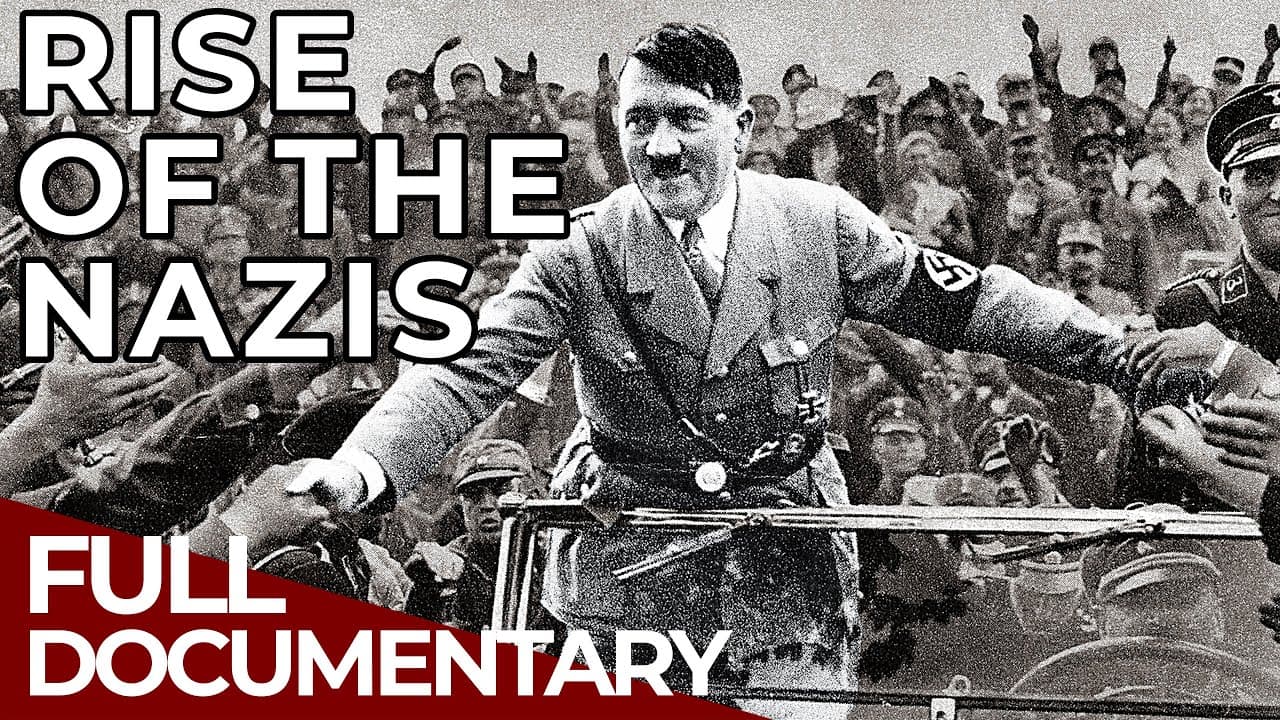
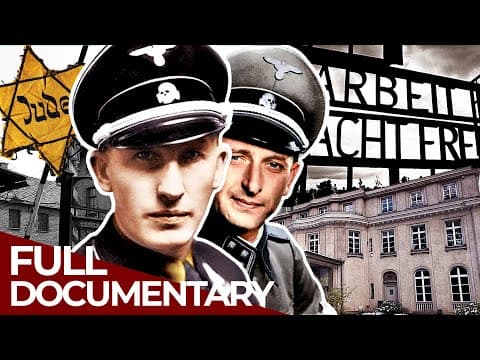
The Rise of Adolf Hitler | Germany's Fatal Attraction: Part 1 | Free Documentary History
TL;DR
Adolf Hitler's rise to power and the formation of the Nazi Party transformed a shattered Germany into a military powerhouse, fueled by Hitler's persuasive abilities and the country's desire for a strong leader.
Transcript
[Applause] the 1930s saw germany turn from a shattered nation into a military powerhouse it was to wage war on the nations which just 11 years earlier had left germany a broken country and a population bereft of pride in the wake of world war one one man created this transformation adolf hitler hitler was one of the few people in germany who welcom... Read More
Key Insights
- 🍃 Germany's defeat in World War I and the subsequent Treaty of Versailles left the country in a state of despair, creating an environment ripe for charismatic leadership.
- 🛟 Hitler's early life and experiences in Vienna shaped his worldview and fostered his anti-Semitic beliefs.
- 😥 The Munich Beer Hall Putsch and Hitler's subsequent imprisonment provided a turning point in his political career, allowing him to refine his ideology and strategy.
- 💝 The Great Depression in the late 1920s and early 1930s furthered the Nazi Party's popularity, as many Germans sought a strong leader who could restore their economic well-being.
- 😮 Hitler's ability to captivate audiences through his speeches and his loyal inner circle played critical roles in the Nazis' rise to power.
- 🎮 The Nazi Party's propaganda machine and the exploitation of popular discontent helped solidify their control over Germany.
- 🧑🏭 Germany's economic recovery and eventual military buildup were crucial factors in solidifying public support for Hitler and the Nazi Party.
Install to Summarize YouTube Videos and Get Transcripts
Explore YouTube Video Summarizer or Get YouTube Transcript Extractor
Questions & Answers
Q: How did Adolf Hitler become the most powerful man in Germany?
Hitler's charisma, persuasive abilities, and the German population's desire for a strong leader contributed to his rise to power. He capitalized on the aftermath of World War I and the country's desire for restoration and pride.
Q: Who were the key members of Hitler's inner circle?
Key members of Hitler's inner circle included Rudolf Hess, Hermann Göring, Heinrich Himmler, and Joseph Goebbels. They played important roles in the development of the Nazi Party and the execution of Hitler's vision.
Q: What role did Hitler's imprisonment play in his political career?
Hitler's imprisonment allowed him time for introspection and the opportunity to write "Mein Kampf," which outlined his ideology and goals. After his release, he resumed public speaking, using his oratory skills to ignite support for the Nazi Party.
Q: How did the Great Depression contribute to the Nazis' rise to power?
The Great Depression led to widespread unemployment and economic turmoil in Germany. The National Socialists capitalized on this discontent, gaining support from those struggling under the failing Weimar Republic and promising economic recovery.
Key Insights:
- Germany's defeat in World War I and the subsequent Treaty of Versailles left the country in a state of despair, creating an environment ripe for charismatic leadership.
- Hitler's early life and experiences in Vienna shaped his worldview and fostered his anti-Semitic beliefs.
- The Munich Beer Hall Putsch and Hitler's subsequent imprisonment provided a turning point in his political career, allowing him to refine his ideology and strategy.
- The Great Depression in the late 1920s and early 1930s furthered the Nazi Party's popularity, as many Germans sought a strong leader who could restore their economic well-being.
- Hitler's ability to captivate audiences through his speeches and his loyal inner circle played critical roles in the Nazis' rise to power.
- The Nazi Party's propaganda machine and the exploitation of popular discontent helped solidify their control over Germany.
- Germany's economic recovery and eventual military buildup were crucial factors in solidifying public support for Hitler and the Nazi Party.
- The terror and atrocities committed by the Nazis demonstrated the extreme lengths they were willing to go to maintain power.
Summary & Key Takeaways
-
In the aftermath of World War I, Germany was a broken country with a population desperate for restoration and pride. Adolf Hitler emerged as a charismatic figure who capitalized on this sentiment, ultimately becoming the most powerful man in Germany.
-
Hitler's early life and upbringing were fairly ordinary, but he harbored a deep sense of resentment against the German defeat in WWI and the subsequent Treaty of Versailles.
-
The German Workers' Party, which would later evolve into the National Socialist German Workers' Party (Nazi Party), became a platform for Hitler's radical ideas and anti-Semitic beliefs. Key members of Hitler's inner circle, including Rudolf Hess, Hermann Göring, Heinrich Himmler, and Joseph Goebbels, played crucial roles in the party's development.
-
Hitler's failed attempt to seize power in the Munich Beer Hall Putsch in 1923, followed by his imprisonment and release, set the stage for his return to politics and the eventual rise of Adolf Hitler and the Nazi Party.
Read in Other Languages (beta)
Share This Summary 📚
Summarize YouTube Videos and Get Video Transcripts with 1-Click
Try YouTube Summary with ChatGPT & Claude or YouTube Transcript Generator
Explore More Summaries from Free Documentary - History 📚


Summarize YouTube Videos and Get Video Transcripts with 1-Click
Try YouTube Summary with ChatGPT & Claude or YouTube Transcript Generator