How Britain Started the Arab-Israeli Conflict | Free Documentary History
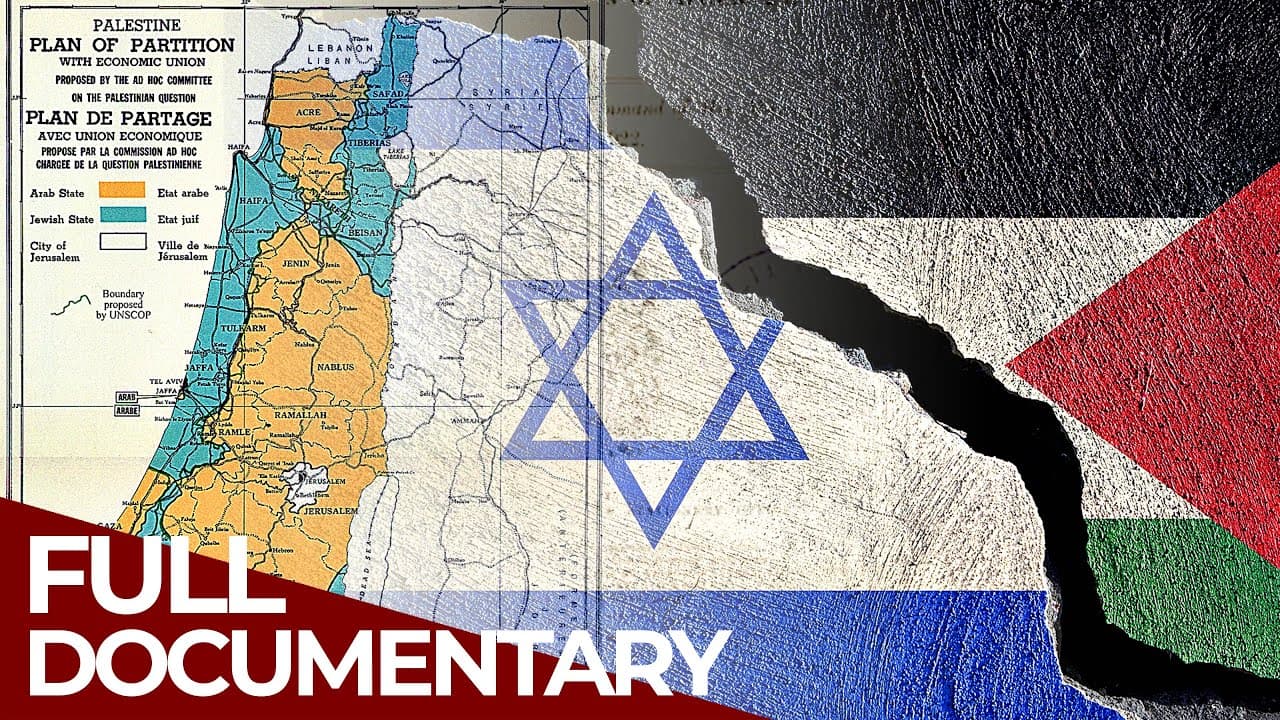
TL;DR
British manipulations during World War I led to conflicting promises to both Arab and Jewish populations, resulting in the ongoing conflict and division in the Middle East.
Transcript
the bitter struggle between Arab and Jew for control of the holy land has caused Untold suffering in the Middle East for Generations it is often claimed that the crisis originated with Jewish immigration to Palestine and the found ation of the state of Israel yet the roots of the conflict are to be found much earlier in British double dealing durin... Read More
Key Insights
- 🥺 The British made conflicting promises to both Arab and Jewish populations during World War I, leading to ongoing tensions and conflicts in the Middle East.
- 🔨 Arab nationalism and Jewish Zionism were exploited by the British as tools to advance their own imperial interests.
- 🗂️ The Sykes-Picot Agreement and the Balfour Declaration were instrumental in dividing the Middle East and shaping the region's future.
- 🥺 The British mandates imposed after the war disregarded the promises made during the conflict, leading to further resentment and division.
Install to Summarize YouTube Videos and Get Transcripts
Explore YouTube Video Summarizer or Get YouTube Transcript Extractor
Questions & Answers
Q: What were the main conflicting promises made by the British during World War I?
The British promised the Arabs support for their independence, while also pledging to establish a Jewish homeland in Palestine.
Q: Why did the British align themselves with the Arab nationalist movement?
The British saw the Arab revolt against the Ottoman Empire as a way to create a military diversion against the Central Powers and protect their interests in the region.
Q: How did the British seek to influence American involvement in the war?
The British believed that the support of influential Jewish figures in America could help convince the American government to join the war effort.
Q: How did the promises made during the war impact the post-war period?
The conflicting promises led to a lack of trust among Arab and Jewish populations, division within the region, and ongoing conflicts, such as the Arab-Israeli conflict.
Key Insights:
- The British made conflicting promises to both Arab and Jewish populations during World War I, leading to ongoing tensions and conflicts in the Middle East.
- Arab nationalism and Jewish Zionism were exploited by the British as tools to advance their own imperial interests.
- The Sykes-Picot Agreement and the Balfour Declaration were instrumental in dividing the Middle East and shaping the region's future.
- The British mandates imposed after the war disregarded the promises made during the conflict, leading to further resentment and division.
- The legacy of British double dealing during World War I continues to shape the political and social dynamics of the Middle East today.
Summary & Key Takeaways
-
During World War I, the British made secret plans with France and Russia to divide the Ottoman Empire, leading to conflicting promises of independence to both the Arabs and Jews.
-
The British exploited Arab nationalism and promised Arab leaders support for independence in exchange for their revolt against the Ottoman Empire.
-
Simultaneously, the British also made assurances to the Zionist movement, promising to establish a Jewish homeland in Palestine.
-
After the war, the British, French, and other European powers disregarded these promises and imposed their own mandates, further dividing the region and leading to ongoing conflicts.
Read in Other Languages (beta)
Share This Summary 📚
Summarize YouTube Videos and Get Video Transcripts with 1-Click
Try YouTube Summary with ChatGPT & Claude or YouTube Transcript Generator
Explore More Summaries from Free Documentary - History 📚






Summarize YouTube Videos and Get Video Transcripts with 1-Click
Try YouTube Summary with ChatGPT & Claude or YouTube Transcript Generator