What Are the Dangers of Nearby Supernovas to Earth?
TL;DR
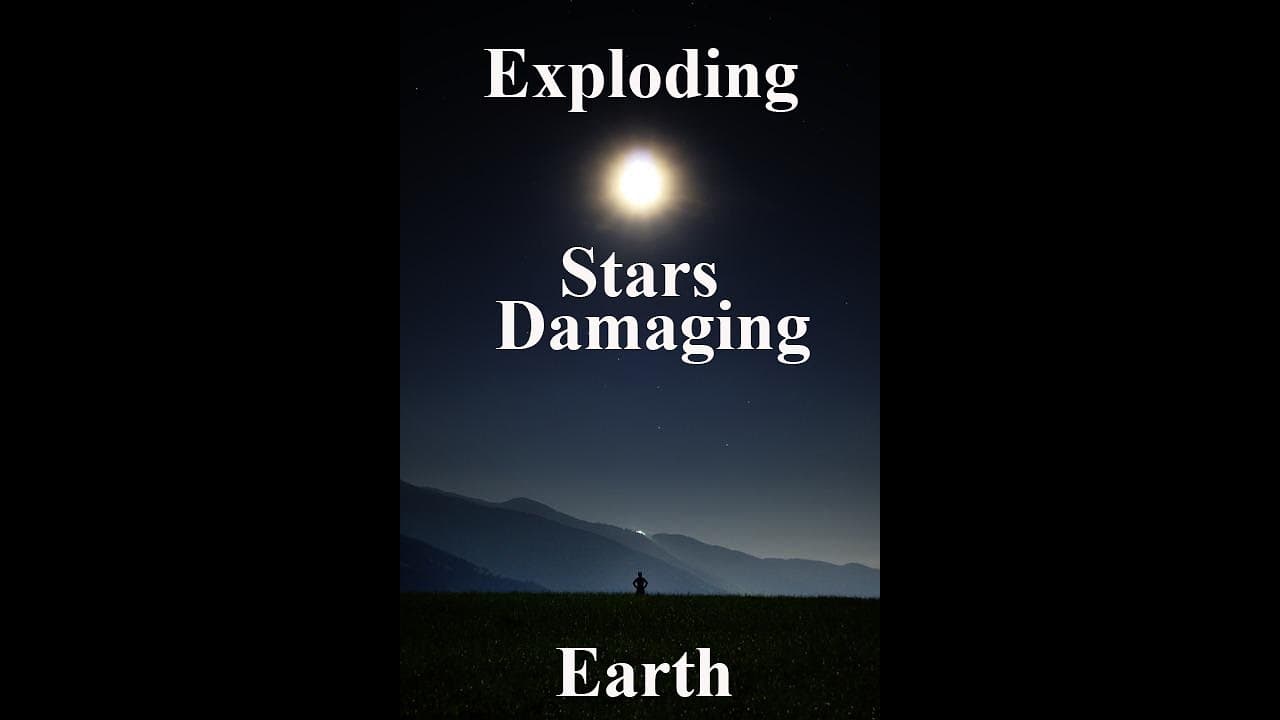
Nearby supernovas, especially Type II, pose a serious threat by potentially stripping Earth's ozone layer and disrupting oceanic ecosystems. Gamma rays emitted from a supernova within 1,000 light years could lead to increased UV radiation exposure, threatening life forms, particularly phytoplankton, the foundation of the ocean food chain. The likelihood of these events in the future indicates a need for continued monitoring of the cosmos.
Transcript
Surprisingly, for all its complexity and highly radioactive and dangerous nature, the universe itself outside earth actually has only a short list of ways to cause human extinction, as delicate as we are. Typically we think of this question in terms of the most obvious way, an asteroid impact. That’s the big danger, but there are a few other scenar... Read More
Key Insights
- 💨 The universe has a limited number of ways to cause human extinction, with asteroids and nearby supernovae being the most prominent threats.
- 😋 Nearby Type II supernovae can strip Earth's ozone layer and disrupt the oceanic food chain, posing a severe threat to life on our planet.
- 😮 Type 1a supernovae, occurring in binary systems, have the potential to take us by surprise, as we may not have a good understanding of nearby systems hosting white dwarfs in the specific conditions for a supernova.
- ❣️ Past supernovae have had significant impacts on Earth, including the population of the solar system with heavier elements and potential mass extinctions.
- 🍝 The effects of past supernovae, particularly hypernovae, are still not well understood, but there is evidence suggesting their role in ancient extinction events.
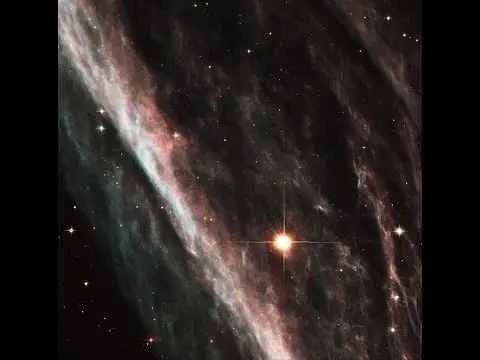
- 🪈 The study of supernova remnants, such as RX J0852.0-4622, provides insights into the possibilities and occurrence of nearby supernovae that may go unnoticed in historical records.
Install to Summarize YouTube Videos and Get Transcripts
Explore YouTube Video Summarizer or Get YouTube Transcript Extractor
Questions & Answers
Q: How close does a supernova need to be to have an impact on Earth?
A supernova would need to be within a thousand light years of Earth to have a significant effect, although even closer distances would be more dangerous. High-energy particles linked to supernovae regularly hit Earth's upper atmosphere.
Q: What would be the primary damage caused by a nearby supernova?
The primary damage would be from gamma rays, which could strip the ozone layer off Earth and expose the planet's surface to a dangerous level of ultraviolet light from the sun. This would affect life on Earth, particularly phytoplankton, which forms the base of the oceanic food chain.
Q: How often do close, highly dangerous supernovae occur?
On average, a supernova within a distance of just over 30 light years occurs once every 240 million years. However, there have been 20 close supernovae in the last 11 million years, indicating that they are not as rare as initially thought.
Q: What is the difference between Type II and Type 1a supernovae?
Type II supernovae occur in young, very massive stars that fuse their way along the periodic table until they hit iron, causing the core to go inert and collapse. On the other hand, Type 1a supernovae occur in binary star systems, where a white dwarf accretes material from another star until it reaches a critical point and explodes.
Summary & Key Takeaways
-
The universe has a limited number of ways to cause human extinction, and one of them is the possibility of a nearby supernova that can affect Earth's biosphere.
-
Close supernovae within a thousand light years have occurred in the past and are likely to happen in the future, posing a danger to Earth and its inhabitants.
-
The primary damage caused by these supernovae would be from gamma rays, which can strip the ozone layer and affect phytoplankton, the base of the oceanic food chain.
Read in Other Languages (beta)
Share This Summary 📚
Summarize YouTube Videos and Get Video Transcripts with 1-Click
Try YouTube Summary with ChatGPT & Claude or YouTube Transcript Generator
Explore More Summaries from John Michael Godier 📚


Summarize YouTube Videos and Get Video Transcripts with 1-Click
Try YouTube Summary with ChatGPT & Claude or YouTube Transcript Generator