Why Do Frank Lloyd Wright's Windows Enhance Natural Light?
TL;DR
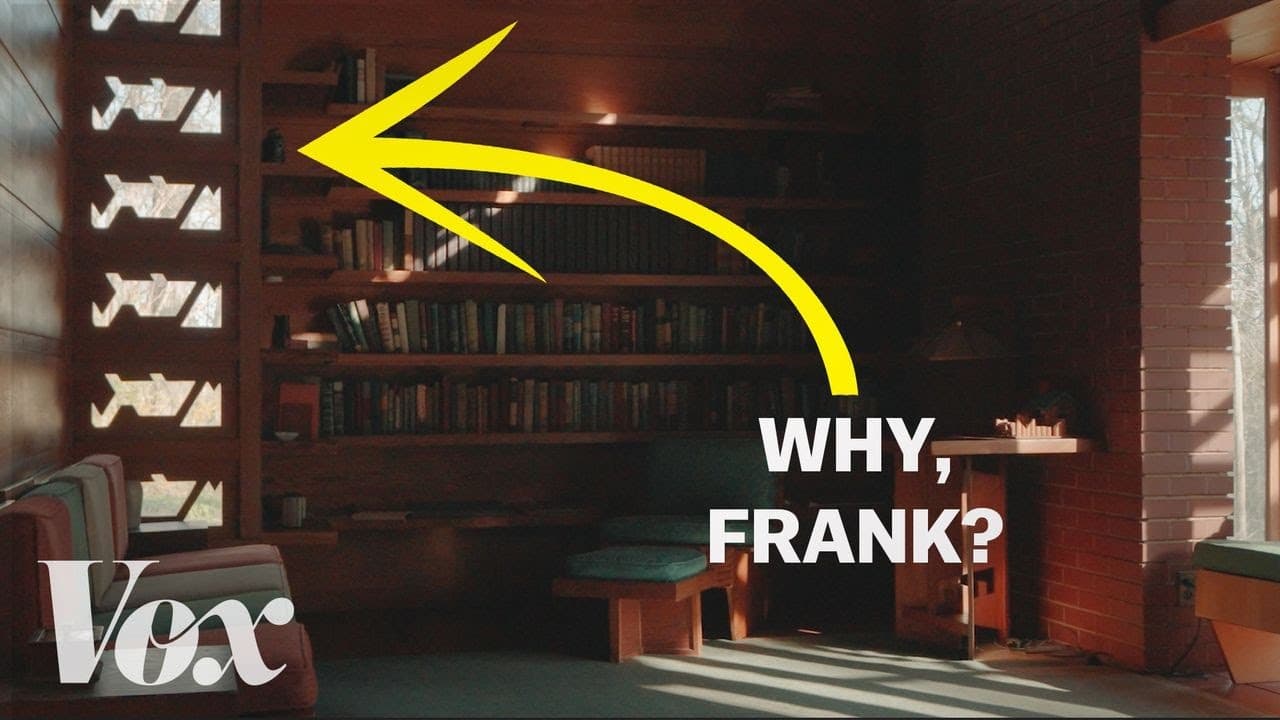
Frank Lloyd Wright's windows, especially clerestory and perforated designs, are intentionally crafted to maximize natural light while maintaining privacy. These architectural features allow light to enter from above, creating a unique interplay of illumination within spaces. Wright's overall philosophy emphasized the importance of natural light as a fundamental material in home design.
Transcript
The Pope-Leighey House is a striking example of Frank Lloyd Wright’s work. A cypress and brick masterpiece so connected to nature it includes a kitchen window made for reaching out and picking herbs. One of the highlights of this home is its unusual windows. These features are a striking sign of the way Frank Lloyd Wright rethought the relationship... Read More
Key Insights
- Frank Lloyd Wright's Pope-Leighey House is a prime example of integrating architecture with nature through innovative window designs.
- Wright's clerestory windows allow natural light to enter from ceiling height, ensuring privacy while illuminating the room effectively.
- The perforated window designs evolved from Wright's earlier stained glass work, providing unique light patterns within each home.
- John Luttropp created a detailed 3D model of the Pope-Leighey House, allowing for precise light simulation at different times of the day.
- Wright's Usonian homes, including the Pope-Leighey House, emphasized open floor plans and natural light, contrasting with the typical designs of the era.
- Wright's philosophy prioritized natural light as a building material, influencing modern open floor plan designs like those in Levittowns.
- The orientation of a house was crucial for Wright, ensuring optimal light interaction, as seen in the multiple relocations of the Pope-Leighey House.
- Wright's architectural principles extended beyond aesthetics, aiming to harmonize buildings with their natural surroundings.
Install to Summarize YouTube Videos and Get Transcripts
Explore YouTube Video Summarizer or Get YouTube Transcript Extractor
Questions & Answers
Q: What is the significance of the windows in the Pope-Leighey House?
The windows in the Pope-Leighey House are significant because they exemplify Frank Lloyd Wright's innovative approach to integrating natural light into home design. The clerestory and perforated windows allow light to enter from ceiling height, ensuring privacy while effectively illuminating the space. This design reflects Wright's broader philosophy of making natural light a central element in architecture.
Q: How did John Luttropp contribute to understanding the Pope-Leighey House?
John Luttropp contributed to understanding the Pope-Leighey House by creating a detailed 3D model that allows for precise light simulation at different times of the day. This model helps visualize how Wright's window designs interact with natural light, providing insights into the architect's intention to harmonize the home with its environment. Luttropp's work underscores the importance of light in Wright's architectural philosophy.
Q: What architectural principles did Wright emphasize in his Usonian homes?
In his Usonian homes, Wright emphasized architectural principles such as open floor plans, integration with nature, and the use of natural light as a building material. He designed homes with unique window patterns, minimalistic interiors, and innovative heating solutions to enhance the flow of light and air. Wright aimed to democratize architecture, making it more accessible and harmonious with its surroundings.
Q: How did Wright's designs differ from typical homes of his era?
Wright's designs differed from typical homes of his era by prioritizing open floor plans, large windows, and the integration of natural light. While many homes featured small, covered windows and enclosed spaces, Wright's designs emphasized transparency, connection with nature, and the use of light as a primary architectural element. His approach challenged prevailing trends and influenced modern architecture.
Q: What role did natural light play in Wright's architectural philosophy?
Natural light played a crucial role in Wright's architectural philosophy, serving as a central element in his designs. He believed that light should be as important as materials like brick and wood, and he designed homes to maximize sunlight exposure. Wright's window innovations and open floor plans aimed to harmonize buildings with their natural surroundings, enhancing the living experience.
Q: How did Wright's work influence modern architecture?
Wright's work influenced modern architecture by introducing concepts like open floor plans, large windows, and the integration of natural light. His Usonian homes inspired contemporary designs that prioritize space, light, and connection with nature. Wright's emphasis on the orientation of buildings and the use of natural materials continue to impact architectural practices today, promoting sustainable and harmonious design.
Q: What challenges did the Pope-Leighey House face regarding its location?
The Pope-Leighey House faced challenges regarding its location due to multiple relocations and reorientations to optimize sunlight exposure. Originally designed to face south, it was built facing northwest and later moved to its current location in Alexandria, Virginia. These changes highlight Wright's emphasis on the orientation of homes to maximize natural light interaction, a key aspect of his architectural philosophy.
Q: How did Wright's Usonian homes aim to democratize architecture?
Wright's Usonian homes aimed to democratize architecture by making high-quality design accessible to the average American. He focused on affordability, simplicity, and integration with nature, using materials like cypress and brick and innovative design elements like open floor plans and unique windows. Wright's vision was to create homes that were both functional and beautiful, reflecting his belief in architecture's potential to enhance everyday life.
Summary & Key Takeaways
-
Frank Lloyd Wright's Pope-Leighey House showcases his innovative use of windows to integrate natural light into home design. The clerestory and perforated windows allow light to enter from ceiling height, preserving privacy while illuminating the space. Wright's approach contrasts with traditional designs of his time, emphasizing open floor plans and natural light.
-
The Pope-Leighey House is part of Wright's Usonian homes, which aimed to democratize architecture by making it accessible and connected to nature. His use of materials like cypress and brick, combined with his unique window designs, create a harmonious relationship between the home and its environment.
-
Wright's architectural philosophy prioritized the orientation of homes to maximize natural light. This is evident in the Pope-Leighey House's relocations and reorientations to optimize sunlight exposure. His influence is seen in modern open floor plan designs, highlighting the enduring impact of his work on contemporary architecture.
Read in Other Languages (beta)
Share This Summary 📚
Summarize YouTube Videos and Get Video Transcripts with 1-Click
Try YouTube Summary with ChatGPT & Claude or YouTube Transcript Generator
Explore More Summaries from Vox 📚




Summarize YouTube Videos and Get Video Transcripts with 1-Click
Try YouTube Summary with ChatGPT & Claude or YouTube Transcript Generator